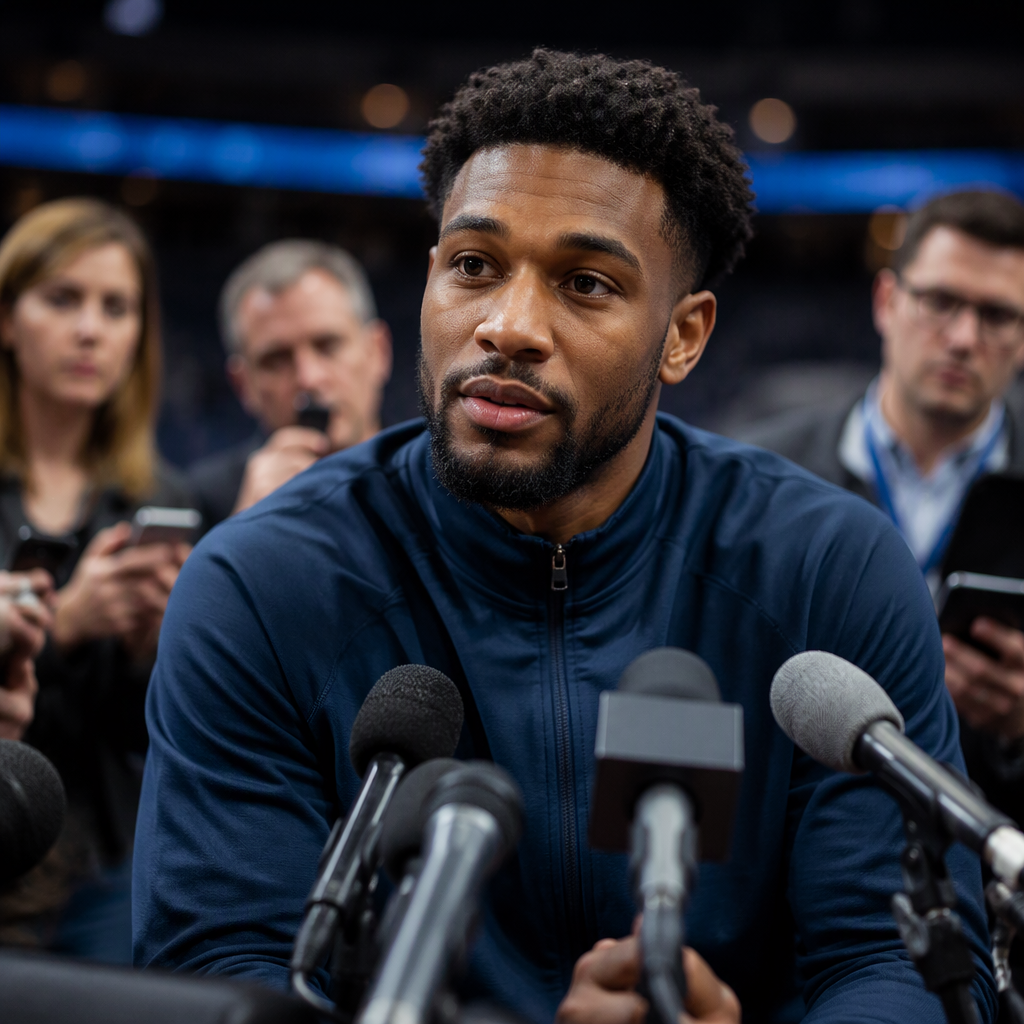

Do Athletes Have Free Speech? Understanding the Sports Stars Right to Free Speech
From silent podium protests to outspoken social media posts, elite athletes increasingly use their global platforms to champion political, social, and cultural causes. However, the question of whether the sports stars right to free speech is an absolute legal protection or a conditional privilege remains widely misunderstood by fans, sponsors, and players alike.
While public figures are protected against state censorship in democratic societies, sports stars operate within an intricate web of private employment contracts, commercial endorsements, and collective bargaining agreements. Consequently, an athlete’s freedom of expression is largely governed by contractual obligations rather than constitutional guarantees.
Also read: Britain’s New Respect Orders Spark Fierce Free Speech Backlash
The Legal Reality: Is the Sports Stars Right to Free Speech Protected by Law?
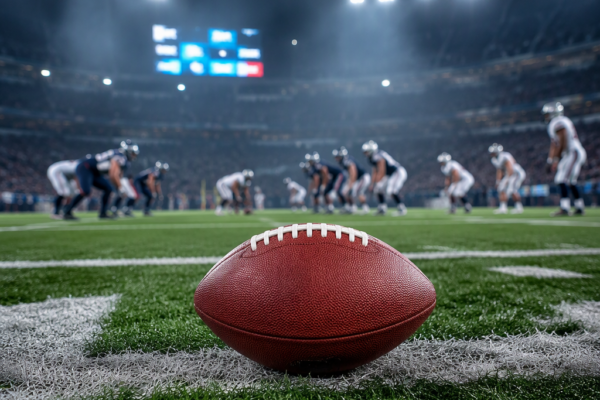
In jurisdictions like the United States, constitutional safeguards such as the First Amendment prevent government bodies from suppressing speech. Yet, this protection rarely applies inside the locker room or on the playing field. Major sports leagues—including the NFL, NBA, Premier League, and Formula 1—are private corporations, not state actors.
Because private employers possess the legal authority to set workplace rules, they can dictate professional decorum, uniform regulations, and media guidelines. When an athlete signs a multi-million-dollar deal, they frequently agree to adhere to strict codes of conduct that supersede personal expression while on duty.
As legal analysts often note, athletes retain the right to speak as private citizens without fearing arrest or state prosecution. However, that freedom does not shield them from disciplinary action, fines, suspensions, or termination by private governing bodies.
Contractual Boundaries: Morality Clauses and League Rulebooks
Behind every major athlete’s public persona lies a binding contract containing specific limitations on conduct and speech. Leagues and corporate sponsors protect their brand reputations through several key legal mechanisms:
- Morality Clauses: Standard in modern player agreements and endorsement contracts, these provisions allow teams and sponsors to sever ties immediately if an athlete engages in behavior or makes statements that bring the organization into public disrepute.
- Uniform and Field Regulations: Leagues strictly control what players wear and display during competitions. Unauthorized political slogans, badges, or personal messages on kits routinely trigger swift financial penalties.
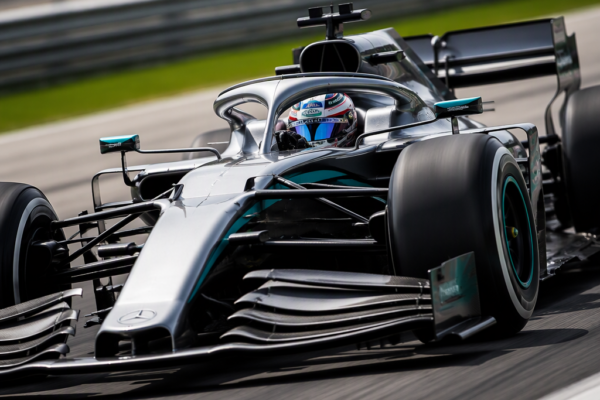
- Governing Body Charters: International organizations enforce their own strict boundaries. The International Olympic Committee (IOC) enforces Rule 50 of the Olympic Charter, which restricts demonstrations or political propaganda at Olympic venues and medal ceremonies. Similarly, the FIA mandates that drivers receive prior written approval before making political statements at Grand Prix events.
Historical Precedents and Modern Athlete Activism
The clash between athletic speech and institutional authority is not new. In 1968, American sprinters Tommie Smith and John Carlos raised black-gloved fists on the Olympic podium to protest racial injustice, resulting in their immediate expulsion from the Games by the IOC.
Decades later, former NFL quarterback Colin Kaepernick began kneeling during the U.S. national anthem in 2016 to draw attention to police brutality and systemic inequality. While legally protected from government intervention, Kaepernick faced severe public backlash and was subsequently unsigned by any NFL franchise, demonstrating the commercial and professional consequences of high-profile activism.
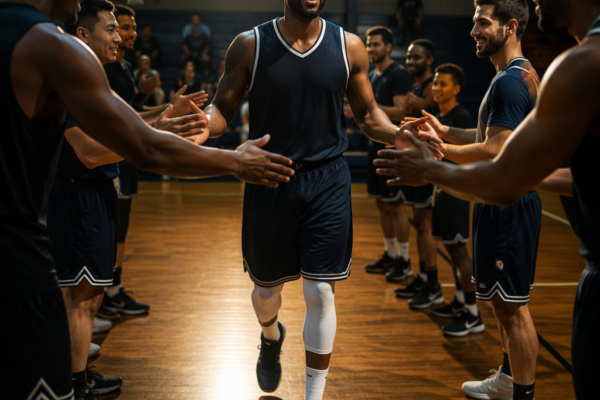
Conversely, leagues have occasionally embraced player messaging when aligned with broader corporate or social goals. The NBA permitted players to wear approved social justice slogans on jerseys during the 2020 restart in Orlando, highlighting that athlete speech is often permitted only when sanctioned and monitored by the league itself.
The Commercial Stakes: Sponsors and Global Audiences
Today, sports leagues compete in an interconnected global marketplace. A single statement by an athlete can disrupt international business partnerships, broadcast deals, and brand sponsorships within hours.
When sports organizations negotiate broadcast rights worth billions of dollars, corporate executives prioritize predictability and audience retention. Controversial political statements—whether regarding foreign policy, domestic elections, or human rights—can alienate substantial segments of an audience and provoke immediate corporate backlash.
What Happens Next
As digital platforms grant athletes direct access to millions of followers, regulatory tension between leagues and players is expected to escalate. Legal experts anticipate that future collective bargaining negotiations will increasingly focus on clarifying social media policies, NIL (Name, Image, and Likeness) rights, and protected expression.
Furthermore, player associations are pushing for clearer, objective standards to prevent arbitrary penalties by league commissioners. As long as athletes hold influential cultural platforms, the debate over how far personal expression can extend onto the field will remain a defining legal battleground.
Conclusion
Ultimately, the sports stars right to free speech is legally limited in professional competition. While athletes enjoy the fundamental freedom from state censorship, their professional platforms remain tightly governed by private employment law, corporate sponsorship agreements, and league charters. Athletes can speak out, but under current legal structures, they must be prepared to accept the contractual and financial consequences of doing so.