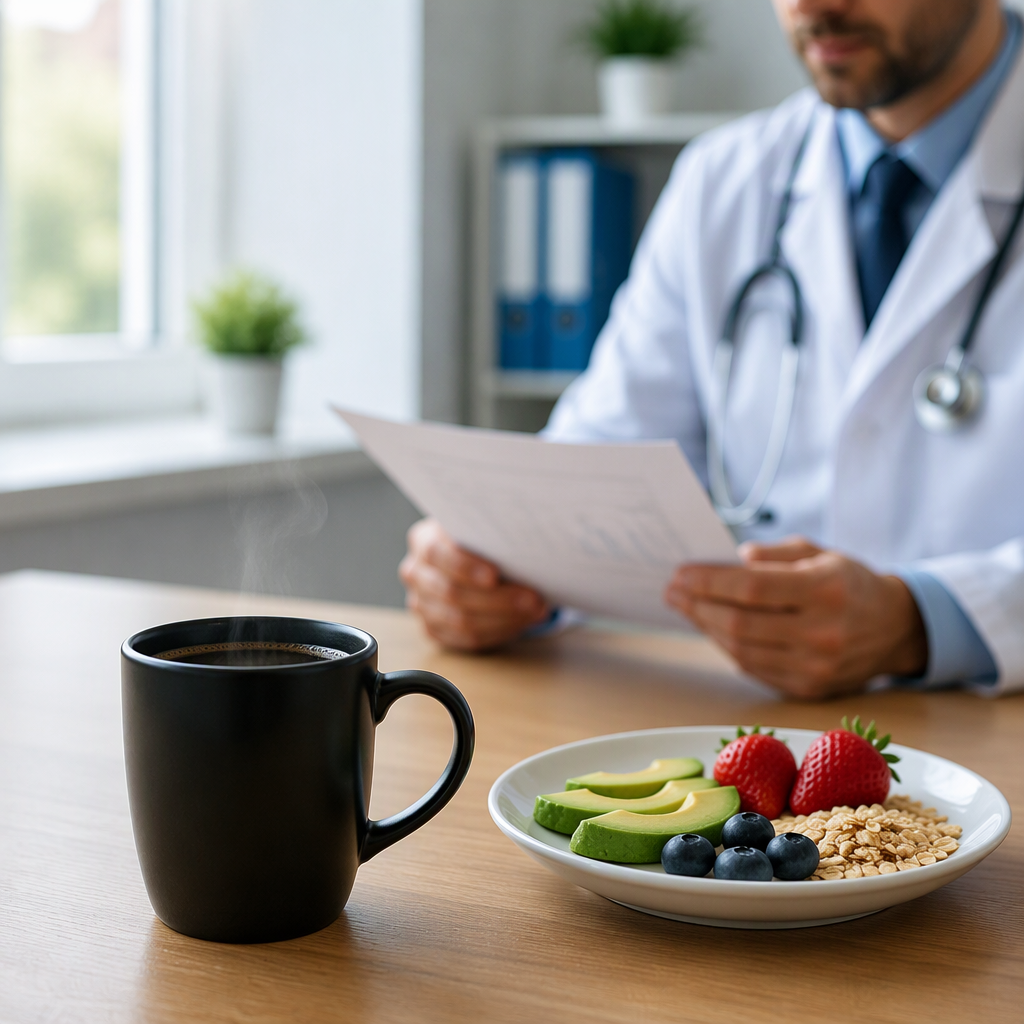

Drinking Coffee on an Empty Stomach: Doctors Settle the Health Risk Debate
Millions of people worldwide start their morning with a freshly brewed cup of coffee before eating breakfast, prompting widespread concerns over digestive health. For years, wellness forums and social media posts have claimed that this common habit destroys the gut lining, causes stomach ulcers, and triggers dangerous hormonal imbalances. Now, gastroenterologists and medical researchers have weighed in to settle the debate over whether drinking coffee on an empty stomach presents genuine health risks.
According to leading medical experts, the practice is far less dangerous than popular myths suggest. For the vast majority of healthy adults, a morning cup of black coffee before breakfast causes no physical damage to the digestive tract.
Also read: Why Democratic Doctors Are Running in the 2026 Midterms: Healthcare at the Ballot
Does Drinking Coffee on an Empty Stomach Damage the Digestive Tract?
The primary concern associated with drinking coffee on an empty stomach involves gastric acid production. Both caffeinated and decaffeinated coffee stimulate gastrin, a hormone that signals the stomach to produce hydrochloric acid. Because gastric acid is highly acidic, popular belief suggests that without food to absorb it, the acid attacks the stomach lining.
Gastroenterologists point out that the human stomach possesses robust biological defenses. The organ naturally coats itself with a dense layer of protective mucus that shields underlying tissue from strong acid concentrations, including the gastric juice produced during digestion.
Clinical studies show no direct evidence that coffee causes micro-tears, gastritis, or long-term structural harm to an otherwise healthy stomach lining, regardless of whether a person has eaten food beforehand.
What Science Says About Stomach Acid and Ulcers
Medical professionals frequently address the persistent rumor that coffee causes peptic ulcers. Decades of gastroenterological research have established that coffee does not create ulcers.
Peptic ulcers develop primarily from two documented medical causes: infection by Helicobacter pylori (H. pylori) bacteria or the chronic use of nonsteroidal anti-inflammatory drugs (NSAIDs) such as ibuprofen and naproxen. While coffee can aggravate discomfort in individuals who already have an active ulcer, it does not induce the condition on its own.
However, acid reflux remains a genuine issue for certain individuals. Coffee relaxes the lower esophageal sphincter, the muscular ring connecting the esophagus to the stomach. When this valve loosens, gastric acid can travel upward, triggering heartburn, indigestion, or acid regurgitation. Drinking coffee without food may accelerate these specific symptoms in people prone to gastroesophageal reflux disease (GERD).
The Cortisol Question: Does Morning Caffeine Spike Stress?
Beyond digestion, critics often claim that coffee consumed upon waking spikes cortisol levels uncontrollably. Cortisol, commonly known as the stress hormone, naturally surges in the morning through a biological process called the cortisol awakening response (CAR) to help the body wake up.
Caffeine does stimulate a modest release of cortisol. However, endocrinologists explain that regular coffee drinkers develop a tolerance to caffeine’s hormonal effects. In habitual consumers, the cortisol increase from an early morning cup is minimal and temporary. Medical research has found no evidence that this brief rise causes chronic adrenal fatigue or long-term metabolic dysfunction.
Who Should Avoid Coffee Before Breakfast?
While the habit is medically safe for most people, physicians note that personal tolerance varies. Certain groups experience noticeable discomfort when consuming coffee without food:
- Individuals with GERD or chronic heartburn: Without food to act as a buffer, acidic stomach contents can irritate the esophagus more readily.
- People with Irritable Bowel Syndrome (IBS): Coffee stimulates gastric motility and colon contractions, which can cause cramping or diarrhea on an empty stomach.
- Those sensitive to caffeine jitteriness: When consumed without food, caffeine absorbs into the bloodstream more rapidly, potentially amplifying heart palpitations, anxiety, and tremors.
Practical Tips from Gastroenterologists
For individuals who experience mild stomach upset but still want their early morning brew, doctors recommend several straightforward adjustments:
- Add a splash of milk: Dairy or plant-based milks help buffer acidity and slow down caffeine absorption.
- Switch to dark roast: Darker roasts generally contain lower concentrations of compounds that stimulate acid secretion compared to lighter roasts.
- Hydrate first: Drinking a full glass of water prior to coffee rehydrates the body and prepares the digestive tract.
- Pair with a small snack: A piece of toast, an egg, or a handful of nuts is sufficient to absorb excess acid and prevent reflux.
Conclusion: The Verdict on Drinking Coffee on an Empty Stomach
The medical consensus is clear: drinking coffee on an empty stomach does not erode the digestive tract, create stomach ulcers, or disrupt healthy hormone function in the general population. While individuals suffering from acid reflux or gut sensitivity may benefit from eating breakfast first, healthy coffee drinkers can continue their morning ritual without fear of hidden health risks.




2 Comments
Comments are closed.