
London Headmistress Explains How Education Drove Riots in France
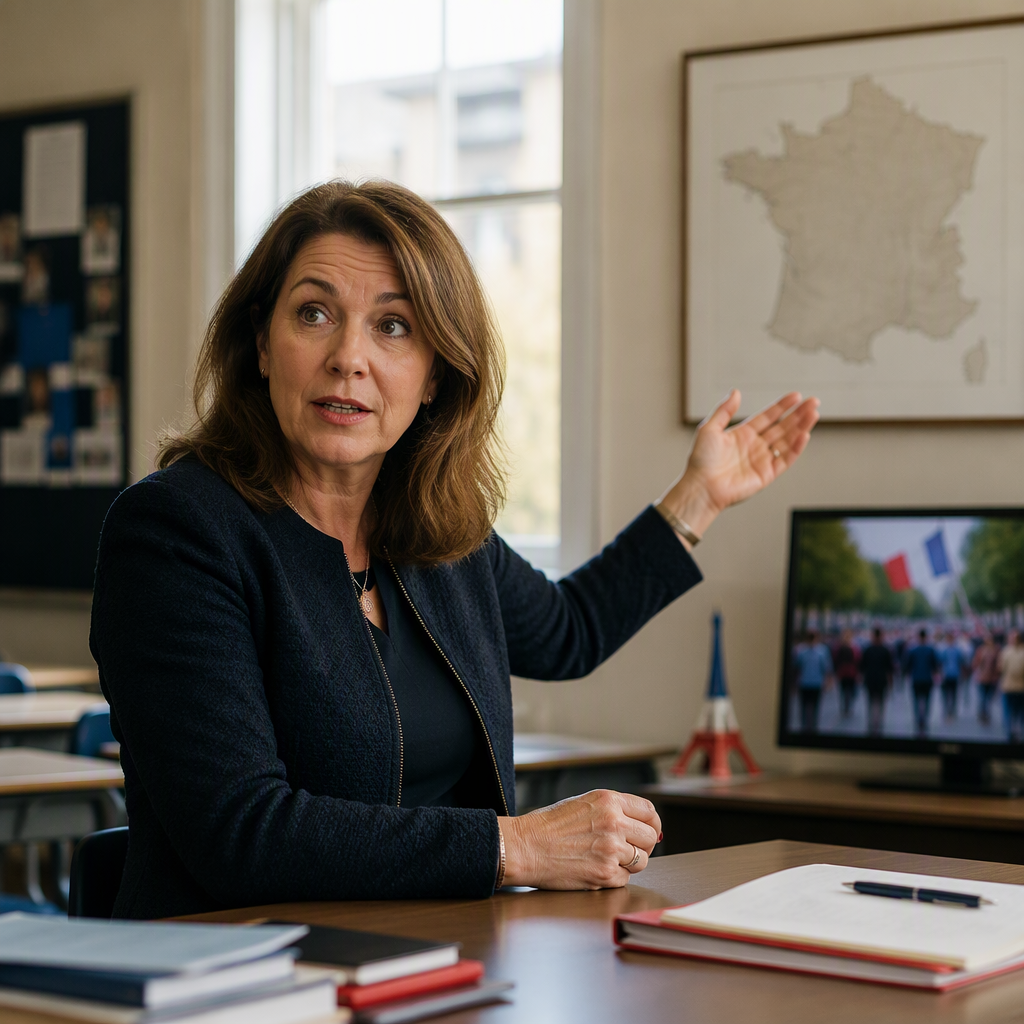
A prominent British educator has offered a sharp diagnosis of the civil unrest that recently shook French cities, examining how education drove riots in France. Katharine Birbalsingh, founder and headmistress of Michaela Community School in London, warned that progressive educational reforms and a collapse in classroom discipline have eroded social cohesion among young people.
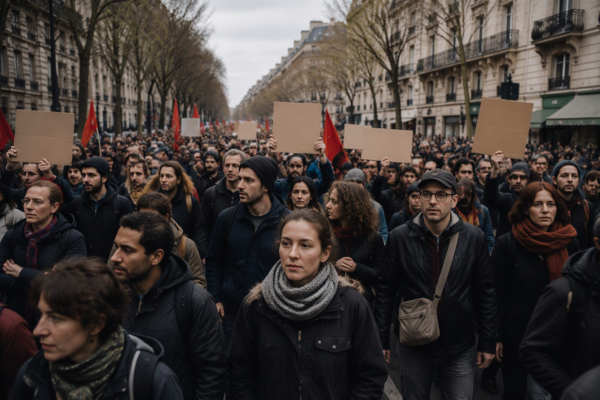
The unrest, which erupted following the fatal police shooting of a teenager in the Paris suburb of Nanterre, saw thousands of youths clash with police, setting fire to public buildings, cars, and schools. While many commentators pointed to systemic racism, police conduct, and poverty, Birbalsingh argued that the underlying catalyst was a multi-decade breakdown in the French educational system.
Also read: No, France Is Not Burning: Fact-Checking Viral Claims and the Reality of Protests
Why a London Headmistress Believes Education Drove Riots in France
Birbalsingh, widely known for establishing strict discipline and traditional teaching methods at her Wembley-based school, stated that schools are the primary vehicles for cultural assimilation and civic responsibility. When schools abandon their traditional authority, she argued, young people grow up without boundaries, direction, or a sense of national belonging.
According to the London headmistress, schools in France previously excelled at instilling secular republican values, rigorous academic standards, and strong civic pride. However, she contends that modern pedagogy embraced child-centered approaches that stripped teachers of authority and lowered academic expectations, particularly in disadvantaged neighborhoods.
“When schools fail to instill order and a shared culture, society pays the price,” Birbalsingh noted in her critique. She argued that the young ages of many rioters—many of whom were between 12 and 17 years old—reveals that the core failure occurred in childhood socialization rather than adult economic structures.
The Erosion of Discipline and Traditional Values
In her analysis, Birbalsingh highlighted several key factors within the classroom that contributed to alienation on the streets:
- Loss of Teacher Authority: Teachers increasingly face hostility without administrative backing, leading to an environment where pupils do not learn to respect authority figures.
- Retreat from Assimilation: Progressive theories discouraged schools from demanding shared national identity, leaving immigrant communities isolated from mainstream French culture.
- Academic Lowering of Standards: By lowering academic rigor in the name of inclusivity, schools left working-class students unprepared for economic mobility, breeding resentment.
The targeting of educational institutions during the unrest was particularly telling. Rioters attacked dozens of schools, libraries, and youth centers across major metropolitan areas. For Birbalsingh, this deliberate destruction demonstrated that youths no longer view schools as pathways to opportunity or institutions worthy of respect.
Socioeconomic Counterarguments and Alternative Views
Birbalsingh’s thesis has sparked debate among education analysts and sociologists across Europe. Critics maintain that attributing the riots primarily to pedagogical philosophy oversimplifies complex social crises.
French sociologists and community leaders point out that suburban housing projects—the banlieues—face systemic neglect, discrimination in hiring, and documented tensions between youth and law enforcement. Education unions in France also argue that chronic underfunding and severe teacher shortages in underprivileged districts contribute far more to educational disparities than teaching philosophies do.
Nevertheless, Birbalsingh maintains that funding alone cannot substitute for structured environments, uniform expectations, and moral guidance. She pointed to her own school’s success with students from underprivileged backgrounds in London as evidence that strict standards produce higher academic and social outcomes.
What Happens Next
The debate comes as the French government reviews its youth and education policies in the aftermath of the unrest. President Emmanuel Macron has since emphasized order and parental responsibility, proposing trials for school uniforms, civic training, and stricter sanctions for parents of juvenile offenders.
Educational leaders across Europe continue to monitor France’s policy shifts as nations grapple with youth disengagement. In reiterating her conclusion that education drove riots in France, Birbalsingh urged policymakers on both sides of the English Channel to restore rigorous, disciplined schooling before youth alienation deepens further.