
Is ‘Ferritin Face’ a Real Thing? What Doctors Say About Spotting Low Iron
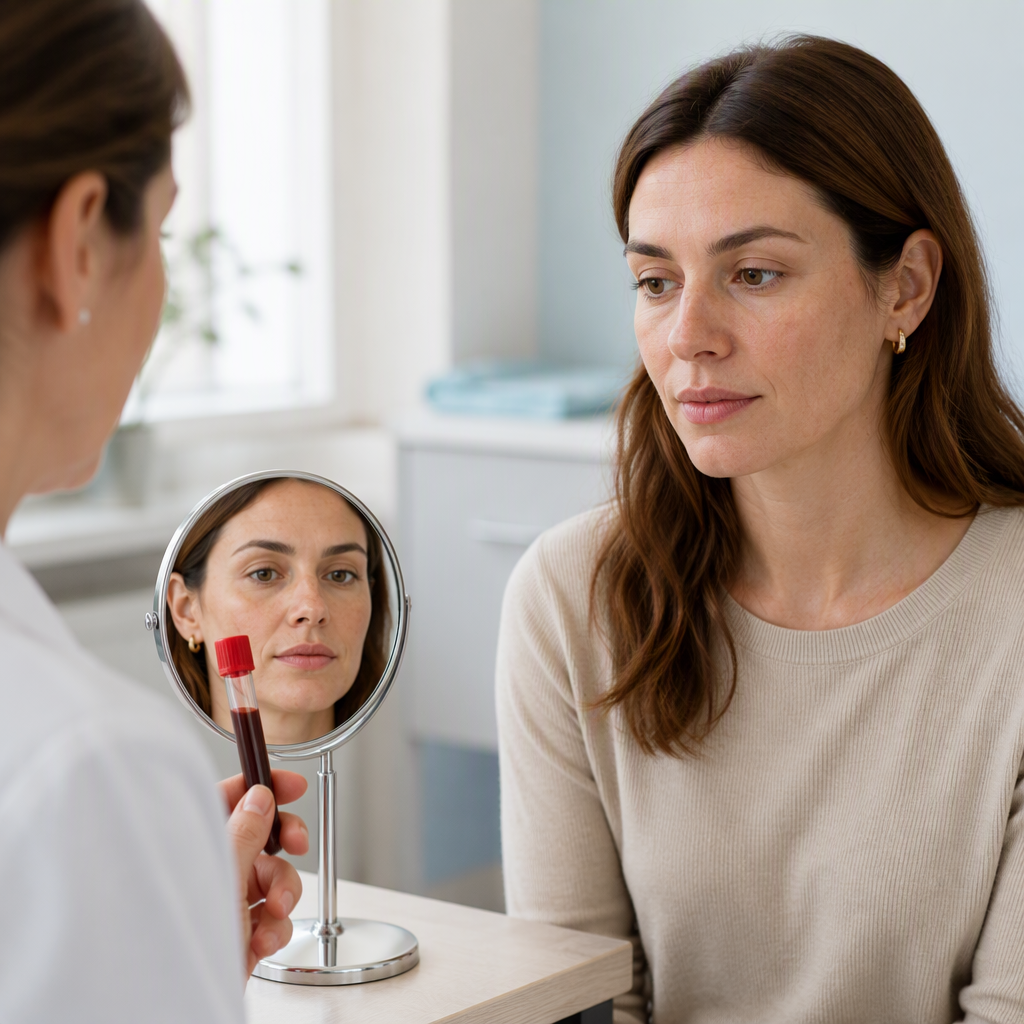
A new beauty and wellness trend known as “ferritin face” is dominating social media platforms, with creators claiming that specific facial changes can immediately reveal dangerously low iron levels. Viral videos on TikTok and Instagram showcase users pointing to hollow under-eye circles, extreme paleness, dull skin, and thinning eyebrows as definitive proof of depleted iron stores. But do medical experts agree that you can diagnose internal nutrient deficiencies simply by looking in the mirror?
While iron deficiency can cause visible physical changes, dermatologists and hematologists caution that the concept of a distinct “ferritin face” oversimplifies a complex medical condition. Understanding what ferritin is, how it affects the body, and why blood testing remains indispensable is vital before jumping to conclusions or self-prescribing supplements.
Also read: Microsoft AI Beats Doctors in Simulated Diagnosis Test, Study Shows
What Is Ferritin and Why Does It Matter?
Ferritin is not iron itself; rather, it is a specialized blood protein that stores iron inside cells and releases it when the body requires more. Measuring serum ferritin provides healthcare providers with the most accurate picture of total iron stores.
When ferritin levels drop significantly, the body struggles to produce sufficient hemoglobin, the iron-rich protein in red blood cells that transports oxygen to tissues and organs. Untreated, low ferritin can progress into iron deficiency anemia, a condition affecting hundreds of millions of people worldwide, particularly menstruating women, pregnant individuals, endurance athletes, and people with gastrointestinal disorders.
Can You Spot Low Iron on Your Face?
The viral fascination with ferritin face stems from real physiological symptoms, but medical professionals stress that the presentation is rarely uniform. When iron levels decline, blood flow is prioritized toward vital internal organs like the heart and brain, diverting circulation away from peripheral areas such as the skin.
Several facial and external symptoms are clinically associated with significant iron deficiency:
- Skin Pallor: A noticeable loss of natural skin tone or color is one of the most common signs. Physicians often check the conjunctiva (the inner lining of the lower eyelids), lips, and gums for pallor rather than the cheeks alone.
- Dark Under-Eye Circles: Reduced oxygenation in facial tissues can make the thin skin beneath the eyes appear darker or more hollow, as underlying blood vessels become more prominent.
- Angular Cheilitis: Painful cracks, irritation, or sores at the corners of the mouth frequently point to low iron, zinc, or vitamin B levels.
- Hair and Eyebrow Shedding: Hair follicles require iron to grow. Low ferritin often triggers diffuse shedding (telogen effluvium) or noticeable thinning of the eyebrows.
- Dry or Inflamed Tongue: Also known as glossitis, swelling, redness, or an unusually smooth tongue surface can signal advanced iron depletion.
Why Self-Diagnosing ‘Ferritin Face’ Is Dangerous
Despite the plausibility of these physical signs, doctors warn against using social media checklists to diagnose nutritional shortfalls. Dark circles, pale complexions, and dry skin are nonspecific symptoms. They can easily stem from genetics, chronic lack of sleep, dehydration, thyroid dysfunction, allergies, or normal aging processes.
Relying on physical appearance alone carries two major clinical risks: overlooking other serious underlying conditions and taking unnecessary iron supplements. Unlike water-soluble vitamins such as vitamin C, excess iron is not easily excreted by the body. Taking high-dose iron pills without medical supervision can cause iron overload (hemochromatosis), leading to severe liver damage, cardiovascular issues, joint pain, and gastrointestinal complications.
How Doctors Diagnose and Treat Low Ferritin
To accurately assess iron stores, physicians rely on objective laboratory evaluations rather than visual inspections. A standard diagnostic workup typically includes:
- Serum Ferritin Test: Measures stored iron reserves. Normal ranges vary, but levels below 30 ng/mL often signal deficiency, even if hemoglobin levels appear standard.
- Complete Blood Count (CBC): Evaluates red blood cell size, shape, and hemoglobin concentration.
- Total Iron-Binding Capacity (TIBC) and Transferrin Saturation: Assesses how effectively proteins are carrying iron throughout the bloodstream.
If testing confirms low iron or anemia, physicians focus on identifying the root cause—such as heavy menstrual bleeding, poor dietary intake, celiac disease, or occult gastrointestinal bleeding—before prescribing targeted oral supplements or intravenous (IV) iron infusions.
What Happens Next
As social media continues to popularize medical self-diagnosis, public health professionals urge individuals experiencing persistent fatigue, unexplained hair loss, or visible pallor to consult a qualified healthcare provider. Rather than assuming your mirror reflects a ferritin face, scheduling a routine blood test is the safest, most effective way to address iron health accurately and safely.




3 Comments
Comments are closed.