
People Living Past 100 in Tiny Village Share 3 Daily Habits, Researchers Find
In a remote coastal village tucked between rugged mountains and the Tyrrhenian Sea, researchers have uncovered common lifestyle patterns among an unusually high concentration of centenarians. For public health scientists investigating the secrets of living past 100, the remote Italian village of Acciaroli offers rare real-world evidence of how simple, persistent routines protect cardiovascular health and promote longevity.
Acciaroli, home to fewer than 1,000 residents, gained global medical attention when researchers from the University of California San Diego School of Medicine and Rome’s Sapienza University launched a joint study into its population. They discovered that more than one in ten residents lived beyond their 100th birthday, exhibiting remarkably low rates of heart disease, Alzheimer’s, and chronic metabolic illness.
Also read: The People Who Only Need Four Hours Sleep: Genetics Unlock the Secret to Natural Short Sleep
While genetics provide a foundation, epidemiologists emphasize that environment and daily behavior play the dominant role. Researchers identified three core daily habits shared across the community’s oldest residents.
1. A Diet Centered on Fresh Plants and Native Herbs
The centenarians of the village adhere strictly to an authentic, unrefined version of the Mediterranean diet. Rather than processed health foods, their meals depend entirely on seasonal, locally grown produce, wild greens, legumes, and virgin olive oil.
A defining characteristic of their nutrition is the liberal use of rosemary. Locals consume freshly picked rosemary with almost every meal. Medical analyses reveal that native rosemary contains high concentrations of carnosic acid and rosmarinic acid, potent compounds known for neuroprotective, anti-inflammatory, and antimicrobial properties.
Animal protein is consumed sparingly, primarily consisting of freshly caught local anchovies and modest portions of goat milk and cheese. This natural balance provides high levels of omega-3 fatty acids while avoiding the inflammatory markers associated with heavily processed meats.
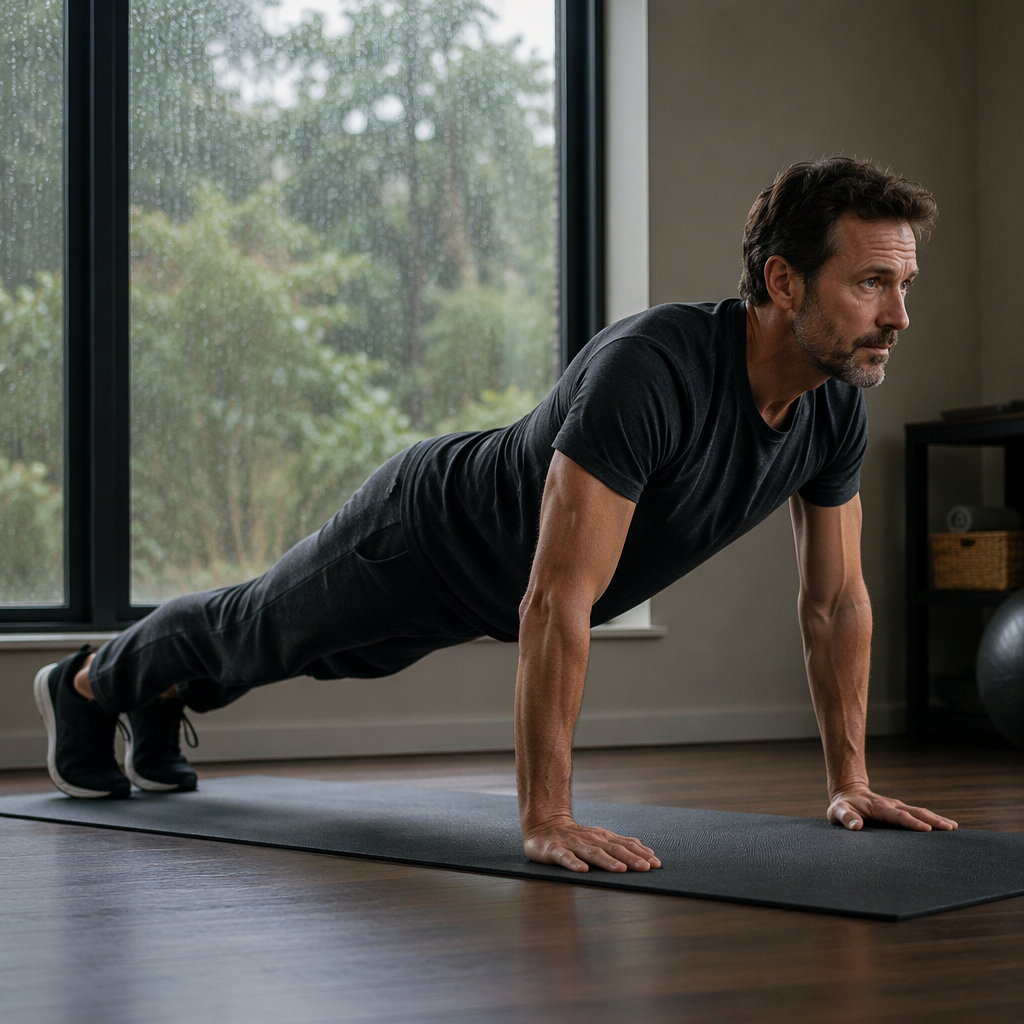
2. Natural, Constant Physical Activity
None of the centenarians in the village follow structured gym routines or high-intensity interval training. Instead, their physical exercise is seamlessly integrated into their daily survival and routines.
Acciaroli sits on steep terrain, requiring residents to walk up and down stone staircases and inclined paths to run errands, visit neighbors, or reach their gardens. Tending terraced olive groves, gardening, and carrying groceries keep residents active throughout their 80s, 90s, and beyond.
Cardiologists note that this sustained, low-intensity movement throughout the day keeps capillary circulation active and maintains muscle mass without placing sudden mechanical strain on aging joints and tendons.
3. Strong Social Ties and Built-In Stress Relief
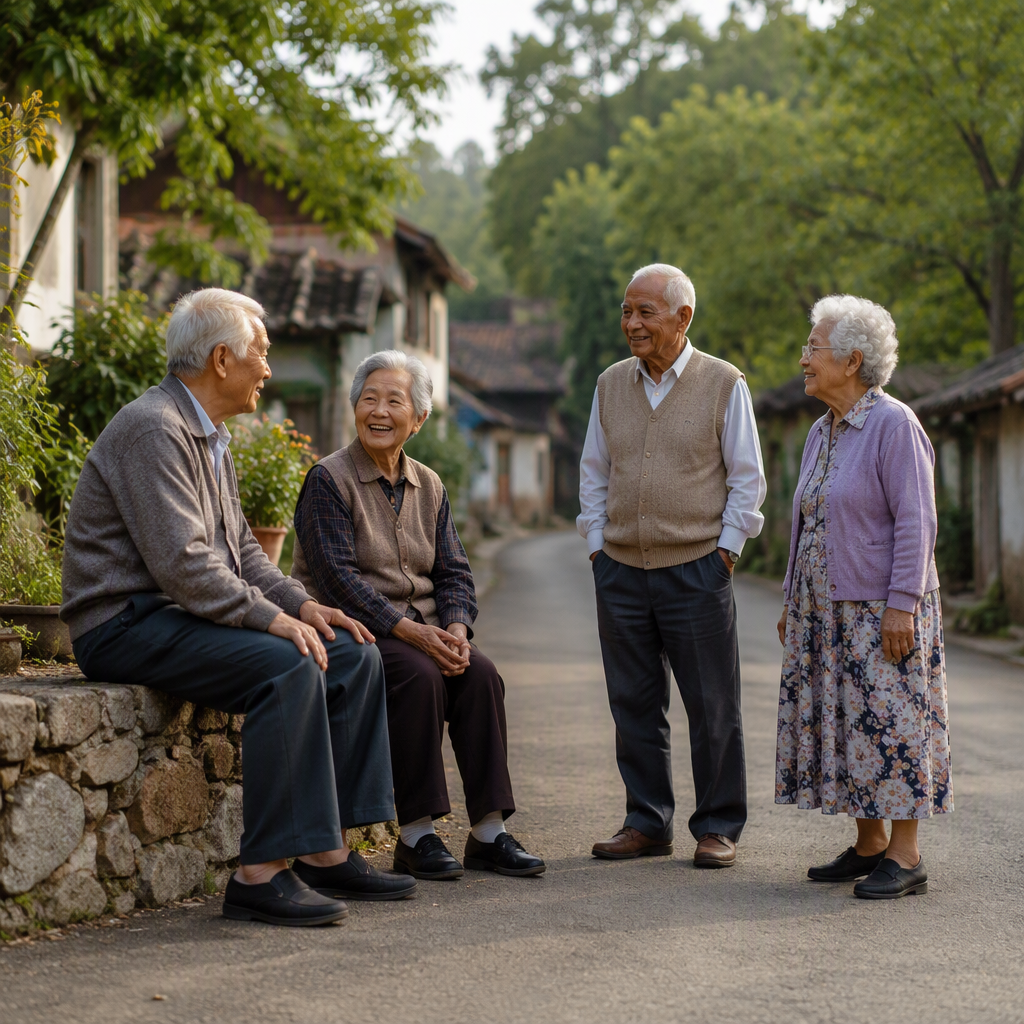
The third critical pillar identified by experts is emotional and social resilience. Isolation is virtually nonexistent in the village. Elderly residents remain active, central members of their families and civic community rather than retiring into solitude.
Every afternoon, village elders gather in common squares, harbor docks, and family courtyards to socialize, converse, and rest. This consistent social contact buffers against chronic stress and depression, both of which are clinically proven risk factors for cardiovascular decline.
In addition, residents routinely honor a midday rest period, allowing cortisol levels to reset and supporting healthy circadian rhythms.
What Science Says About Living Past 100
During clinical examinations, scientists discovered an unexpected biomarker among the village’s oldest citizens: unusually low levels of adrenomedullin, a peptide hormone associated with microcirculation. When adrenomedullin levels remain balanced, blood vessels stay pliable and functional, delivering nutrients to vital organs far more effectively as the body ages.
Researchers noted that the centenarians possessed capillary networks functioning at levels typical of individuals decades younger, supporting cognitive sharpness and heart resilience.
Practical Takeaways for Long-Term Health
While most people cannot relocate to a Mediterranean fishing village, clinicians suggest that the underlying habits are widely adaptable to modern lifestyles:
- Incorporate fresh herbs: Adding rosemary, sage, and thyme to daily cooking introduces polyphenol antioxidants that combat cellular oxidative stress.
- Build movement into the day: Prioritize daily walking, taking stairs, and household gardening over purely sedentary routines broken up by brief gym sessions.
- Cultivate community: Prioritizing face-to-face interactions with friends and family reduces chronic inflammatory stress markers.
Conclusion
The evidence emerging from Acciaroli underscores that living past 100 is rarely the result of a single miracle supplement or medical breakthrough. Instead, longevity reflects the compounding effect of nutrient-dense whole foods, continuous low-impact movement, and strong human connections sustained day after day.