
Sudan Hospitals Targeted by RSF Fighters in Escalating Healthcare Crisis
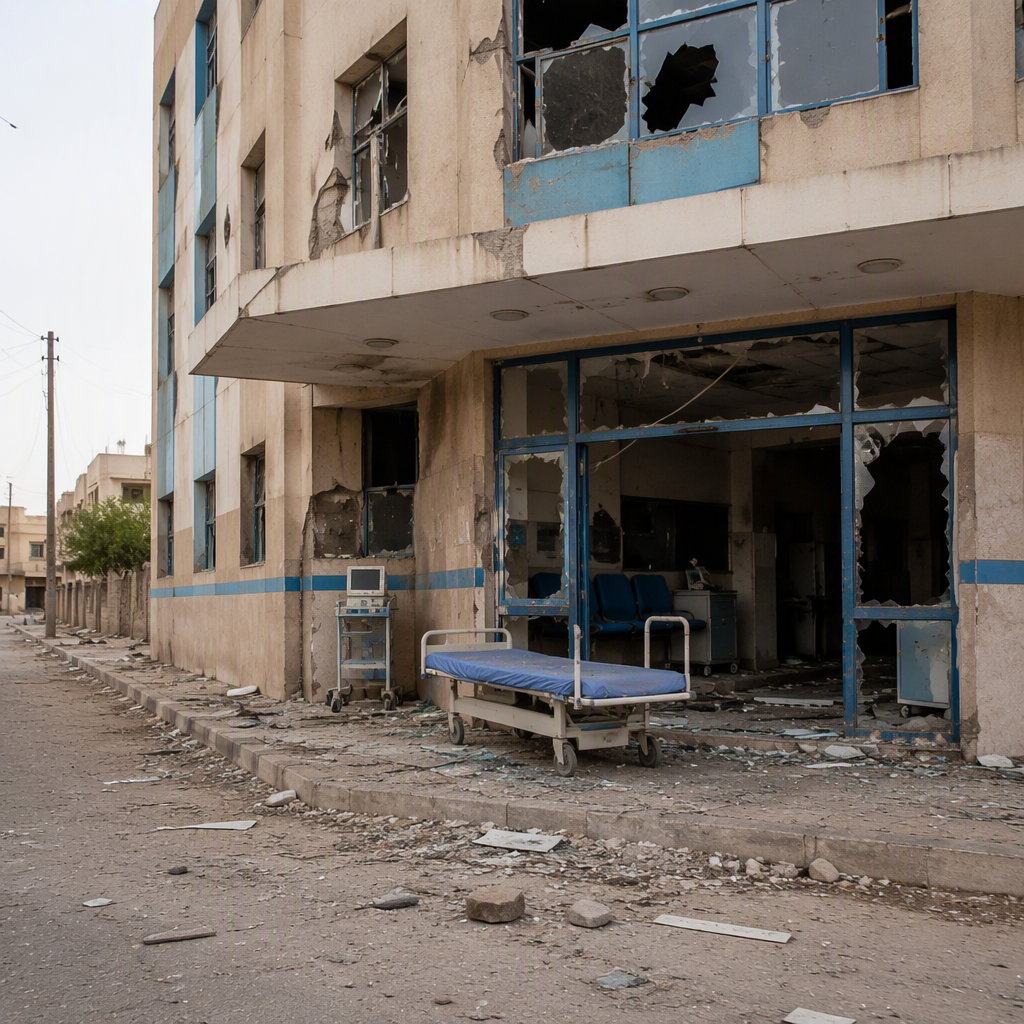
International rights organizations and medical workers report that Sudan hospitals targeted by RSF fighters have suffered catastrophic damage, pushing the nation’s fragile healthcare infrastructure to the brink of total collapse. Mounting testimonies and field assessments indicate that medical facilities across Khartoum, Darfur, and Gezira state have faced deliberate artillery strikes, ground incursions, and widespread looting by paramilitary personnel since the conflict erupted.
The systematic assaults on treatment centers have deprived millions of civilians of access to urgent surgical care, maternal health services, and essential medications. International humanitarian agencies warn that these actions violate international humanitarian law and amount to potential war crimes.
Also read: Sudan’s Soaring Fuel Prices Make Getting By Harder for Workers
Pattern of Abuse: How Sudan Hospitals Targeted by RSF Fighters Suffer Systematic Attacks
According to data from the World Health Organization (WHO) and local medical networks, between 70% and 80% of hospitals in conflict-affected regions are no longer operational. The Sudanese Doctors Syndicate has documented scores of incidents where Rapid Support Forces (RSF) units entered functioning facilities, expelled doctors at gunpoint, and commandeered wards as military staging grounds or sniper positions.
In El Fasher, the besieged capital of North Darfur, the city’s primary healthcare hubs—including the vital South Hospital—faced relentless shelling and direct ground assaults. International medical charity Médecins Sans Frontières (MSF) was repeatedly forced to suspend operations after armed fighters stormed facilities, opened fire inside treatment rooms, and looted surgical equipment and ambulances.
Similar patterns have played out across Wad Madani in Gezira state and throughout the capital, Khartoum. Rather than treating clinics as protected neutral zones, evidence shows combatants actively stripping hospitals of blood banks, electrical generators, and pharmaceutical inventories.
Humanitarian Consequences of the Healthcare Siege
The weaponization of healthcare access has compounded an already unprecedented humanitarian emergency. Sudan now faces the world’s largest internal displacement crisis, alongside soaring rates of acute malnutrition and spreading outbreaks of cholera, dengue fever, and malaria.
Critical Shortages and At-Risk Medical Personnel
Physicians, nurses, and local volunteers have faced direct threats, arbitrary detention, and extrajudicial killings while attempting to provide care under siege. With supply routes blocked by checkpoints, surviving facilities operate without clean running water, reliable electricity, anesthetics, or surgical sutures.
Dialysis patients, individuals requiring chronic disease management, and wounded civilians routinely die from preventable causes because specialized units have been shuttered or ransacked.
International Law and Calls for Accountability
Attacks directed against civilian medical infrastructure constitute grave breaches of the Geneva Conventions. The United Nations Security Council and human rights monitoring groups have repeatedly demanded that all fighting factions cease attacks on civilian objects and guarantee unhindered humanitarian access.
Investigators gathering evidence for the International Criminal Court (ICC) continue to document violations in Darfur and greater Sudan. Legal experts emphasize that commanders ordering or permitting strikes against clearly marked healthcare centers bear direct criminal responsibility under international law.
What Happens Next
Diplomatic initiatives led by regional and international mediators continue to push for enforceable ceasefires and verified humanitarian corridors. However, frontline monitors report that without robust enforcement mechanisms, protection for health workers remains minimal.
As evidence deepens that Sudan hospitals targeted by RSF fighters remain under persistent threat, international aid agencies are urging global powers to increase targeted diplomatic pressure and secure safe passages for emergency medical supplies to prevent an absolute collapse of medical relief across the country.