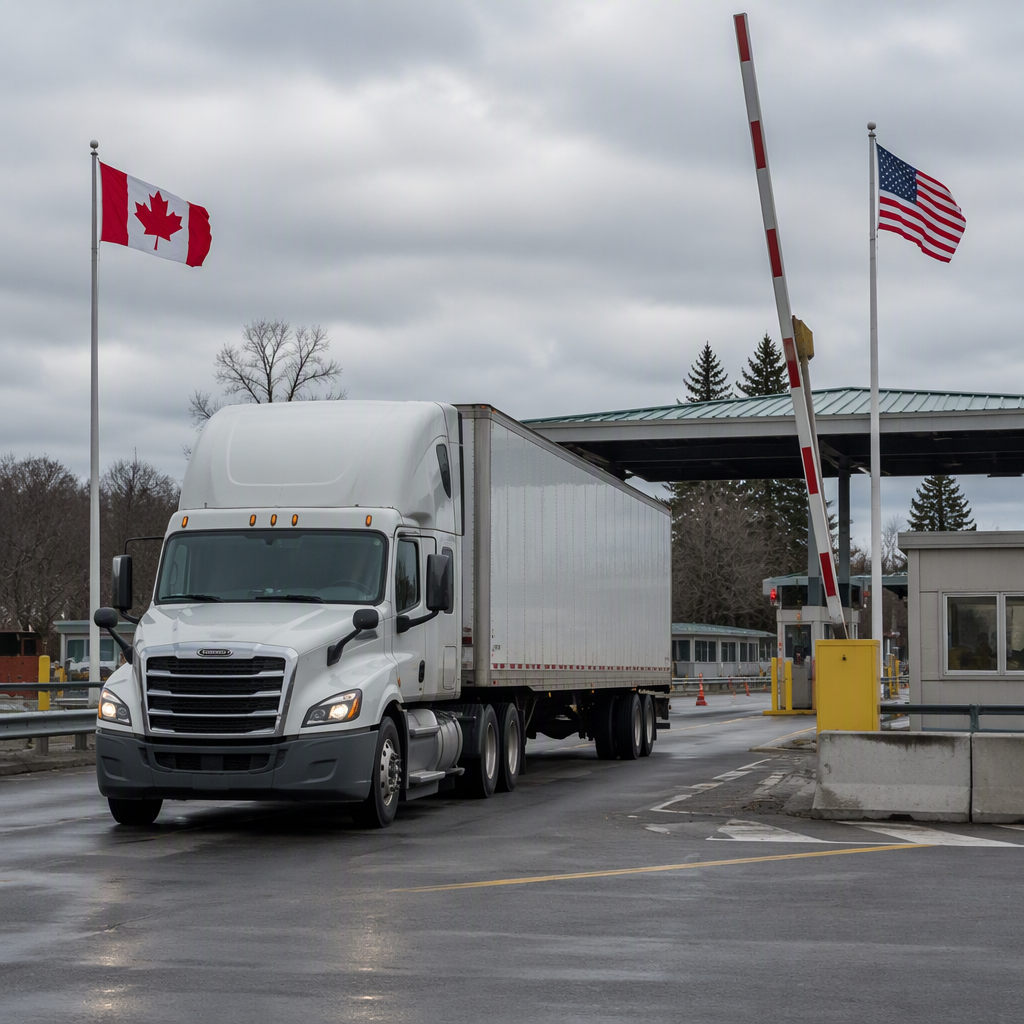

White House Lifts Tariffs on Canadian Goods Ahead of Midterm Elections
WASHINGTON — In a strategic move to ease consumer price pressures and repair regional trade ties, the White House lifts tariffs on Canadian goods across several key commercial sectors as the midterm elections loom. The targeted tariff relief removes longstanding import levies on selected Canadian industrial and agricultural items, offering immediate cost reductions for domestic manufacturers and retail consumers.
Administration officials confirmed that the decision follows months of technical discussions under the United States-Mexico-Canada Agreement (USMCA). By reducing trade barriers on cross-border inputs, federal policymakers aim to temper elevated inflation numbers that remain top of mind for American voters heading to the ballot box.
Also read: Inside the Fight to Save a Canadian Town Threatened by Trump’s Tariffs
Why the White House Lifts Tariffs on Canadian Goods Now
Persistent cost-of-living concerns have pushed trade policy to the forefront of the administration’s economic agenda. By eliminating duties on select products such as specialty metals, construction materials, and processed agricultural commodities, officials expect to lower wholesale expenses for domestic businesses that rely on Canadian supply chains.
Supply chain analysts note that cross-border tariffs have functioned as an added tax on domestic enterprises during periods of market volatility. Lifting these duties provides direct cost savings for builders, fabricators, and processors who have struggled with tight margins and elevated logistics overhead.
Strengthening Bilateral Ties Under the USMCA
Government leaders in Ottawa welcomed the move, framing it as a critical step toward full economic integration under the USMCA framework. Canadian trade officials had long argued that cross-border levies disrupted established supply networks and invited reciprocal friction between two of the world’s closest trading partners.
The rollback also creates diplomatic goodwill as Washington and Ottawa navigate shared continental challenges, including clean energy supply chains, critical mineral extraction, and border security. Removing friction points on everyday goods helps both nations protect North American manufacturing competitiveness against offshore rivals.
Domestic Political Stakes Ahead of the Midterm Elections
The timing of the decision carries significant political weight. With the midterm elections approaching, economic performance and consumer sentiment remain decisive factors for congressional control. Polling consistently indicates that inflation, grocery prices, and household expenses top voter priorities across battleground districts.
By lowering import duties on high-demand Canadian products, the White House seeks to demonstrate concrete action against price inflation without relying exclusively on monetary tightening. Lawmakers in competitive Midwestern and border-state districts have frequently petitioned federal trade authorities to ease tariffs that raise prices for local factories and agricultural producers.
What Happens Next
Federal trade agencies will publish the formal tariff exemption schedule in the Federal Register in the coming days, outlining the specific tariff lines, phase-out dates, and compliance rules for importers. Business associations and logistics operators are preparing operational updates to claim duty-free status at U.S. ports of entry immediately.
Trade representatives from both nations are scheduled to meet later this quarter to review broader commercial benchmarks, including dispute mechanisms for dairy, automotive rules of origin, and lumber shipments. While select trade disputes remain unresolved, this latest action establishes a collaborative baseline for upcoming bilateral reviews.
Conclusion
As the White House lifts tariffs on Canadian goods, the administration pairs tactical political timing with practical economic relief. The measure offers an immediate boost to cross-border commerce, eases pressure on American supply lines, and underscores the vital connection between domestic voter sentiment and international trade policy.



1 Comment
Comments are closed.