
How Lula Held on to Brazil: Navigating Polarization, Congress, and Crises
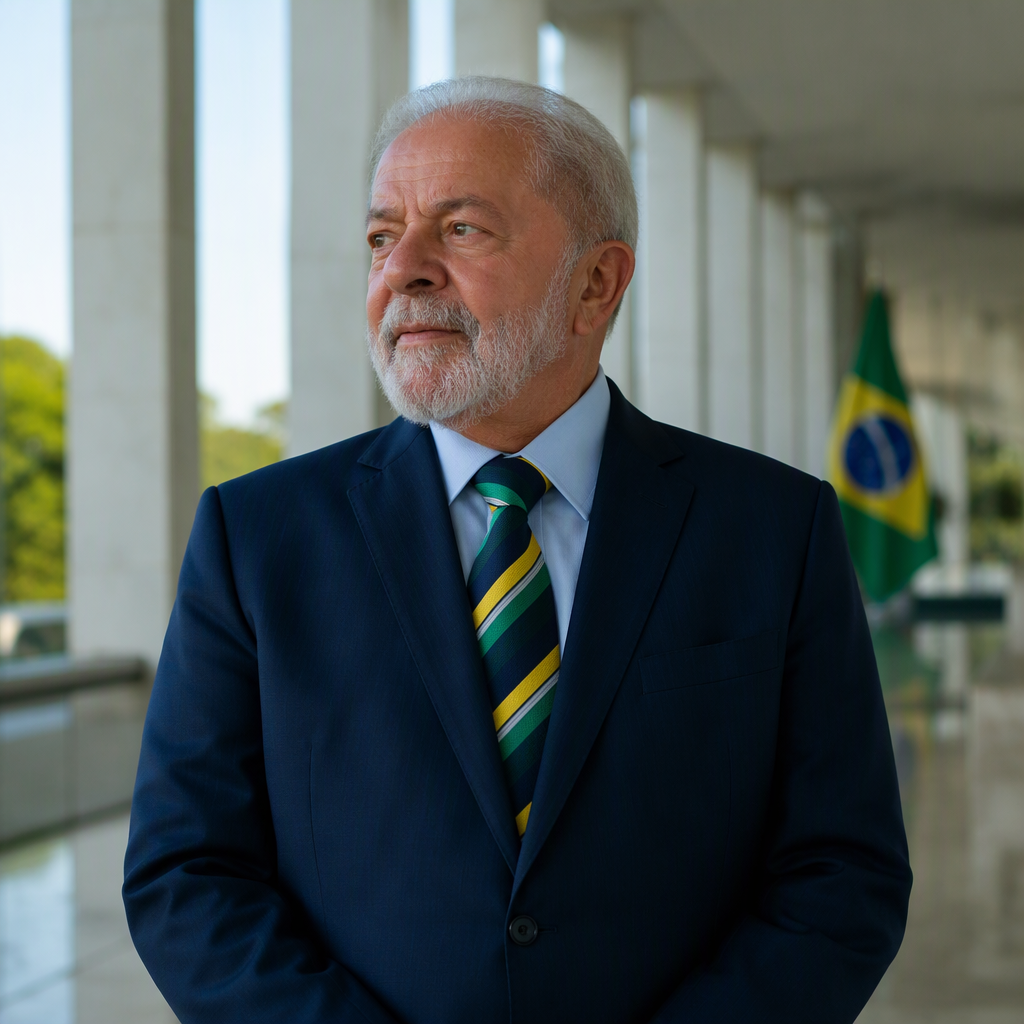
When Luiz Inácio Lula da Silva assumed office on January 1, 2023, he inherited a nation fractured by bitter ideological divides, institutional fatigue, and economic uncertainty. Just one week into his historic third term, violent demonstrations in Brasília shook the foundation of South America’s largest democracy, revealing how Lula held on to Brazil despite intense political turbulence and deep partisan divisions.
Lula’s narrow victory over incumbent Jair Bolsonaro in October 2022 left him with a mandate to govern, but with little room for error. Over the course of his presidency, the veteran leftist leader has relied on political pragmatism, institutional alliances, and calibrated economic management to maintain stability and assert authority.
Also read: What’s Next for Brazil’s Flavio Bolsonaro After Election Defeat?
The Trial of January 8: Defending Democratic Institutions
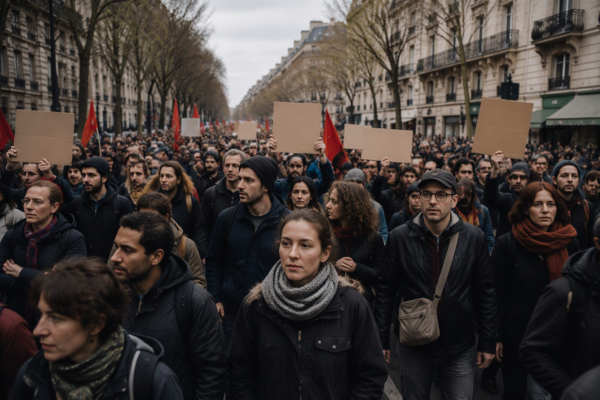
The first major test of Lula’s administration arrived on January 8, 2023, when thousands of demonstrators stormed the National Congress, the Supreme Federal Court (STF), and the Planalto presidential palace. The unrest mirrored the January 6 Capitol attack in the United States and threatened to destabilize the newly inaugurated government.
Lula acted swiftly, signing a federal intervention decree for public security in the Federal District. Instead of retreating, the administration leveraged the crisis to unite key pillars of the Brazilian state. Governors from across the political spectrum gathered in Brasília alongside Supreme Court justices and congressional leaders, presenting a unified front against institutional subversion.
By framing the defense of democratic institutions as a non-partisan priority, Lula consolidated authority and sidelined radical factions within days of taking power.
Coalition Politics: How Lula Held on to Brazil Through Legislative Compromise
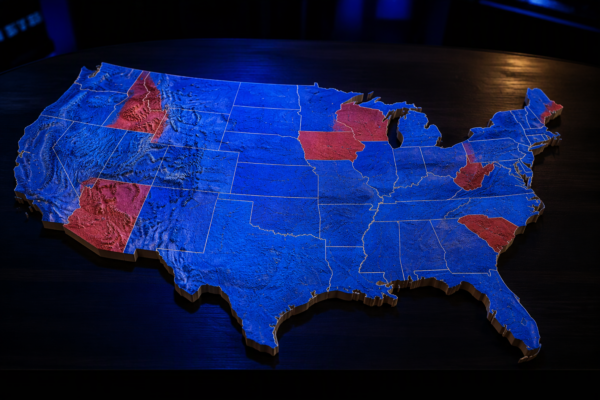
Managing the streets was one challenge; managing the National Congress was another. The 2022 elections produced one of the most conservative legislative bodies since Brazil’s return to democracy in 1985. Left-wing parties held only a minority of seats in both the Chamber of Deputies and the Federal Senate.
To pass critical legislation, Lula had to adapt his strategy. He expanded his governing coalition beyond his traditional base in the Workers’ Party (PT), distributing key cabinet portfolios and budgetary influence to the powerful centrist bloc known as the Centrão.
Through persistent negotiations with legislative leaders, such as Chamber of Deputies President Arthur Lira and Senate President Rodrigo Pacheco, the administration secured vital legislative victories, demonstrating how coalition building remains essential to presidential survival in Brazil’s multi-party system.
Pragmatic Economics and the Role of Fernando Haddad
Economic stability served as another critical anchor for Lula’s administration. Investors and conservative lawmakers initially feared a return to heavy state interventionism and uncontrolled public spending.
To alleviate these concerns, Finance Minister Fernando Haddad spearheaded two major policy initiatives:
- A New Fiscal Framework: Replacing the rigid spending ceiling with a flexible fiscal rule designed to curb debt while protecting public investment.
- Historic Tax Reform: Overhauling Brazil’s notoriously complex consumption tax system, a milestone that had eluded previous administrations for three decades.
At the same time, the administration expanded social safety nets, notably reviving the revamped Bolsa Família welfare program and raising the minimum wage above inflation. This dual approach—reassuring financial markets while sustaining social programs—helped calm economic volatility and lower inflation.
Re-establishing Brazil on the Global Stage
Beyond domestic policy, Lula used foreign affairs to reinforce his standing at home. Emphasizing that “Brazil is back,” he embarked on an active diplomatic agenda to re-engage with international partners.
Lula pursued an independent foreign policy, maintaining constructive trade ties with China, coordinating with the United States on climate goals, and revitalizing regional bodies across South America. His administration also prioritized environmental policy, curbing deforestation in the Amazon basin and preparing Belém to host the COP30 climate conference.
What Happens Next
While Lula has consolidated power, his government faces enduring headwinds. The political opposition remains vocal and organized, fiscal pressures continue to test the Treasury, and legislative majorities must be rebuilt on an issue-by-issue basis.
Upcoming municipal and midterm elections will serve as a bellwether for the durability of Lula’s political alliance and the strength of conservative opposition forces heading toward 2026.
Conclusion
The story of modern Brazilian governance is one of endurance under pressure. By defending state institutions, embracing legislative bargaining, and maintaining fiscal moderation, the administration demonstrated how Lula held on to Brazil through one of the most polarized chapters in its modern history.