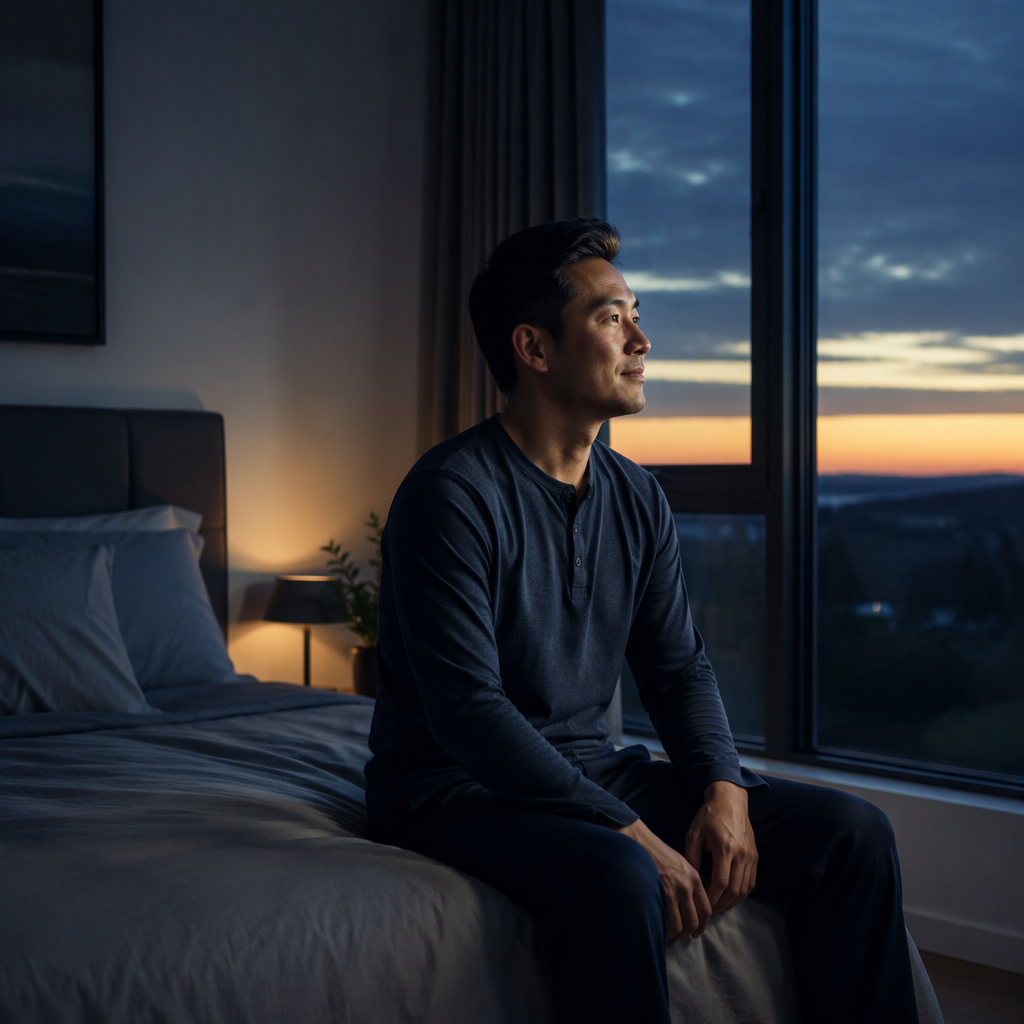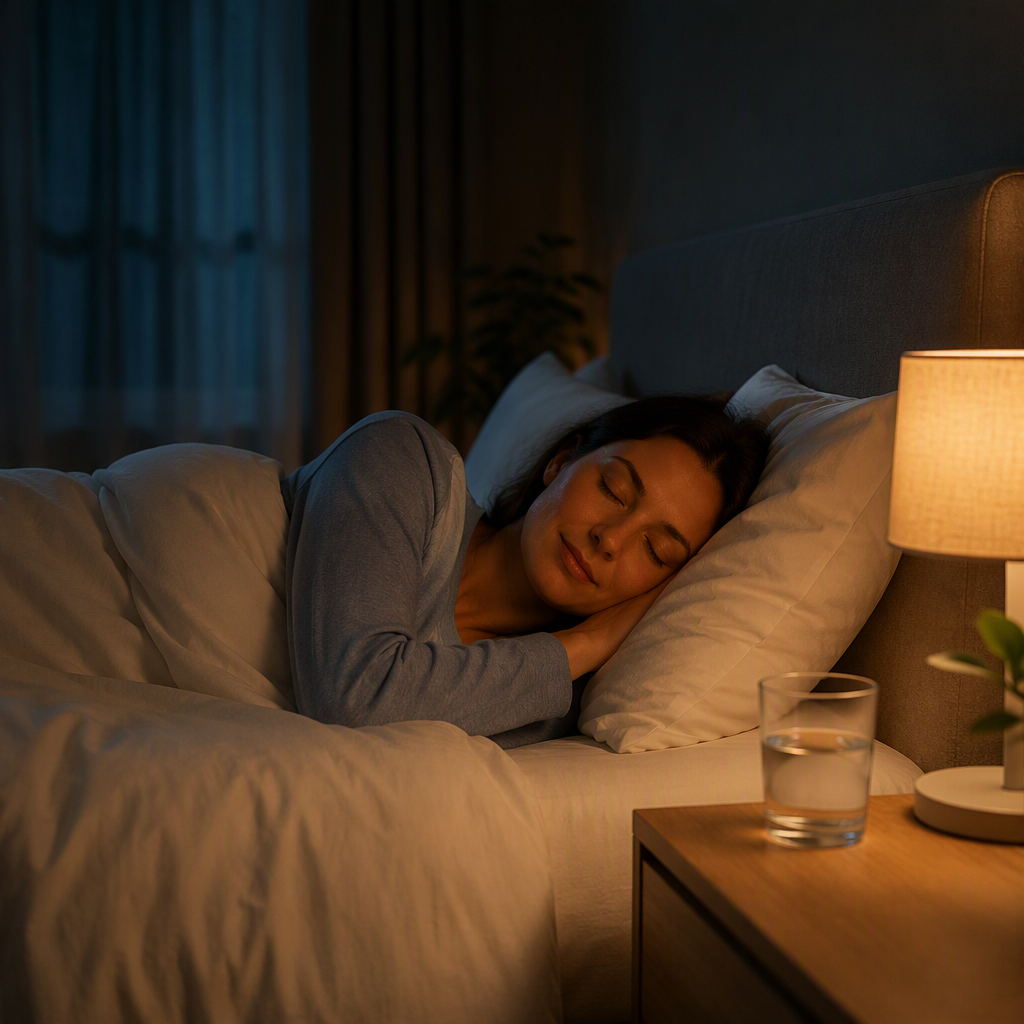

Millions of adults worldwide struggle with persistent insomnia, daytime fatigue, and disrupted sleep cycles. Medical researchers and public health authorities increasingly classify chronic sleep deprivation as an emerging public health challenge, directly linked to cardiovascular disease, metabolic disorders, weakened immunity, and compromised cognitive function. For those seeking practical solutions on how to sleep better, clinical experts emphasize that sustainable relief relies on targeted behavioral modifications, environment optimization, and an understanding of human circadian biology.
Understanding the Biological Mechanics of Rest
Sleep is not merely a passive state of rest; it is an active physiological process essential for cellular repair, memory consolidation, and hormonal regulation. Human sleep operates in cycles alternating between Non-Rapid Eye Movement (NREM) and Rapid Eye Movement (REM) states. Achieving restorative sleep requires uninterrupted progression through these stages, allowing the brain to clear metabolic waste through the glymphatic system.
Also read: What Modern Science Can Learn from Hunter-Gatherer Sleep Habits
Disruptions to this cycle often stem from misalignments between modern lifestyle habits and internal biological clocks. The body relies heavily on external cues, known as zeitgebers, to regulate its internal 24-hour clock.
How to Sleep Better Through Proven Sleep Hygiene Habits
Sleep hygiene refers to the daily routines and environmental conditions that promote consistent, uninterrupted rest. Clinical guidelines published by the American Academy of Sleep Medicine highlight several fundamental adjustments that yield measurable improvements:
- Maintain a Consistent Schedule: Going to bed and waking up at the same time every day—including weekends—anchors the body’s circadian rhythm, making it easier to fall asleep and wake up naturally.
- Optimize Room Temperature: Core body temperature naturally drops in preparation for sleep. Keeping the bedroom between 60 and 67 degrees Fahrenheit (15 to 19 degrees Celsius) supports this thermal regulation.
- Reserve the Bed for Sleep: Working, watching television, or reading in bed conditions the brain to associate the mattress with active cognitive tasks rather than rest.
- Minimize Acoustic and Visual Disturbances: Blackout curtains, eye masks, and white noise machines help eliminate environmental triggers that cause micro-awakenings throughout the night.
Managing Light Exposure and Circadian Rhythms
Light is the most powerful regulator of the human circadian rhythm. Exposure to natural sunlight in the morning triggers a surge in cortisol, promoting alertness and signaling the body to reset its internal timer.
Conversely, artificial illumination in the evening disrupts this biological timing mechanism. Electronic displays—including smartphones, tablets, computers, and televisions—emit concentrated blue spectrum light that suppresses the production of melatonin, the neurohormone responsible for inducing drowsiness. Health authorities advise shutting down digital screens at least 60 minutes before bedtime or using warm-light filters to reduce blue light absorption.
Dietary Choices and Physical Activity
Daily habits outside the bedroom strongly influence nocturnal rest. Dietary intake, timing of meals, and stimulant consumption play decisive roles in sleep continuity.
Caffeine and Alcohol Intake
Caffeine carries an average biological half-life of five to seven hours, meaning a significant concentration can remain active in the bloodstream late into the evening. Physicians recommend avoiding coffee, energy drinks, and caffeinated sodas after early afternoon.
While alcohol acts as a central nervous system depressant and may accelerate the onset of sleep, it severely degrades overall sleep architecture. As the liver metabolizes alcohol during the second half of the night, it triggers fragmented sleep, elevated heart rate, and reduced REM stages.
Physical Exercise and Evening Meals
Moderate aerobic activity consistently enhances slow-wave deep sleep. However, vigorous workouts performed immediately before bed can elevate core body temperature and heart rate, delaying sleep onset. Similarly, large or heavily spiced meals consumed close to bedtime can cause gastrointestinal distress and acid reflux, impairing physical comfort.
When to Consult a Medical Professional
While lifestyle adjustments resolve many common sleep issues, chronic inability to sleep may indicate an underlying medical condition. Conditions such as obstructive sleep apnea, restless legs syndrome, and chronic clinical insomnia often require specialized intervention.
Warning signs that warrant clinical evaluation include chronic loud snoring, waking up gasping for air, persistent morning headaches, and unrelenting daytime exhaustion despite spending sufficient hours in bed. In such cases, a formal sleep study (polysomnography) or cognitive behavioral therapy for insomnia (CBT-I) may be prescribed.
Conclusion: Taking Practical Steps to Sleep Better
Learning how to sleep better does not require radical overhauls overnight; rather, lasting improvement comes from systematic, science-backed lifestyle changes. By stabilizing sleep schedules, curbing evening light exposure, moderating stimulant consumption, and fostering a cool, distraction-free bedroom environment, individuals can significantly enhance their sleep quality and protect their long-term health.
What Happens Next
Public health institutions continue to expand research into circadian medicine and non-pharmacological interventions for sleep disorders. Health experts recommend that individuals experiencing difficulty sleeping track their habits using a sleep diary for two weeks to identify personal patterns before consulting a healthcare professional.