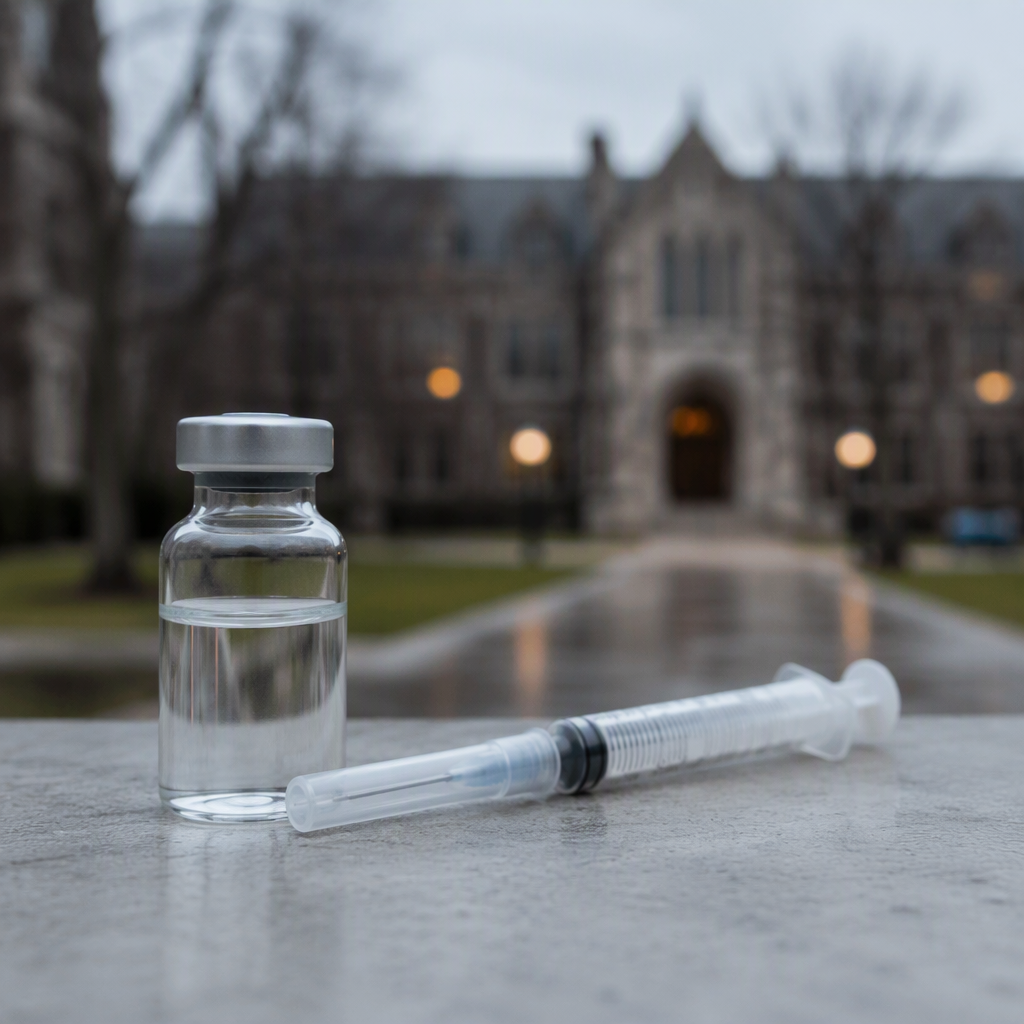

Ketamine Risks Raise Alarm Amid Cornell University Sexual Assault Allegations
Recent campus crime alerts and sexual assault allegations linked to suspected drug-facilitated incidents at Cornell University have reignited urgent warnings from health professionals and student safety advocates regarding severe ketamine risks. As university officials and law enforcement investigate reports of non-consensual drugging, experts caution that the powerful anesthetic creates uniquely hazardous vulnerabilities when introduced without a victim’s knowledge or consent.
The reports have prompted discussions among administrators, police, and medical personnel about the growing threat of illicit dissociative substances at collegiate social gatherings, highlighting the need for rapid medical intervention and increased student awareness.
Also read: Top Prosecutor Faces Scrutiny in Cornell Sex Assault Case Fight
Campus Safety Alerts and Student Outcry at Cornell
Cornell University administrators and the Cornell University Police Department (CUPD) have repeatedly issued campus-wide crime alerts following reports of sexual assault and drugging incidents associated with off-campus fraternity and student social events. Witnesses and victims described sudden disorientation, motor impairment, and memory loss consistent with chemical incapacitation.
In response to these allegations, student governing bodies and university leaders previously imposed temporary suspensions on fraternity social gatherings, demanding comprehensive reviews of risk management policies, bystander intervention strategies, and beverage monitoring at registered events. The alarming nature of the claims has left students calling for greater transparency and more aggressive preventative measures.
Understanding Ketamine Risks as an Incapacitating Substance
While ketamine is widely recognized as a regulated clinical anesthetic and an emerging treatment for treatment-resistant depression, its illicit use in social environments carries profound hazards. Understanding ketamine risks is critical when evaluating its role in drug-facilitated sexual assault.
Pharmacologists note that ketamine acts as an NMDA receptor antagonist, rapidly disrupting communication between the brain and the body. When administered covertly, the drug causes severe effects within minutes, including:
- Sensory and Cognitive Dissociation: Victims often feel detached from their physical surroundings and unable to process verbal communication or assess danger.
- Motor Paralysis: Known colloquially as entering a “K-hole,” higher doses can render individuals physically immobile, preventing them from resisting an attacker or calling for help.
- Anterograde Amnesia: The drug severely impairs short-term memory formation, leaving victims unable to recall critical details of an assault, which complicates trauma recovery and forensic investigations.
- Respiratory and Cardiovascular Strain: Excessive dosages can induce respiratory depression, dangerously slow heart rates, or lead to unconsciousness.
The Heightened Danger of Mixing Ketamine with Alcohol
Public health experts emphasize that ketamine becomes exponentially more lethal and incapacitating when combined with ethanol. Because alcohol is a central nervous system depressant, co-ingestion amplifies sedation and respiratory inhibition.
In social settings where alcohol consumption is prevalent, an individual who has been covertly drugged with ketamine may appear outwardly intoxicated, leading bystanders to overlook medical distress. Health officials urge students to seek immediate medical attention rather than assuming a companion simply drank too much, as delayed care can lead to asphyxiation, coma, or fatal overdose.
Reporting Protocols and Forensic Challenges
Investigating suspected ketamine-facilitated sexual assaults presents distinct legal and toxicological hurdles. Ketamine metabolizes rapidly in the human body, often clearing from blood and urine within 24 to 48 hours. When combined with substance-induced memory gaps, victims frequently experience delays in recognizing they were assaulted, resulting in missed windows for comprehensive forensic drug screening.
Title IX coordinators and victim advocacy organizations emphasize that survivors should seek immediate evaluation at medical facilities equipped with trained Sexual Assault Nurse Examiners (SANE). Specialized toxicology testing must be requested early to detect rapidly eliminating dissociative agents.
What Happens Next: Prevention and Accountability
Colleges nationwide, including Ivy League institutions like Cornell, face mounting pressure to overhaul campus safety frameworks. Campus security experts recommend implementing several immediate and long-term safeguards:
- Distributing verified beverage testing strips and cup-covering devices across campus health centers and residential halls.
- Mandating active bystander intervention workshops and drug-facilitated sexual assault training for all Greek life organizations and athletic teams.
- Expanding 24/7 medical amnesty policies so students report suspicious incapacitation without fear of disciplinary penalties for underage drinking.
- Partnering closely with municipal police and forensic labs to fast-track evidence processing in drugging allegations.
As investigators work to address allegations on campus, public health authorities stress that mitigating dangerous ketamine risks requires an unyielding institutional commitment to proactive education, rapid medical assistance, and decisive accountability for predatory behavior.




1 Comment
Comments are closed.