
A prominent U.S. Catholic leader faces sharp criticism from pro-life advocates and faithful parishioners as a Chicago cardinal sparks controversy following an archdiocesan event supporting the education of future priests.
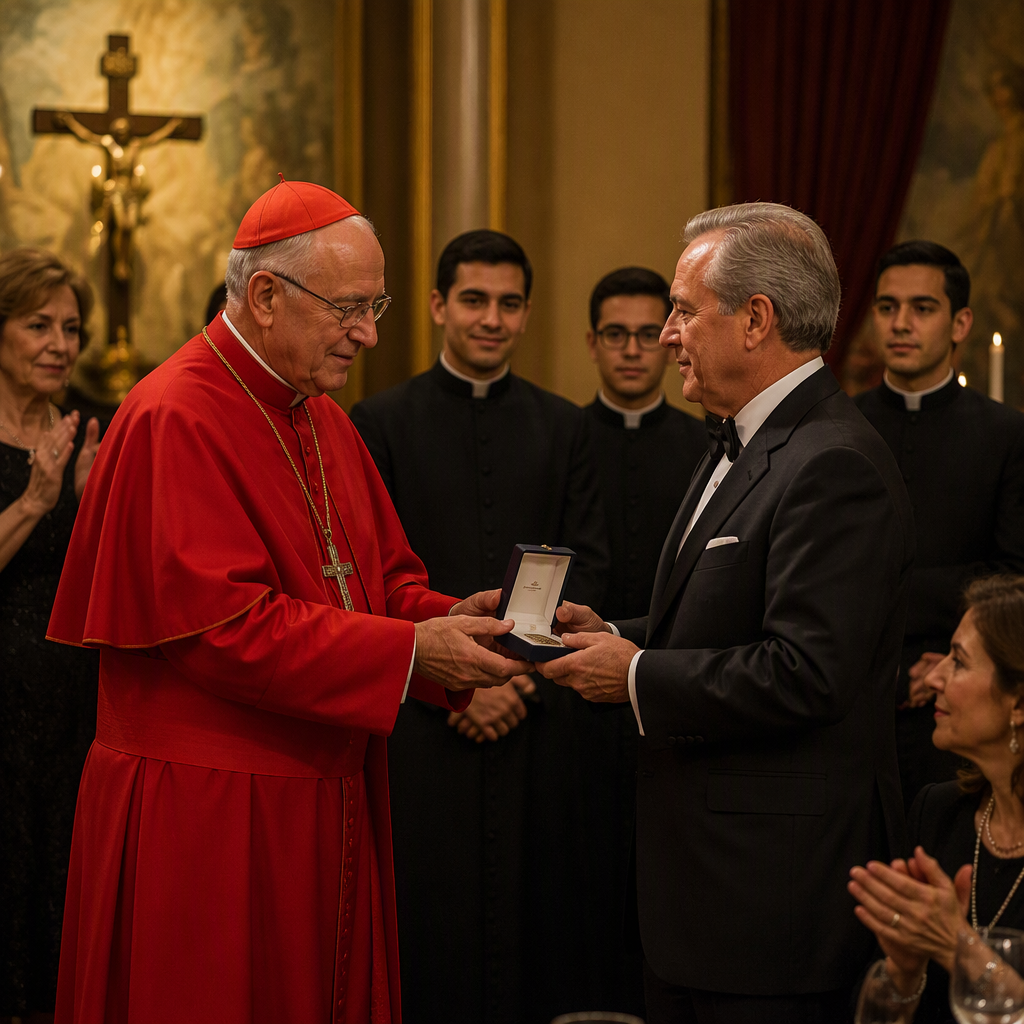
Cardinal Blase Cupich, Archbishop of Chicago, has come under intense scrutiny after the archdiocese presented a civic honor during an annual gala dedicated to funding seminarian education. Critics quickly pointed out that the recipient and their affiliated philanthropic foundation have substantially funded organizations that provide and advocate for abortion access, directly contradicting core Catholic teachings on the sanctity of human life.
Also read: Ted Bundy Linked to Another Homicide Decades After Execution
Why the Chicago Cardinal Sparks Controversy Among Faithful
The dispute centers on an annual benefit dinner organized to generate financial backing for men studying for the priesthood. While the primary mission of the gathering was to celebrate vocations and secure funding for seminaries, the archdiocese chose to spotlight a prominent local philanthropist known for broad civic engagement.
Shortly after the announcement and presentation, watchdog groups and Catholic pro-life organizations examined public financial disclosures. They documented substantial philanthropic contributions from the honoree’s family foundation to major reproductive rights organizations, including Planned Parenthood and regional abortion funds.
For many traditional and conservative Catholics, honoring a donor with extensive ties to abortion access at an event explicitly meant to form future Catholic priests crossed a red line. Under Catholic canon law and longstanding Vatican guidance, church institutions are expected to avoid conferring public honors upon individuals who actively promote policies or practices contrary to fundamental moral doctrine.
Archdiocese Responds to the Growing Criticism
Officials from the Archdiocese of Chicago defended the decision, describing the recognition as an acknowledgment of broader civic contributions rather than an endorsement of every cause supported by the honoree. Representatives emphasized that the gala’s core objective remains unchanged: providing necessary resources for seminarians preparing for pastoral ministry.
Supporters of Cardinal Cupich argued that Catholic leaders must engage with civic and philanthropic communities to foster dialogue across ideological divides. They maintained that recognizing secular philanthropy in areas such as education, urban poverty relief, and community development does not imply church approval of separate, unrelated donations.
However, critics counter that honoring donors with ties to abortion causes creates public scandal and blurs the Church’s moral witness. Pro-life leaders noted that the Catholic Church identifies abortion as a grave moral evil, meaning public honors should not be extended to benefactors financing such procedures.
National Reactions and Broader Tensions
The incident reflects ongoing theological and pastoral rifts within the American Catholic Church. On one side, conservative bishops and lay organizations advocate for strict enforcement of moral consistency, calling for public figures and institutions to be held accountable to church teaching.
On the other side, more pastoral and progressive prelates favor an approach centered on civic engagement and broad cultural presence. This divide frequently surfaces in debates over Catholic universities inviting pro-choice commencement speakers, hospitals merging with secular health systems, and politicians receiving communion.
Several national Catholic advocacy groups have called on the archdiocese to implement stricter vetting procedures for future awards. They argue that honoring individuals connected to abortion rights weakens the Church’s message just as it seeks to recruit and inspire a new generation of orthodox clergy.
What Happens Next
The fallout from the gala is expected to prompt renewed debates during upcoming meetings of U.S. Catholic bishops regarding vetting standards for archdiocesan honors and benefactors. Local Catholic donor networks and pro-life student groups are also organizing petitions asking the archdiocese to clarify its donation and recognition policies.
Church observers will watch closely to see whether the archdiocese amends its criteria for future fundraising events. While diocesan leaders continue their drive to fund seminarian training, the decision demonstrates how quickly fundraising and civic honors can ignite national debate, even as the Chicago cardinal sparks controversy over the intersection of civic philanthropy and Catholic moral teaching.