
Top Prosecutor Faces Scrutiny in Cornell Sex Assault Case Fight
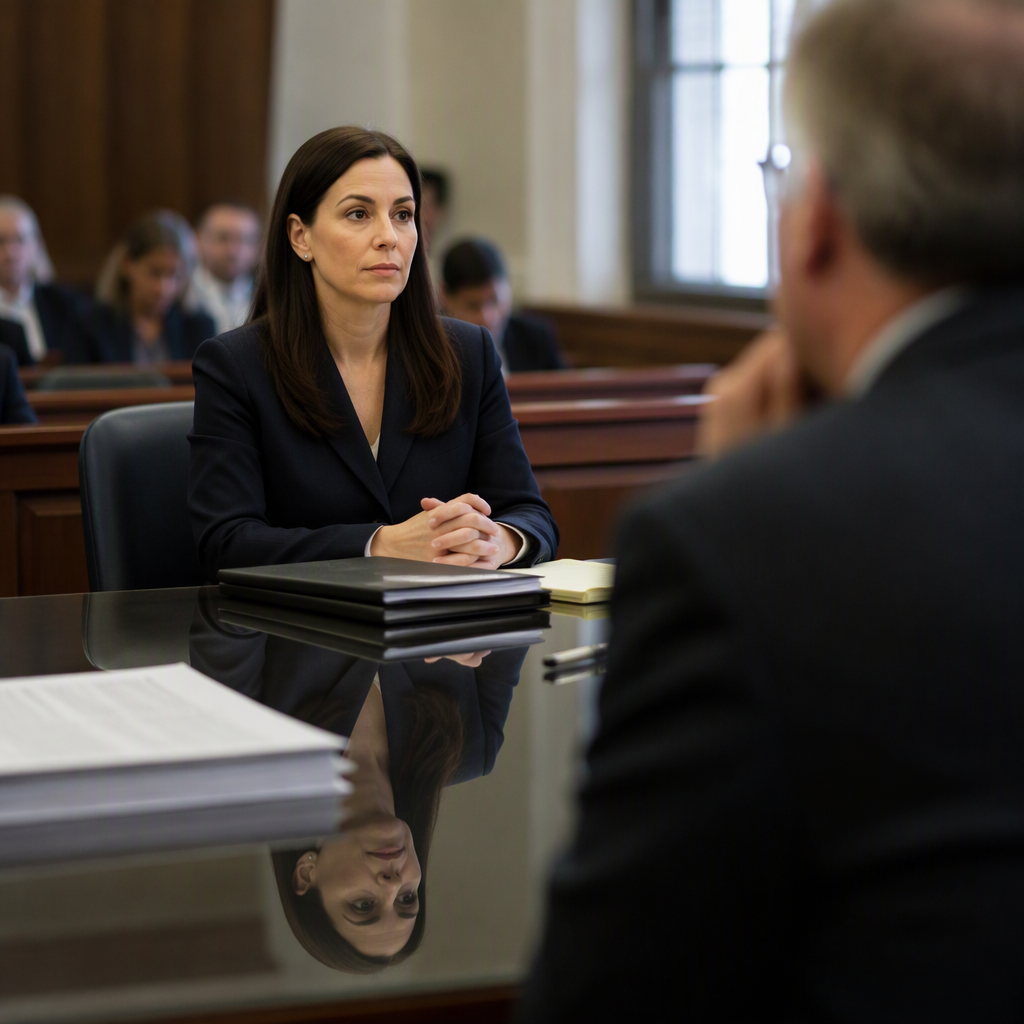
A contentious legal battle has intensified as defense attorneys move to turn a top prosecutor’s past public statements against her in a high-profile Cornell sex assault case. Defense counsel argues that prior remarks and published viewpoints demonstrate potential bias, raising questions about procedural fairness and the standard of impartiality expected from the prosecution.
The controversy centers on whether comments made before or during the handling of campus sexual misconduct allegations compromise the prosecution’s duty to administer neutral justice. The defense team has submitted formal filings asking the court to examine these earlier remarks, asserting they could undermine the integrity of the proceedings.
Also read: Alexander Brothers Sentenced to 30 Years in Prison in Major Sex Trafficking Case
Defense Scrutiny Mounts in Cornell Sex Assault Case
Defense attorneys representing the accused argue that the prosecutor’s recorded words reveal an ideological predisposition toward allegations of campus sexual misconduct. By highlighting previous speeches, interviews, or public writings, the defense claims that the prosecutor prejudged key aspects of the investigation rather than evaluating the evidence without preconception.
In criminal proceedings, prosecutors hold vast discretionary power and are bound by ethical mandates to seek justice rather than merely secure convictions. Defense motions assert that when a prosecutor publicly commits to specific narratives on campus assault cases, that public stance risks prejudicing a defendant’s right to due process and an impartial trial.
Legal counsel has seized on these statements to pursue multiple avenues of relief, including potential motions for disqualification, requests for a special prosecutor, or efforts to limit the scope of prosecution arguments presented to a jury.
Prosecution Rebuffs Claims of Bias and Prejudgment
The prosecution maintains that the defense’s arguments mischaracterize standard professional commentary and advocacy. Representatives for the district attorney’s office assert that general remarks regarding victim advocacy, legal reform, or the prosecution of sexual violence do not establish individual bias against any specific defendant.
Prosecutors emphasize that charges in the case were brought based strictly on the factual evidence gathered during law enforcement investigations, rather than personal sentiment. Under established legal precedent, courts typically grant broad latitude to elected and appointed prosecutors to express policy stances unless direct, material evidence shows personal animus or an actual conflict of interest regarding the defendant on trial.
High Stakes for Campus Justice and Due Process
The legal clash underscores a long-standing tension between rigorous enforcement in campus sexual assault allegations and strict adherence to constitutional due process protections. Cases emerging from university environments, particularly elite institutions like Cornell University, often draw intense media scrutiny and community pressure.
Legal scholars point out that public officials frequently walk a fine line when addressing sensitive campus climate issues while simultaneously managing active dockets. When public rhetoric collides with courtroom procedures, judges must balance a public official’s right to speak on policy matters against a defendant’s constitutional guarantee of a fair and untainted trial.
What Happens Next
The presiding judge is expected to review the defense filings and the prosecution’s formal rebuttal in an upcoming hearing. Key procedural steps ahead include:
- Judicial Review of Filings: The court will determine whether the prosecutor’s recorded remarks warrant an evidentiary hearing on potential bias or recusal.
- Evidentiary Rulings: The judge will rule on whether any public commentary by the prosecution team can be cited during trial or pretrial hearings.
- Trial Scheduling: If the defense motion to disqualify or reassign the case is denied, proceedings will move directly toward jury selection and trial.
Conclusion
The escalating dispute highlights how public statements can resurface to shape critical courtroom strategies in high-stakes criminal litigation. As both sides prepare for the judge’s impending ruling, the outcome of this dispute could influence not only the trajectory of this specific Cornell sex assault case, but also how prosecutors across the region balance public advocacy with courtroom neutrality.