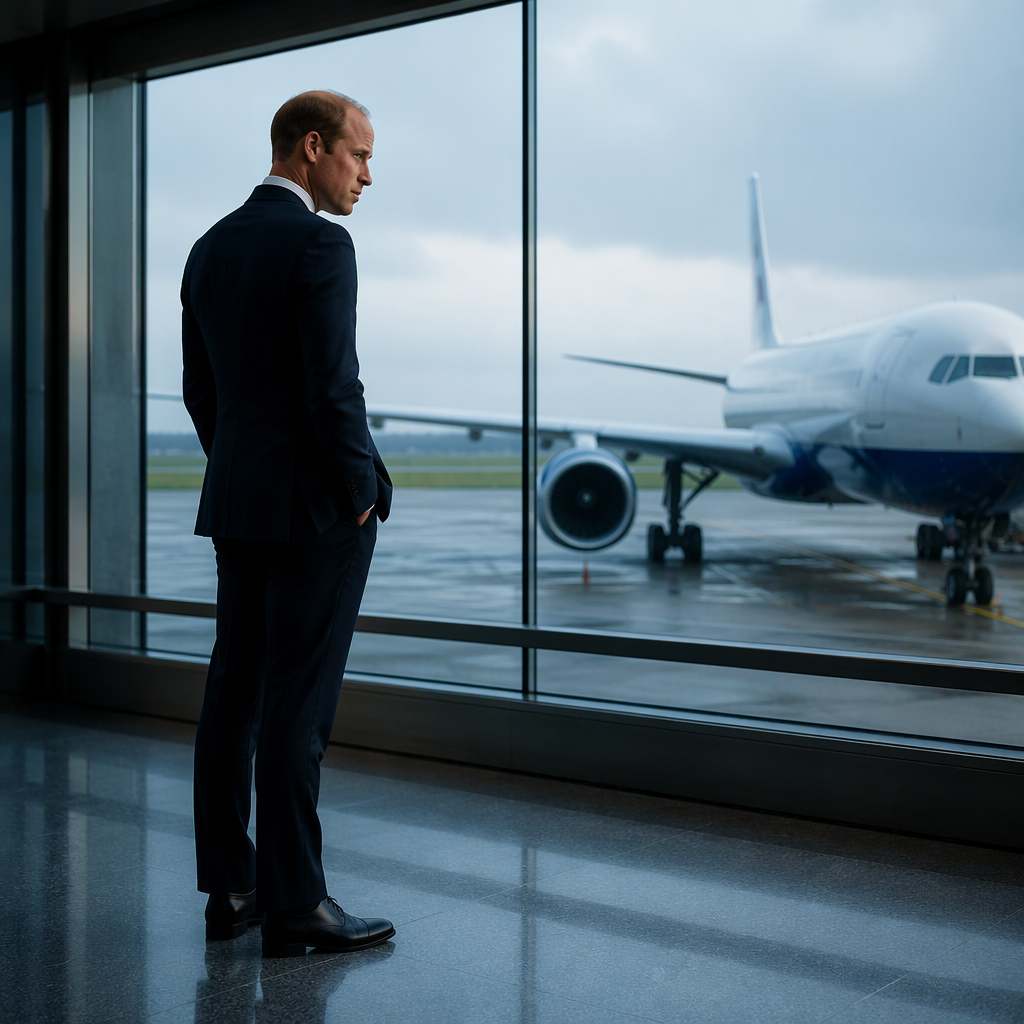

Prince Andrew Jeffrey Epstein Link Leaves Duke ‘Petrified’ of US Visit, Expert Claims
The fallout from the Prince Andrew Jeffrey Epstein link continues to cast a long shadow over the British royal family, with a prominent royal commentator claiming the disgraced Duke of York is now “petrified” to set foot on American soil due to potential legal repercussions.
Prince Andrew, who stepped back from public royal duties in late 2019 following a disastrous BBC Newsnight interview regarding his ties to the late convicted sex offender, has largely retreated from public life. While he settled a civil sexual abuse lawsuit brought by Virginia Giuffre out of court in 2022 without admitting liability, legal experts and royal observers suggest his exposure in the United States remains a major hurdle.
Also read: How to Register for a BBC Account: Step-by-Step Guide and Key Features
How the Prince Andrew Jeffrey Epstein Link Restricts His Travel
According to royal author and biographer Andrew Lownie, the Duke of York is intensely aware of the risks involved in traveling across the Atlantic. Commentators point out that while the civil case with Giuffre was resolved, federal authorities in the United States have previously expressed an interest in interviewing Andrew as a potential witness in the broader sex-trafficking investigation surrounding Epstein and his associates.
“He is petrified of going to America,” Lownie recently noted, explaining that any entry into U.S. jurisdiction could trigger subpoenas or formal requests for depositions by law enforcement agencies or legal representatives representing other victims.
Without the protection of diplomatic immunity, foreign nationals can face legal summons or grand jury inquiries upon entering U.S. territory. For Prince Andrew, stepping off a commercial or private flight onto U.S. soil could reignite intense legal scrutiny that Buckingham Palace has spent years attempting to quell.
Ongoing Legal Vulnerabilities and Unsealed Documents
The unsealing of hundreds of court filings related to Epstein over the past year has repeatedly brought Prince Andrew’s conduct back into international headlines. Although the unsealed records did not introduce new criminal charges against him, they refreshed public awareness of his long-standing friendship with Epstein and socialite Ghislaine Maxwell, who is currently serving a 20-year federal prison sentence.
U.S. federal prosecutors in the Southern District of New York previously stated that they had sought Andrew’s cooperation as a witness, claiming he provided “zero cooperation”—an assertion his defense team strongly contested at the time. Nevertheless, the threat of being served with legal paperwork or detained for questioning remains a real concern for his advisory circle.
King Charles and the Royal Family’s Stance
Back in the United Kingdom, King Charles III has maintained a firm stance on his younger brother’s public role. Prince Andrew was stripped of his honorary military titles, royal patronages, and the style of “His Royal Highness” (HRH) during the reign of the late Queen Elizabeth II.
King Charles has reportedly urged Andrew to downsize his living arrangements, encouraging him to vacate the 30-room Royal Lodge in Windsor Great Park. While the Duke still attends private family gatherings, such as Christmas Day church walks at Sandringham, there is no official path for his return to frontline royal duties.
What Happens Next for the Duke of York?
Industry analysts believe Prince Andrew’s international travel will remain strictly confined to countries where extradition treaties or private legal actions pose minimal risk. Visits to major Western allies, particularly the United States, are effectively off the table for the foreseeable future.
As long as the Prince Andrew Jeffrey Epstein link remains an active topic in international courts and the court of public opinion, the Duke of York is expected to remain largely secluded in the UK, shielded from American process servers and federal investigators.




1 Comment
Comments are closed.