
The Secret Paparazzi Images That Shocked the Royal Family: A History of Royal Privacy Battles
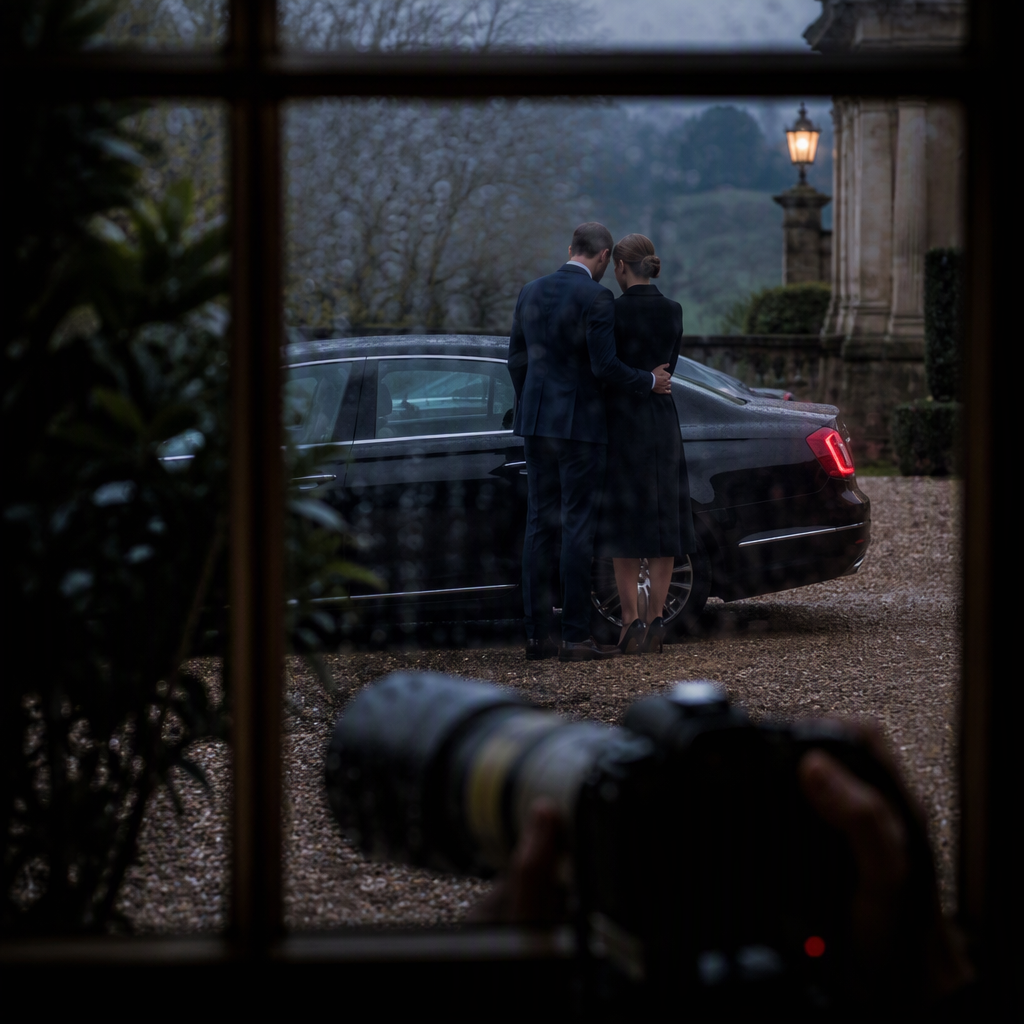
For decades, the boundary between public interest and private life has been a persistent battleground for the British monarchy. While official engagements draw global broadcast coverage, covert intrusions into private estates and holidays have often crossed legal and ethical thresholds. Over modern history, secret paparazzi images that shocked the Royal Family have repeatedly triggered public outrage, prompted decisive court battles, and fundamentally restructured how the royal household manages its privacy.
Historic Incidents: Secret Paparazzi Images That Shocked the Royal Family
The pursuit of unauthorized royal photography reached significant flashpoints during the late 20th and early 21st centuries. In August 1992, photographs surfaced showing Sarah, Duchess of York, sunbathing at a private villa in Saint-Tropez alongside financial adviser John Bryan. The telephoto images were captured from considerable distance without her knowledge, sparking intense Palace embarrassment and accelerating her separation from Prince Andrew.
Also read: Jessie James Decker Shares Secret Sauce Behind Family Traditions, Food, and Faith
In November 1993, the press published covert photographs of Diana, Princess of Wales, exercising inside an upscale London gym. A gym owner had secretly installed a hidden camera in the ceiling to record the Princess unawares. Princess Diana responded with unprecedented legal action against the owner and publisher, eventually reaching a confidential settlement that established strict boundaries around commercial surveillance of public figures in private facilities.
The issue re-emerged on an international scale in September 2012, when French magazine Closer published long-lens photographs of the Duchess of Cambridge (now Princess of Wales) sunbathing on the terrace of the private Château d’Autet in Provence. The photographs, taken from hundreds of yards away, caused swift Palace condemnation, drawing direct comparisons to the invasive press tactics that plagued Princess Diana leading up to her death in Paris in 1997.
Legal Repercussions and the Death of “Never Complain, Never Explain”
The 2012 French villa photos marked a permanent shift away from the traditional royal policy of stoic silence. Prince William and the Royal Family pursued immediate criminal and civil proceedings through the French legal system.
In 2017, a court in Nanterre, France, ruled decisively in favor of Prince William and Catherine. The judges convicted two agency photographers and two senior magazine executives of privacy invasion, ordering them to pay maximum criminal fines and awarding the royal couple over €100,000 in damages. The ruling sent a definitive warning to paparazzi agencies that commercial exploitation of private moments would meet stiff legal sanctions across European jurisdictions.
In the United Kingdom, following the 2011–2012 Leveson Inquiry into press ethics, British media largely declined to purchase or publish illicit long-lens images of royal family members in private settings. The Independent Press Standards Organisation (IPSO) codified clearer regulations against harassment, persistent pursuit, and photographing individuals on private property where there is a reasonable expectation of privacy.
Technological Advances and New Threats to Palace Privacy
While traditional telephoto lenses were the primary weapon of 20th-century paparazzi, digital technology has expanded the scope of surveillance. Unmanned aerial drones, satellite mapping, and high-resolution camera sensors have forced royal security teams to re-evaluate physical perimeter defenses.
In 2019, Prince Harry took legal action against photo agency Splash News after a photographer flew a helicopter low over his private residence in Oxfordshire, capturing images directly into the living room and bedroom. Splash News subsequently issued a formal apology in the High Court and agreed to pay substantial damages and legal fees, confirming that aerial surveillance inside domestic perimeters violates privacy laws.
How the Monarchy Neutralizes the Paparazzi Market
To reduce the commercial value of illicit photos, the Palace has adopted a direct-to-consumer digital strategy. Rather than relying exclusively on photo calls, royal households now regularly release official portraits—often taken by Catherine, Princess of Wales, or trusted royal photographers—directly via social media and the Royal Rota press pool.
By releasing birthday, anniversary, and milestone portraits freely to international media, the Palace significantly lowers the black-market financial incentive for paparazzi to stalk royal children at school or capture unauthorized family moments.
What Happens Next
As media platforms decentralize and artificial intelligence tools complicate verification, royal security teams and legal advisers continue to monitor digital infringement closely. While the British public maintains deep interest in royal affairs, legal precedents established over recent decades provide the Palace with powerful deterrents against intrusive photography.
The legacy left by the secret paparazzi images that shocked the Royal Family continues to guide modern media relations, ensuring that the division between public service and personal privacy remains firmly defended by law.