
Dolores Huerta, Iconic US Civil Rights and Labor Leader, Dies at 96
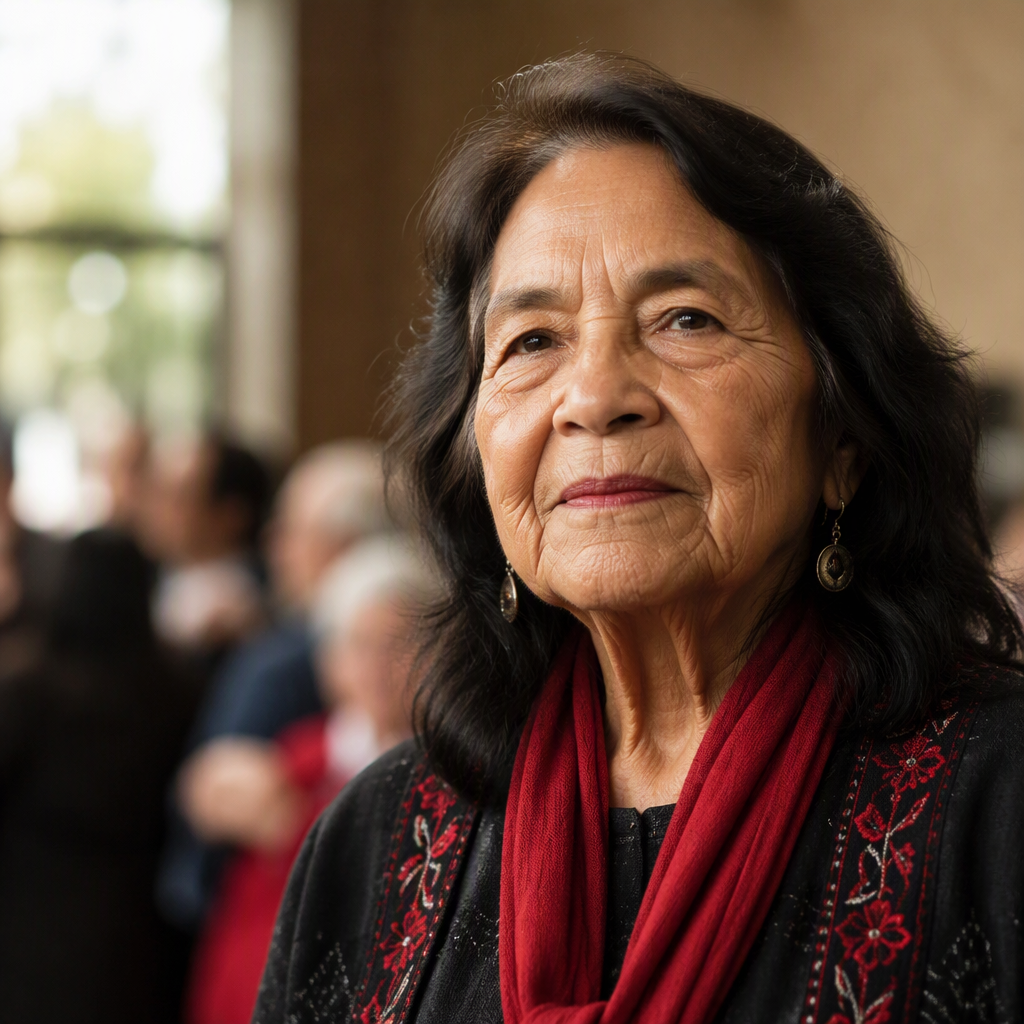
Dolores Huerta, the fearless civil rights pioneer, community organizer, and labor champion who spent more than six decades fighting for the dignity of farmworkers, women, and marginalized communities across the United States, has died at the age of 96. Her passing marks the conclusion of a monumental chapter in American social justice history.
Huerta, co-founder of the United Farm Workers (UFW) alongside Cesar Chavez, was instrumental in transforming the agricultural labor landscape. She is widely remembered not only as a master negotiator who secured landmark collective bargaining agreements, but also as the visionary who coined the world-renowned rallying cry, “Sí, se puede” (“Yes, we can”).
Also read: Dolores Huerta: Fact-Checking Death Rumors and Claims Involving César Chávez
A Trailblazer in the American Labor Movement
Born Dolores Clara Fernández on April 10, 1930, in Dawson, New Mexico, Huerta moved as a child to Stockton, California. There, her mother ran a hotel and restaurant, providing refuge and free housing for low-income farmworkers. This early exposure to the grueling realities facing migrant laborers shaped Huerta’s lifelong crusade for workers’ rights.
After working briefly as an elementary school teacher, Huerta realized she could not ignore the systemic poverty afflicting her students. “I couldn’t tolerate seeing kids come to class hungry and needing shoes,” she famously recalled. In 1955, she co-founded the Stockton chapter of the Community Service Organization (CSO), where she met Cesar Chavez.
In 1962, Huerta and Chavez established the National Farm Workers Association, which later evolved into the United Farm Workers. Defying deep-seated racial prejudices and entrenched corporate power, Huerta stepped into the role of primary contract negotiator, becoming one of the first Latina women to hold such prominence in national labor politics.
The Delano Grape Strike and the Power of Grassroots Organizing
Huerta played a central leadership role during the historic 1965 Delano grape strike, aligning Filipino and Mexican-American workers into a unified front. Recognizing the economic leverage of consumers, she spearheaded the nationwide grape boycott, convincing over 17 million Americans to stop purchasing California table grapes.
The boycott culminated in 1970 when California growers finally agreed to sign historic union contracts granting agricultural workers higher wages, healthcare benefits, and protection against harmful pesticides. Her relentless advocacy also catalyzed the passage of the California Agricultural Labor Relations Act of 1975, the first law in the nation granting farmworkers the legal right to organize and collectively bargain.
The Origin of “Sí, Se Puede” and Intersectional Advocacy
In 1972, during a 24-day water-only fast by Cesar Chavez in Phoenix, Arizona, local organizers expressed doubt that union efforts could overcome hostile state legislation. Huerta responded firmly with the phrase, “Sí, se puede.” The slogan became the defining motto of the United Farm Workers and was later adopted by political campaigns, grassroots movements, and labor unions worldwide.
Throughout her career, Huerta insisted on addressing issues at the intersection of labor, gender, and racial equality. She was an outspoken feminist within a male-dominated movement, challenging traditional gender norms and advocating for reproductive freedom, LGBTQ+ rights, and gender equity. Even after stepping down from official union leadership, she continued her community work through the Dolores Huerta Foundation, which she founded in 2002 to foster grassroots leadership in underserved rural communities.
National Recognition for Dolores Huerta
Huerta’s tireless commitment earned her numerous honors, culminating in 2012 when President Barack Obama awarded her the Presidential Medal of Freedom, the highest civilian honor in the United States. During the ceremony, President Obama acknowledged Huerta’s foundational contribution to modern organizing, jokingly thanking her for letting him borrow her famous phrase for his own historic 2008 presidential bid.
Her courage was tested repeatedly throughout her life. In 1988, Huerta survived severe injuries after being beaten by police during a peaceful protest against political candidates in San Francisco. Following her recovery, she successfully sued the city, donating the settlement proceeds to support grassroots community organizing.
Tributes and What Happens Next
Following the news of her death, tributes poured in from civil rights leaders, labor organizers, and elected officials across the nation. Fellow advocates praised her unwavering determination, moral clarity, and enduring influence on generations of social justice leaders.
Memorial arrangements and public commemorations are expected to be announced in the coming days by the Dolores Huerta Foundation and labor organizations. Advocates across the country have pledged to honor her legacy by continuing the fight for agricultural workers’ protections, voting rights, and civic empowerment.
The life and legacy of Dolores Huerta remain a testament to the power of collective action. Through her resilience, courage, and dedication, she proved that ordinary working people, when organized, possess the strength to change history.