
Federal Investigation Launched into Mysterious Freezer Failures at US Military Bases
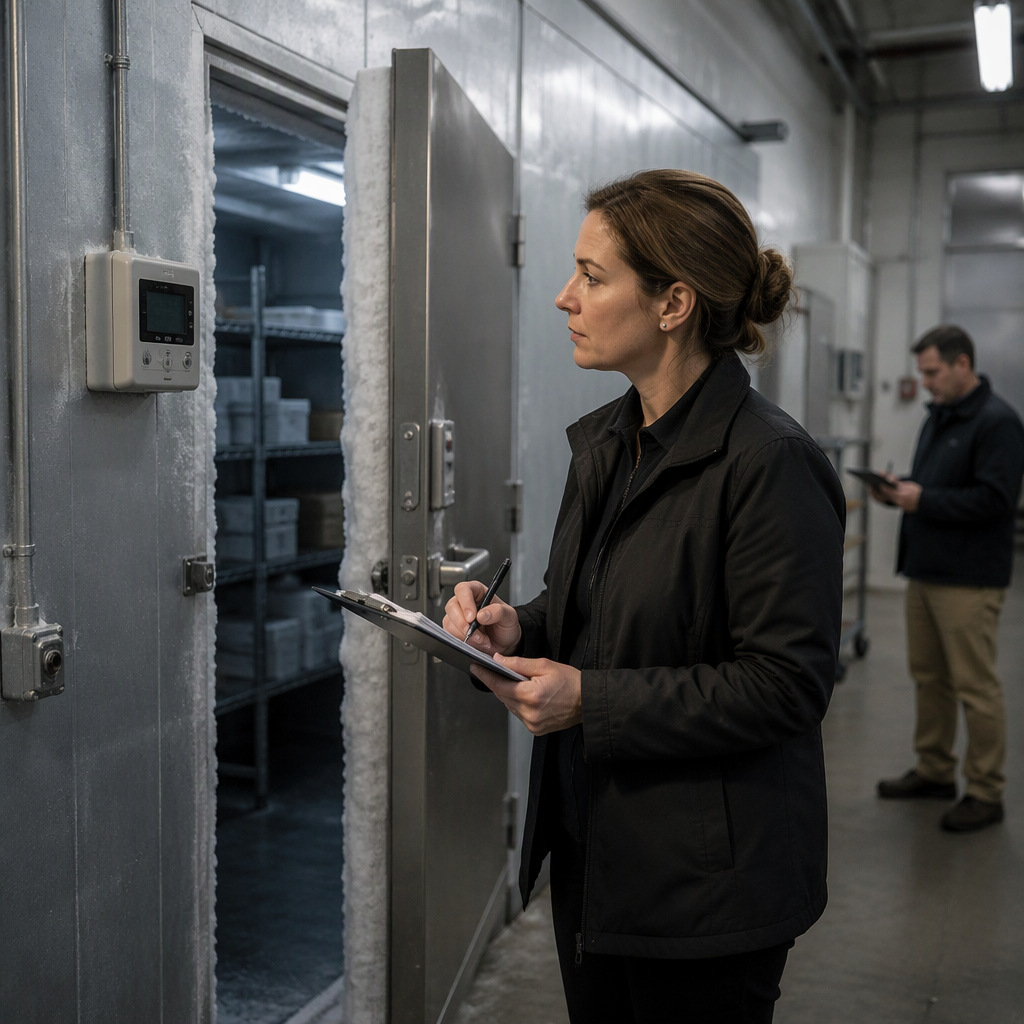
Federal authorities have initiated an expansive inquiry following a series of mysterious freezer failures at US military bases that disrupted cold-storage facilities across multiple domestic installations. The sudden breakdowns have affected medical supply reserves, research samples, and commissary provisions, prompting defense leadership and federal investigators to examine whether the incidents stem from systemic equipment flaws, grid reliability issues, or deliberate interference.
Department of Defense officials confirmed that specialized investigative teams, including personnel from the Defense Logistics Agency (DLA) and military criminal investigative organizations, are reviewing telemetry data, hardware components, and maintenance logs from affected sites. While investigators emphasize that there is no confirmed evidence of sabotage, the recurring nature of the malfunctions across geographically separated bases has elevated the matter to a high-priority federal concern.
Also read: Pennsylvania Cop Killer Suspect Eric Lewis Faces New Federal Charges
Scope of the Cold Storage Disruptions Across Military Facilities
The incidents occurred over recent months across several major Army, Air Force, and Navy installations. In each case, commercial-grade industrial walk-in freezers and ultra-low temperature storage units experienced catastrophic cooling losses without triggering standard automated fail-safe alerts.
The failures impacted several critical operations, including:
- Military Healthcare Supplies: Temperature-sensitive biological pharmaceuticals, including vaccines, antivenoms, and specialized blood products stored at military treatment facilities.
- Defense Research Samples: Long-term biological and materials research specimens at specialized military laboratories.
- Base Commissary and Mess Hall Provisions: Commercial perishable food inventories, causing temporary logistical shortages and significant financial write-offs.
Because automated monitoring systems failed to alert on-duty facilities personnel in multiple instances, staff discovered the temperature rises hours after temperatures had exceeded safe storage thresholds, rendering the contents unusable.
Key Focus Areas of the Federal Investigation
The federal task force is pursuing several primary avenues of inquiry to determine the root cause of the disruptions.
Supply Chain and Component Integrity
Investigators are scrutinizing recent procurement batches of digital control units, thermostats, and compressor assemblies. Officials are verifying whether sub-tier suppliers provided substandard or counterfeit replacement parts that prematurely failed under standard operational loads.
Cybersecurity and Networked Environmental Controls
Modern military industrial refrigeration systems increasingly rely on networked Supervisory Control and Data Acquisition (SCADA) and building automation software. Cybersecurity specialists are conducting forensic audits on base facility networks to assess whether unauthorized external access, firmware bugs, or compromised software updates disabled the warning mechanisms.
Power Fluctuations and Environmental Stressors
Technical teams are also analyzing local electrical distribution data. Officials want to determine whether regional power surges, unrecorded voltage sags, or localized infrastructure aging could have knocked sensitive digital controllers offline without tripping conventional circuit breakers.
Addressing Freezer Failures at US Military Bases: Immediate Defense Countermeasures
In response to the recurring outages, defense officials have directed installation commanders to implement emergency safeguards. Base engineering units have deployed standalone, battery-backed temperature loggers that operate independently of central base networks.
Additionally, logistics managers have stepped up manual inspection rounds at medical storehouses and command commissaries. Facilities management teams are running diagnostics on backup generators and reviewing vendor service contracts to ensure technical response teams can deploy immediately when anomalies occur.
What Happens Next
Federal investigators are expected to deliver an interim technical assessment to Pentagon leadership and congressional defense committees in the coming weeks. Lawmakers on the House and Senate Armed Services Committees have requested briefings on the financial losses and any potential readiness impacts.
If the inquiry reveals defective manufacturing or counterfeit electronic components within the military supply chain, federal prosecutors and procurement officials could issue broad recall notices and pursue contractual sanctions against responsible defense contractors.
Conclusion
The recurring freezer failures at US military bases represent both a logistical vulnerability and a potential threat to operational readiness. As federal agencies deepen their investigation, military officials remain focused on identifying the root cause, hardening critical infrastructure, and safeguarding military supplies against future disruptions.


1 Comment
Comments are closed.