
Mysterious Freezer Failures at US Military Bases Trigger Federal Investigation
Federal officials have launched a comprehensive inquiry following a wave of unexplained freezer failures at US military bases nationwide. The incidents, which have reportedly affected several defense installations over recent weeks, compromised specialized temperature-sensitive materials, including critical medical countermeasures, biological research specimens, and perishable commissary supplies.
The Department of Defense, working in tandem with federal oversight agencies, is treating the disruptions with heightened urgency. While initial assessments pointed to localized infrastructure malfunctions, the pattern and timing across geographically separated facilities have prompted investigators to widen their scope to evaluate supply chain vulnerabilities, mechanical defects, and potential network tampering.
Also read: Pennsylvania Cop Killer Suspect Eric Lewis Faces New Federal Charges
Scope and Impact of the Freezer Failures at US Military Bases
The cold storage disruptions emerged across multiple branches of the armed forces, striking logistics hubs, medical centers, and research facilities. Ultra-low temperature (ULT) freezers—designed to maintain environments between minus 70 and minus 86 degrees Celsius—experienced sudden, unmonitored temperature spikes. In several instances, automated alert systems failed to notify maintenance crews before temperatures reached critical thresholds.
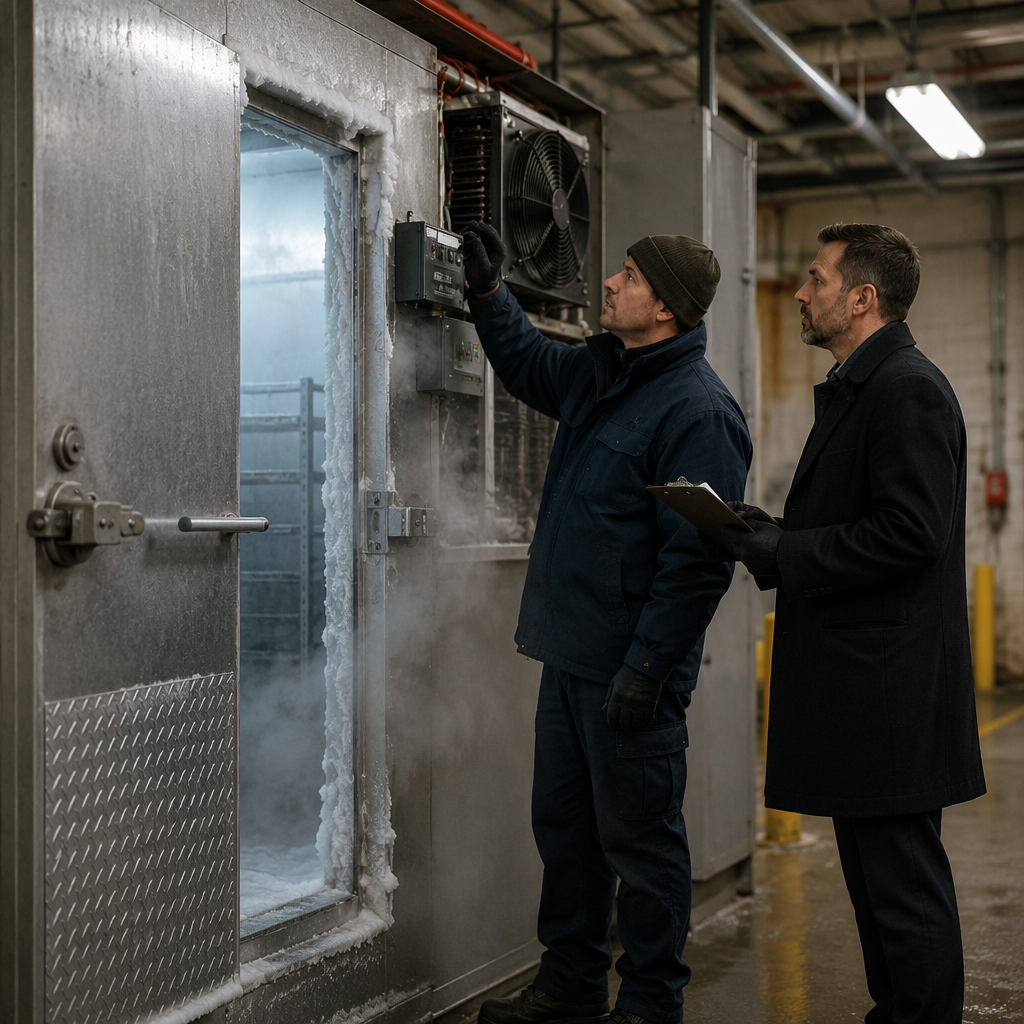
Military medical personnel rely heavily on these specialized refrigeration units to preserve vaccines, blood plasma, specialized pharmaceuticals, and diagnostic reagents required for force readiness. Outside medical depots, walk-in cold storage facilities supporting base commissaries and field ration storage also reported simultaneous power drops or compressor shutdowns, raising concerns over operational disruptions.
Although military spokespersons have stated that overall defense readiness remains intact, the financial and logistical loss of high-value scientific and medical assets has made the breakdown a top priority for defense leadership.
Potential Causes Under Scrutiny: Hardware, Power, or Cyber Threats?
Investigators are examining three primary hypotheses to determine why the systems failed in close succession:
1. Common Equipment or Manufacturing Defects
Logistics specialists are reviewing federal procurement records to establish whether the impacted installations received industrial refrigeration units or digital controllers from the same manufacturing batch. A faulty component, degraded coolant line, or defective sensor could explain localized equipment breakdown across multiple bases.
2. Base Infrastructure and Power Grid Fluctuation
Aging electrical systems and backup generator failures are another focus of the review. Investigators are analyzing power quality and microgrid switches to verify whether power surges or frequency drops triggered protective lockouts in sensitive cooling compressors.
3. Digital Monitoring Systems and Cybersecurity
Modern military environmental control systems rely on automated supervisory control and data acquisition (SCADA) networks. Investigators from military cyber defense commands are evaluating whether the failures were accompanied by cyber disruptions, firmware update bugs, or unauthorized network intrusions targeting Internet of Things (IoT) temperature sensors.
Federal Agencies Mobilize Multi-Pronged Probe
Multiple agencies are actively coordinating the response. Investigators from the Defense Logistics Agency (DLA), the Armed Forces Health Surveillance Division, and military criminal investigative organizations have been dispatched to inspect compromised equipment on site.
Technical teams are impounding digital logs, firmware images, and hardware components for forensic examination. Independent civilian engineers and industrial refrigeration contractors have also been engaged to provide third-party validation of early technical findings.
Congressional defense committees have requested an immediate briefing on the matter, signaling growing scrutiny on Capitol Hill regarding infrastructure maintenance and cold-chain security across the defense enterprise.
What Happens Next
In response to the incidents, base commanders across all military services have been ordered to conduct immediate manual inspections of all cold-chain and temperature-monitoring assets. Backup protocols, including independent battery-operated telemetry and redundant refrigeration units, are being deployed to prevent further asset loss.
A preliminary federal report detailing the root causes of the freezer failures at US military bases is expected to be delivered to Pentagon leadership and congressional oversight committees in the coming weeks. Until findings are confirmed, military installations remain on heightened alert to safeguard vital cold storage infrastructure.