
Helicopter Collision Near Mt Everest Captured on Camera Sparks Safety Concerns
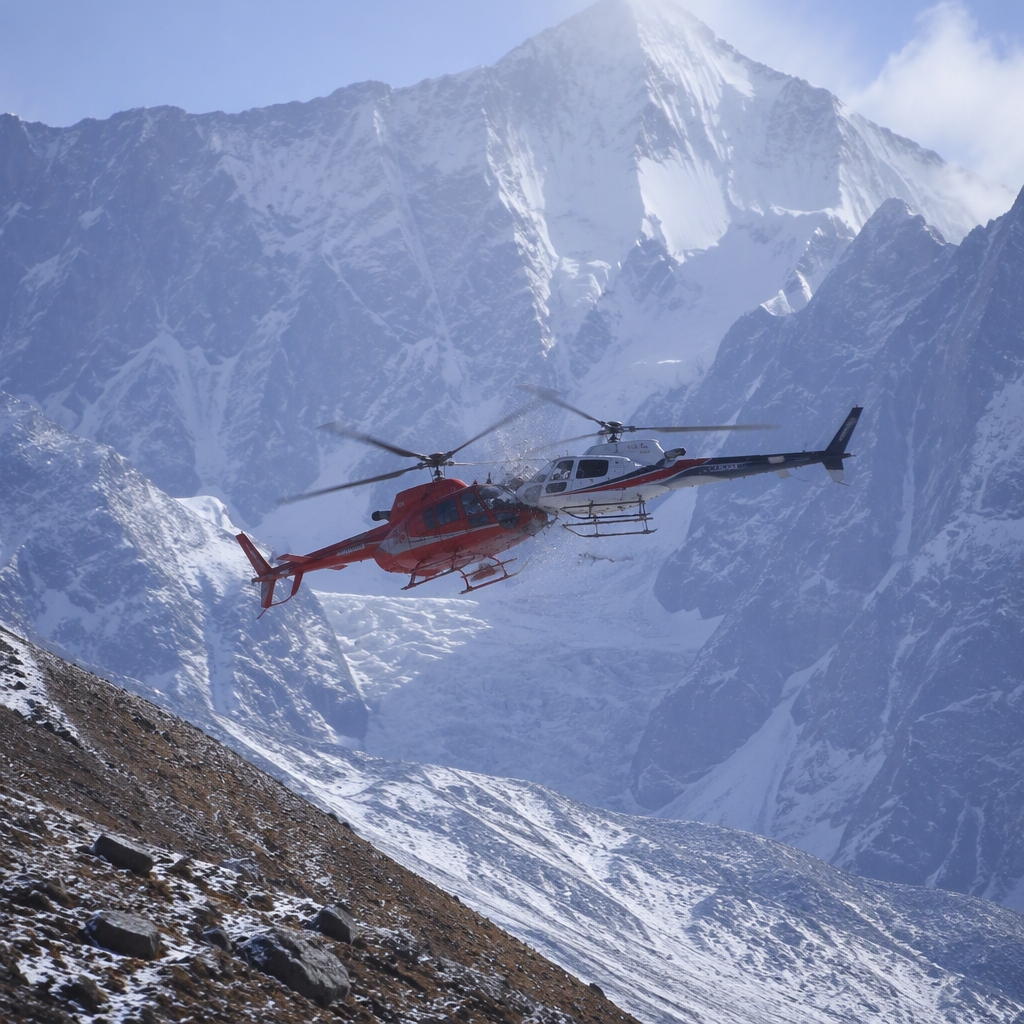
A shocking helicopter collision near Mt Everest has been captured on camera, underscoring the extreme risks pilots face operating in Nepal’s treacherous Himalayan airspace. Video footage circulating widely across digital platforms reveals the terrifying moments surrounding the ground-level impact, drawing renewed scrutiny toward aviation protocols in one of the most perilous flying environments on Earth.
The incident occurred in the Khumbu region, the primary gateway for mountaineers and trekkers heading toward Mount Everest. High-altitude operations in this sector rely heavily on chartered helicopters and light aircraft to transport visitors, gear, and critical medical supplies between remote landing zones and Lukla’s Tenzing-Hillary Airport.
Also read: Watch: CCTV Footage Shows Gunmen Near Church in Jordan
Dramatic Footage Details the Moment of Impact
The circulating video, captured by airport surveillance and eyewitness cameras, shows an aircraft suddenly losing alignment during ground maneuvers and colliding with a parked helicopter situated near the helipad. The force of the impact sheared rotor assemblies, sending debris scattering across the tarmac and forcing ground crew members to scramble for safety.
Emergency responders and local security personnel moved swiftly to contain the resulting fire hazard and administer aid to those on board. Local authorities confirmed that emergency medical teams evacuated the injured to regional medical facilities for immediate stabilization before transferring severe cases to Kathmandu.
High-Altitude Aviation Challenges in the Khumbu Region
Aviation experts emphasize that operating around Mount Everest presents unmatched geographical and atmospheric challenges. Airports and helipads throughout the Solukhumbu district sit at altitudes exceeding 9,000 feet, where thin air significantly compromises engine performance and rotor aerodynamics.
Key risk factors that complicate flight safety in the Everest region include:
- Unpredictable weather systems: Mountain winds, sudden cloud cover, and visibility drops can manifest within minutes.
- Extremely short runways and compact aprons: Airfields like Lukla provide minimal clearance between active taxiways and parked aircraft.
- Reduced aerodynamic lift: The high density altitude reduces aircraft responsiveness, demanding total precision from pilots during takeoff, taxiing, and landing.
Because the terrain leaves zero room for pilot error or mechanical failure, the Everest corridor maintains a history of harrowing incidents despite strict operational guidelines.
Investigation and Aviation Safety Protocols
Following the release of the video, Nepal’s civil aviation regulators initiated a formal inquiry to determine the direct cause of the collision. Investigators are examining potential mechanical failure, wind shear, and human factors that could have triggered the veer off course.
Safety regulators have faced mounting international pressure in recent years to enhance aviation oversight in Nepal. Rapid growth in commercial trekking and climbing expeditions has driven an unprecedented surge in helicopter traffic across the Khumbu valley, frequently straining ground infrastructure at regional landing pads.
What Happens Next
The Civil Aviation Authority of Nepal (CAAN) is expected to release a preliminary findings report detailing the timeline and mechanics of the crash. Industry analysts anticipate the accident could prompt tighter restrictions on apron movements, mandatory spacing between parked aircraft, and heightened operational weather minimums at high-altitude airfields.
Conclusion
The harrowing helicopter collision near Mt Everest serves as a stark reminder of the fragile balance between commercial mountain tourism and aviation safety. As global interest in the Himalayas continues to climb, regulators and operators must address pressing infrastructure limitations to ensure passenger and crew protection in the world’s most demanding skies.