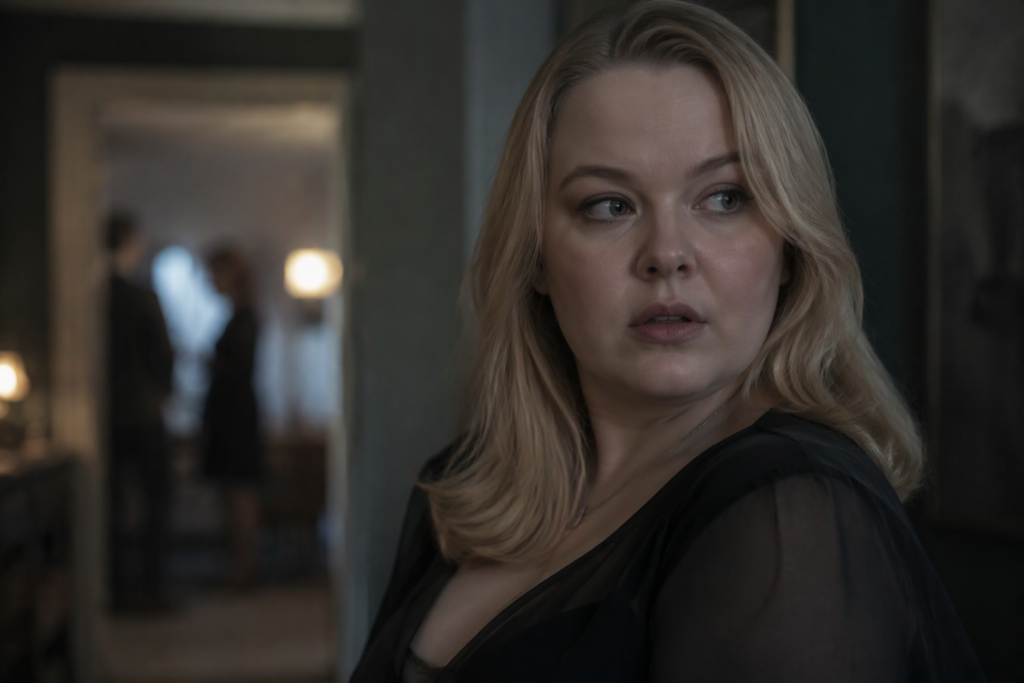
When Nicola Coughlan sat down to film the Channel 4 drama I Am Helen, she found the material so emotionally punishing that she sought professional counselling for the first time in her career. The two-part release strips away polished period costumes and easy resolutions, confronting audiences with an intimate relationship torn apart by non-consensual violence.
Co-starring Joe Cole, the drama deliberately abandons easy escapism. Instead, the story tracks the steady unraveling of an ordinary couple after a sudden boundary breach behind closed doors.
Also read: Mike Rowe Dirty Jobs Origin and Why Real TV Beat Scripted Drama
For anyone settling in for a comfortable evening on the sofa, the production offers no such relief. The cast intended every scene to force hard conversations into British living rooms.
A boundary crossed without consent
The plot of I Am Helen turns on a single, shattering breach of trust. During an intimate encounter between Helen and her partner Steve, played by Cole, Steve attempts to choke her without her consent.
Coughlan and director Dominic Savage devised the premise as a plausible fracture point between two everyday partners. It was an incident that felt grounded in reality rather than extreme crime fiction, yet severe enough to ruin the relationship’s foundation entirely.
The timing coincided directly with legal shifts in Britain. Earlier this month, the UK government banned the possession and publication of pornography depicting strangulation or suffocation, following an official review that revealed choking had become rife online and increasingly normalised among younger demographics.
Coughlan pointed out that neither she nor the production team anticipated just how immediate that debate would become while filming. The legal change directly mirrored the very power imbalance dramatised on screen.
No scripts and hour-long takes
To capture that authenticity, Savage directed the production entirely without a traditional script. Coughlan and Cole improvised their dialogue, reacting instinctively to each other over takes that sometimes stretched past an hour.
That freeform approach produced moments of genuine physical and emotional strain. During one intense exchange, Cole punched a refrigerator on set and damaged it.
“There were times that I said to Dominic if he wanted to do a third take for example – and I’ve never said this before on set – but I actually don’t think I have that in me because you hit a wall.”
Coughlan described the shoot as the most exhausting work she had ever attempted. The lack of scripted safety nets forced the actors to live inside their characters’ panic and frustration throughout every take.
How internet culture shaped Steve
Cole approached Steve not as a cartoon villain, but as a relatable man warped by online subcultures. To understand his character’s mindset, the actor spent time researching the online “manosphere.”
He looked closely at content produced by low-level bro influencers. These personalities often mix practical life advice with rigid, regressive dogmas about traditional gender expectations and female submission.
Steve wants a traditional family setup, but those rigid digital dogmas leave him confused and resentful. When real life fails to match the online rhetoric, his communication collapses into an ugly pattern of blame, explosive rows, and tearful apologies.
The production sought to show how ordinary men slip into toxic patterns without viewing themselves as monsters. Steve remains complex, which makes his actions far more disturbing for the audience.
Rejecting the violent climax
Many viewers told Coughlan they expected the two episodes to culminate in extreme bloodshed or Helen’s murder. But the creators deliberately rejected that conventional thriller ending.
Coughlan insisted that escalating the plot into homicide would allow viewers to detach from the story’s warning signs. A violent finale would let audiences assume someone should only leave an abusive partner once survival is on the line.
You do not need to wait for physical danger to reach an extreme threshold before walking away. As Coughlan argued, feeling persistent fear and discomfort inside a relationship is reason enough to end it.
I Am Helen is available to stream on Channel 4, with viewers affected by the themes directed to support services via the BBC Action Line.
Source: BBC