
Iran Awaits US Response to Latest Proposal to Reopen Hormuz Strait
Tehran has confirmed that it is awaiting an official response from Washington regarding its latest framework designed to reopen Hormuz Strait transit channels and stabilize maritime security in the Persian Gulf. Iranian officials announced that the detailed initiative, recently relayed through regional diplomatic intermediaries, sets out terms to reduce naval friction, guarantee uninterrupted commercial shipping, and address broader security concerns in the vital waterway.
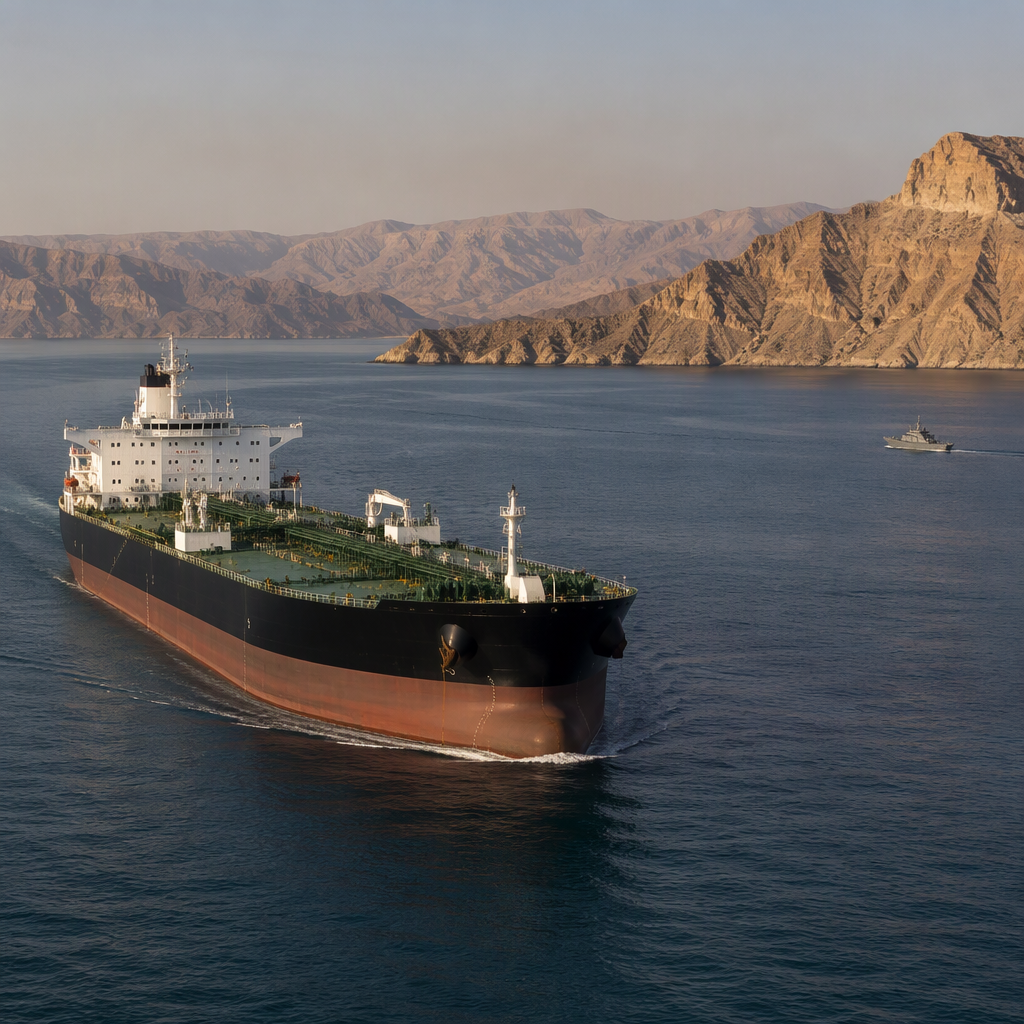
The Strait of Hormuz represents the world’s most critical maritime oil transit chokepoint. With approximately one-fifth of global petroleum consumption passing through the narrow passage daily, any disruption or diplomatic breakthrough carries profound consequences for global energy markets and international trade.
Also read: Iran Ceasefire Talks With US: Tehran Proposes Accelerated Plan Amid Middle East Crisis
Diplomatic Push to Reopen Hormuz Strait Security Channels
According to statements from Iranian diplomatic representatives, the new proposal outlines confidence-building measures intended to reopen Hormuz Strait maritime corridors to normalized commercial traffic without foreign military interference. Iranian negotiators emphasized that the document addresses core security guarantees, navigation rights, and reciprocal commitments between regional actors and Western powers.
Intermediary nations, including Oman and Qatar, reportedly facilitated the transmission of the proposal to U.S. officials. While Washington has not yet released a public assessment of the terms, diplomats familiar with the talks indicate that the package focuses on verifiable de-escalation steps, vessel safety protocols, and the management of maritime law enforcement in international waters.
Tehran maintains that sustainable security in the waterway must be established primarily by littoral states. However, Iranian officials acknowledged that direct and indirect coordination with international stakeholders remains necessary to dismantle maritime risk zones and alleviate commercial shipping uncertainties.
Global Energy Stakes and Maritime Tensions
The diplomatic initiative follows months of heightened friction across Gulf waters, where commercial tankers and merchant vessels have faced persistent risks, seizures, and increased insurance premiums. International shipping consortia have repeatedly called for coordinated solutions to secure key navigation routes linking Middle Eastern energy exporters with markets across Asia, Europe, and the Americas.
Energy analysts note that crude oil markets remain exceptionally sensitive to operational conditions within the passage. A credible framework that can reopen Hormuz Strait shipping to unhindered movement would provide immediate relief to tanker operators and help stabilize volatile benchmark crude prices.
Key Pillars of the Iranian Proposal
- Commercial Navigation Guarantees: Commitments to safeguard merchant vessels against interdiction, detention, and navigational hazards.
- De-escalation of Military Encounters: Defined rules of engagement to prevent miscalculation between regional naval forces and foreign naval patrols.
- Regional Coordination Mechanisms: Joint communication channels between coastal states to handle maritime emergencies and dispute resolution.
- Sanctions and Trade Normalization: Provisions linking transit stability with broader sanctions relief and economic access.
Washington Weighs Risks and Diplomatic Objectives
U.S. officials have consistently maintained that freedom of navigation through international straits is non-negotiable. Washington has bolstered its regional maritime presence alongside allied task forces to deter disruptions and reassure commercial fleets.
The White House and the State Department are currently reviewing Tehran’s submission alongside international partners. Analysts suggest that Washington’s deliberation hinges on whether the proposed measures offer genuine, verifiable compliance or whether they aim primarily to reduce Western naval oversight in strategic sea lanes without comprehensive security assurances.
What Happens Next
Diplomatic circles anticipate that Washington will deliver its preliminary response through the established Omani mediation channel in the coming days. The nature of the American response—whether an outright counterproposal, a conditional acceptance, or a demand for revisions—will dictate the trajectory of Gulf maritime security in the near term.
Should both parties find common ground, regional working groups could convene to formalize transit protocols. Conversely, a failure to reach an understanding could prolong naval standoffs and sustain elevated risk ratings for international maritime commerce.
Conclusion
The announcement that Iran is waiting on Washington’s decision underscores the fragile state of Gulf diplomacy. As international stakeholders watch closely, the outcome of this proposal to reopen Hormuz Strait channels safely will serve as a key indicator for regional stability, global energy security, and the future of maritime engagement in the Middle East.