
Killer Escapee Abandoned Getaway Truck May Reveal Next Move, Retired FBI Agent Warns
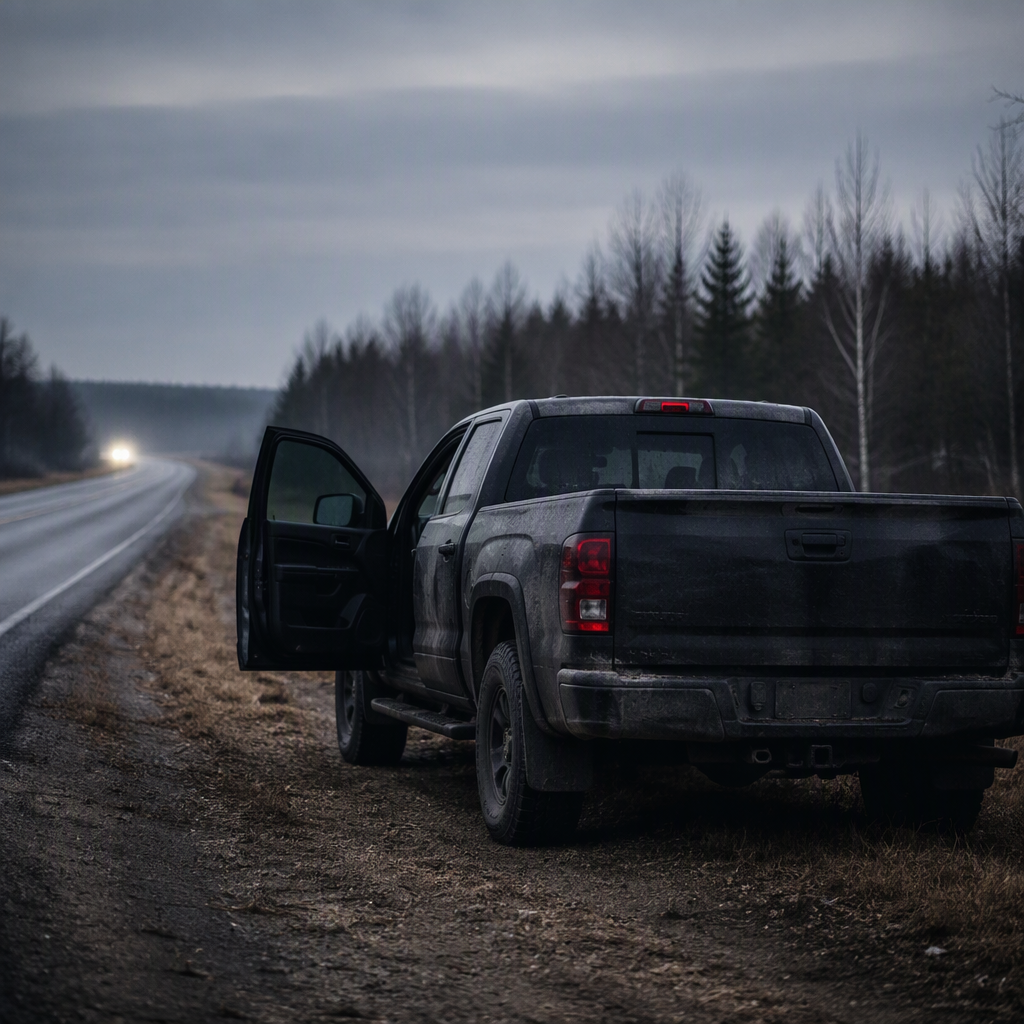
The discovery of a killer escapee abandoned getaway truck offers law enforcement a crucial turning point in an active manhunt, according to a retired FBI special agent analyzing the fugitive’s behavioral patterns and logistical vulnerabilities.
When an escaped convict ditches a vehicle, investigators do not simply view it as an abandoned piece of evidence. Instead, behavioral analysts and tactical teams treat the site as a forensic goldmine that can expose whether the fugitive is acting out of desperation or executing a calculated, pre-planned escape route.
Also read: Pennsylvania Cop Killer Suspect Eric Lewis Faces New Federal Charges
What a Killer Escapee Abandoned Getaway Truck Reveals to Investigators
According to former federal investigators, an abandoned vehicle signals an immediate shift in the fugitive’s operational security. When an escapee leaves a vehicle behind, the decision typically stems from one of three tactical realities: mechanical failure, running out of fuel, or an intentional switch to evade law enforcement checkpoints and license-plate readers.
“A vehicle gives a fugitive speed and distance, but it also creates a massive digital and physical footprint,” explained a retired FBI special agent familiar with fugitive tracking operations. “Ditching that vehicle often means the perimeter is closing in, or the suspect is transitioning to a secondary mode of transportation, such as a second stolen vehicle, public transit, or dense wilderness cover on foot.”
Investigators immediately deploy forensic units to process the recovered vehicle for biological materials, fingerprints, personal belongings, and receipts that could pinpoint recent stops, communications, or accomplices.
Forensic Clues Inside the Abandoned Vehicle
Federal and local authorities prioritize several critical areas of inquiry when assessing a recovered getaway vehicle:
- Fuel Levels and Mechanics: Determining whether the truck broke down or was parked deliberately indicates the fugitive’s level of control over the situation.
- Left-Behind Supplies: Abandoned food, cellphones, clothing, or weapons indicate panic and hasty movement, whereas a clean sweep suggests pre-meditated evasion.
- Digital Traces: In-dash navigation systems, paired Bluetooth devices, and highway toll transponders help forensic examiners reconstruct the escape timeline minute by minute.
Assessing the Fugitive’s Next Steps
Once a fugitive shifts from vehicular travel to foot or an alternative transport method, search perimeters must adapt rapidly. Retired investigators emphasize that fugitives who lose mobility often seek immediate shelter, access to water, or opportunities to acquire another vehicle.
Rural and semi-wooded terrain presents unique challenges. While dense foliage provides concealment against aerial surveillance and thermal imaging, it severely slows down movement, exposes the fugitive to environmental hazards, and increases the likelihood of burglaries at unoccupied cabins, barns, or outbuildings.
Law enforcement agencies typically saturate the surrounding area with canine units, tactical search teams, and aerial assets while alerting local residents to secure all properties and monitor home security cameras.
What Happens Next in the Manhunt
In the coming hours, search teams will establish tighter inner and outer perimeters around the recovery site of the vehicle. Intelligence analysts will cross-reference regional surveillance footage and 911 calls reporting suspicious persons or stolen vehicles.
Understanding the implications of a killer escapee abandoned getaway truck enables authorities to narrow down search zones and anticipate the fugitive’s desperate next move before another innocent civilian is put at risk.