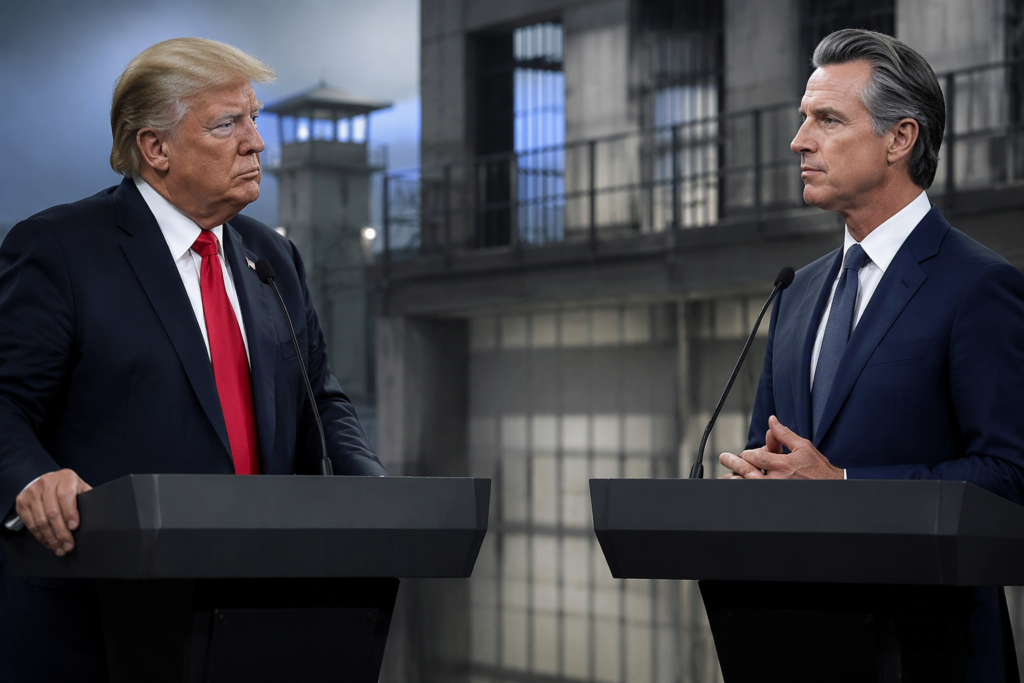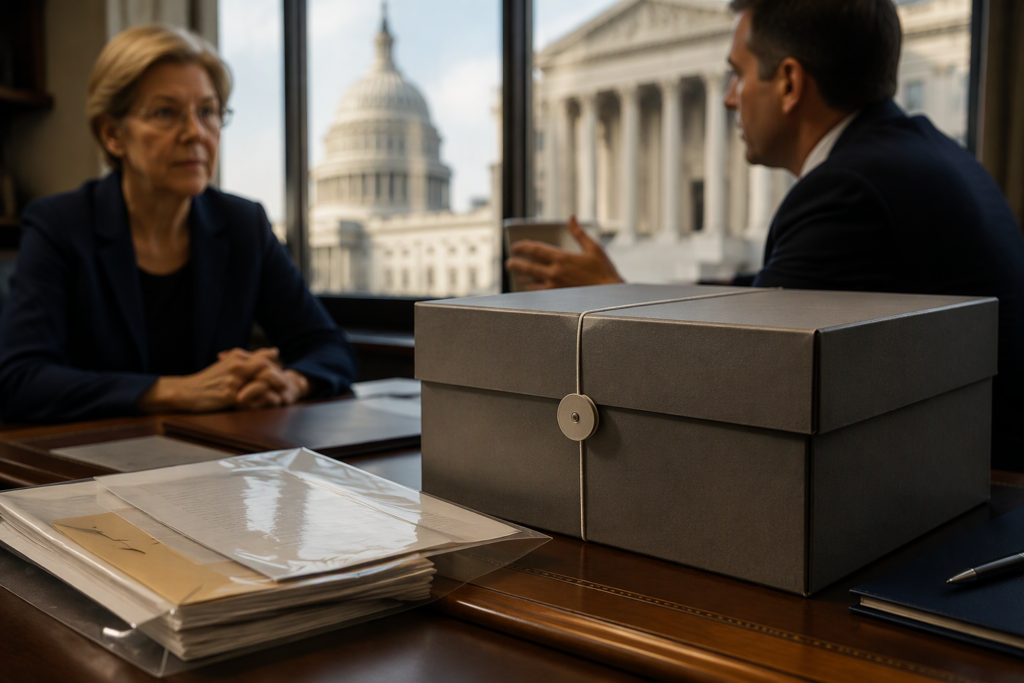
A federal prosecutor in Texas told Sen. Elizabeth Warren she could face penalties and criminal scrutiny if she fails to preserve records tied to planned inquiries into Donald Trump’s corporate allies.
The clash escalated over the weekend as a prosecutor warns Elizabeth Warren that pursuing business figures tied to the incoming administration could violate federal law. Warren will lead the Senate Banking Committee when Democrats take control of Congress in January, where she intends to look into Big Tech and Wall Street leaders.
Also read: Trump Iran Strategy Aims for Total Victory as Pressure Mounts
By invoking criminal civil rights statutes against an incoming committee chair, the Justice Department has signaled an aggressive effort to head off congressional oversight. The dispute sets up an immediate battle over how far lawmakers can go when investigating private citizens connected to the White House.
Why a federal prosecutor warns Elizabeth Warren now
Aaron Reitz, the U.S. Attorney for the Southern District of Texas, sent Warren a formal notice accusing her of planning to weaponize her upcoming committee post. In the letter, Reitz claimed the Massachusetts Democrat intended to strip Trump associates of their constitutional rights.
He pointed to her Nov. 8 appearance on CBS News’ “Face the Nation,” where Warren spoke about investigating corporate leaders who may have broken the law. Reitz argued that her prior criticisms of prominent executives, including Elon Musk, Jeff Bezos, and Mark Zuckerberg, revealed a partisan motive.
Reitz claimed that investigating Trump allies for their political alignments was illegal. He demanded immediate document preservation of all records, communications, and electronic data concerning her committee plans.
Native American tropes and civil rights statutes
The letter went beyond standard legal language. Reitz incorporated references to Native Americans in the official notice and in an accompanying social media post, reviving personal jabs that Trump and his allies have directed at Warren for years.
“You appear eager to wield your future gavel like a tomahawk, hunting for the scalps of President Trump’s private associates,” Reitz wrote.
Reitz also claimed Warren’s public remarks sent a “strong smoke signal” of bad intent and accused her of preparing to “spear” technology firms with committee action. Trump has long mocked Warren’s past claims about her Native American ancestry, often using derogatory nicknames.
Beyond the personal attacks, Reitz cited 18 U.S.C. §§ 241 and 242. These statutes criminalize conspiracies to deprive citizens of their constitutional rights under color of law. Reitz argued that any effort to suppress political association with the Trump administration breached those provisions, warning that noncompliance could trigger sanctions and other legal penalties.
A widening push against incoming committee leaders
Warren is not the only lawmaker facing pressure before January. Reitz sent similar demands to Sen. Richard Blumenthal of Connecticut and Sen. Elissa Slotkin of Michigan.
Rep. Robert Garcia, a California Democrat, received a separate letter from White House Counsel Will Scharf. Reitz noted that Warren, Blumenthal, and Slotkin had criticized tech companies for spending money to stay on good terms with Trump while benefiting financially.
The moves follow directions from Trump telling the Justice Department to examine what he labeled threatening conduct by Democrats. Attorney General Todd Blanche initially declined to rule out criminal charges against lawmakers over prospective probes.
Blanche later revised his stance, stating there were no ongoing criminal investigations into words spoken by incoming members of Congress. Even so, the preservation letters from federal prosecutors demonstrate that the administration intends to challenge Democratic oversight plans before they begin.
Speech or Debate Clause shields and the November deadline
Members of Congress usually operate with broad legal protections for their work on Capitol Hill. Under the Constitution’s Speech or Debate Clause, lawmakers cannot be questioned or prosecuted in court for legitimate legislative duties, including committee inquiries and subpoenas.
Whether that shield extends to every communication and preparatory action remains an unresolved legal question. Reitz is using the threat of civil rights statutes to test those boundaries before Democrats officially take over committee gavels.
As the prosecutor warns Elizabeth Warren of legal fallout, incoming committee chairs must decide whether to adjust their investigative scope or challenge the demands in court.
Reitz ordered Warren to confirm in writing by 6 p.m. ET on Nov. 23 that she received the warning and took steps to preserve all requested records.
Source: Fox News