
Ukrainian Evacuees Reunite With Family After Years Trapped in Russia-Occupied City
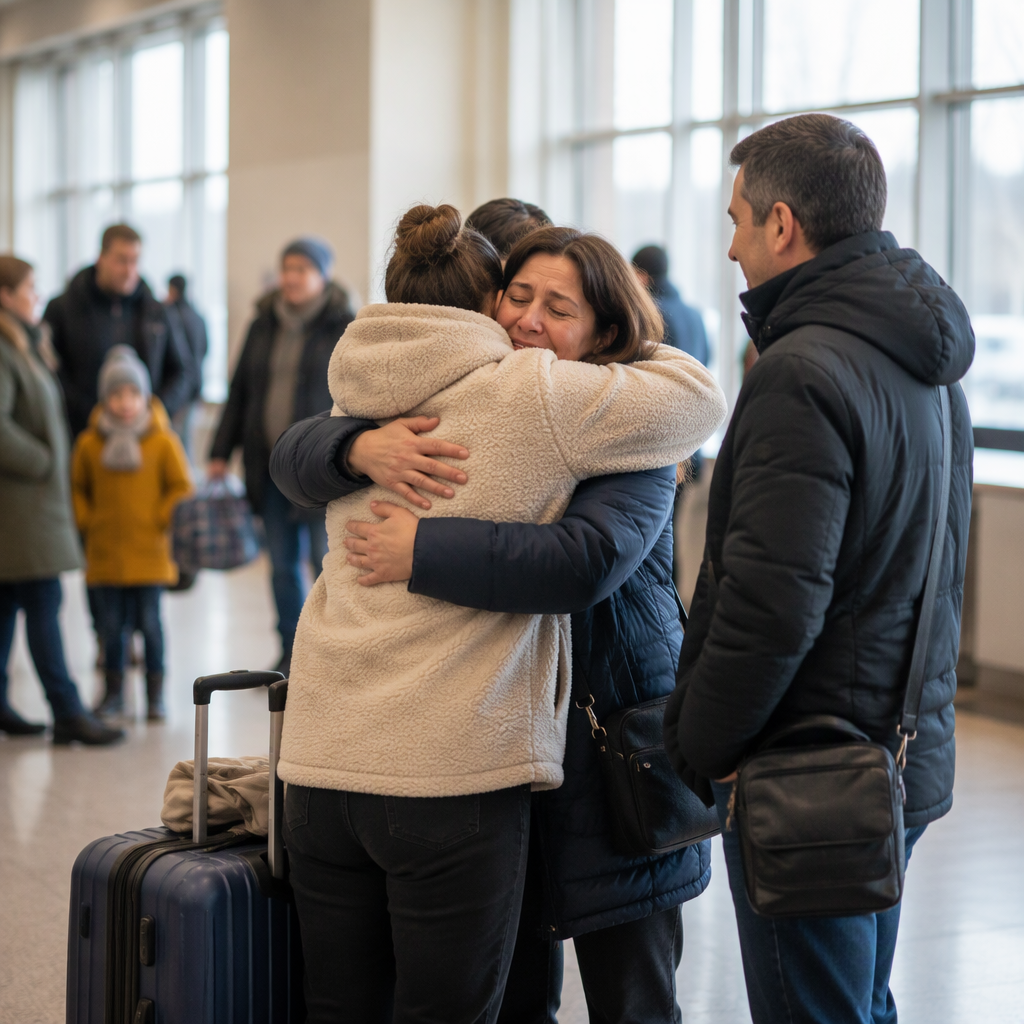
Tears, embraces, and immense relief marked an emotional gathering this week as several Ukrainian evacuees reunite with family members after enduring years trapped behind front lines in a Russia-occupied city. The arrival of the displaced civilians follows months of clandestine coordination, complex humanitarian negotiations, and perilous transit across multiple international borders.
For many separated relatives, the reunion represents the end of an agonizing period defined by severed communications, military checkpoints, and the pervasive fear of life under occupation since Moscow launched its full-scale invasion in February 2022.
Also read: Emotional Reunions as Oleshky Evacuees Reunite with Loved Ones
How Ukrainian Evacuees Reunite With Family Across Front Lines
Direct passage across active combat lines in Ukraine has remained virtually impossible for months due to intense artillery strikes and heavily fortified militarized zones. As a result, humanitarian organizations and volunteer networks have had to devise long, indirect transit corridors to facilitate escapes.
Evacuees—including elderly residents, women, and children—often travel thousands of miles through transit hubs in Russia, Belarus, or third-party European states like Latvia and Poland before finally crossing into Ukrainian-controlled territory. Each phase of the journey carries significant risks, requiring thorough security vetting, document verifications, and persistent logistics management by humanitarian partners.
“We went days without knowing whether our paperwork would pass inspection at border crossings,” said one evacuee, who asked not to be identified due to relatives still living in occupied territory. “Holding my children again in safety feels like waking up from a nightmare.”
Harsh Realities Inside Occupied Cities
Civilians arriving from occupied regions describe deteriorating living conditions marked by strict surveillance, mandatory Russian passportization, and targeted detentions. Basic public services remain strained, while access to independent news and reliable mobile connectivity has been largely eradicated.
According to international human rights monitors, Ukrainian citizens remaining in occupied territories face acute pressures to accept Russian citizenship to retain access to medical care, pensions, and property rights. Those suspected of pro-Ukrainian sympathies face heightened scrutiny, routine interrogations, and the threat of forced deportation.
These systemic pressures have prompted thousands of vulnerable residents to attempt the perilous exit, even as exit routes narrow and border restrictions tighten across Eastern Europe.
Coordinated Rescue and Relief Efforts
The successful evacuation was made possible through the collaboration of Ukrainian state agencies, international relief charities, and local volunteer networks. These groups assist evacuees with emergency transit funds, legal identification assistance, and psychological support upon arrival.
Upon reaching reception centers in government-controlled Ukrainian cities, evacuees receive immediate medical evaluations, warm meals, and temporary shelter. Social workers assist families in filing displaced person registrations and obtaining essential state benefits.
What Happens Next for Resettled Families
While the immediate relief of safety is paramount, displaced families face a demanding integration process. Long-term housing shortages, employment hurdles, and ongoing trauma present major challenges for those arriving from conflict zones.
Ukrainian local authorities and international humanitarian partners are expanding programs to provide intermediate housing, trauma counseling, and schooling for children whose education was disrupted by the war. Civil society groups continue to lobby international organizations to negotiate additional secure humanitarian corridors to bring more civilians out of Russian-held areas.
As Ukrainian evacuees reunite with family and begin the process of rebuilding their lives, their accounts provide a sobering reminder of the millions of civilians who remain isolated under foreign military occupation, waiting for their own opportunity to return home.