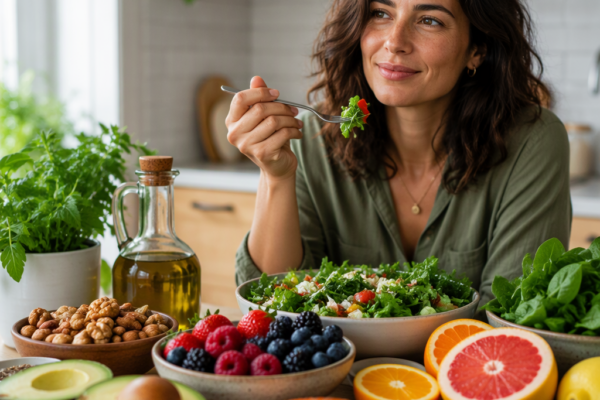

What to Eat for Younger-Looking Skin: Science-Backed Foods That Boost Collagen and Glow
Nutritional dermatology is transforming how people approach aging, showing that topical creams represent only part of the equation. Clinical research increasingly confirms that knowing what to eat for younger-looking skin can dramatically influence cellular repair, dermal elasticity, and natural radiance from within.
Every day, environmental factors such as ultraviolet (UV) radiation and pollution trigger oxidative stress in the skin. A diet rich in antioxidants, essential fatty acids, and key micronutrients equips dermal layers to neutralize free radicals, synthesize collagen, and maintain cellular hydration.
Also read: What to Eat for Younger-Looking Skin: Science-Backed Dietary Choices for Healthy Aging
The Biological Link Between Diet and Skin Aging
The skin relies on structural proteins—primarily collagen and elastin—to preserve firmness and prevent sagging. Over time, natural collagen synthesis declines, a process accelerated by systemic inflammation and advanced glycation end-products (AGEs).
AGEs form when excess blood sugars bond with proteins, stiffening resilient collagen fibers. By choosing low-glycemic, anti-inflammatory whole foods, individuals can suppress these biochemical reactions and safeguard their skin barrier.
What to Eat for Younger-Looking Skin: Key Nutritional Powerhouses
Dermatologists and clinical dietitians emphasize incorporating specific, nutrient-dense foods to support youthful, resilient skin at any age.
1. Fatty Fish High in Omega-3 Fatty Acids
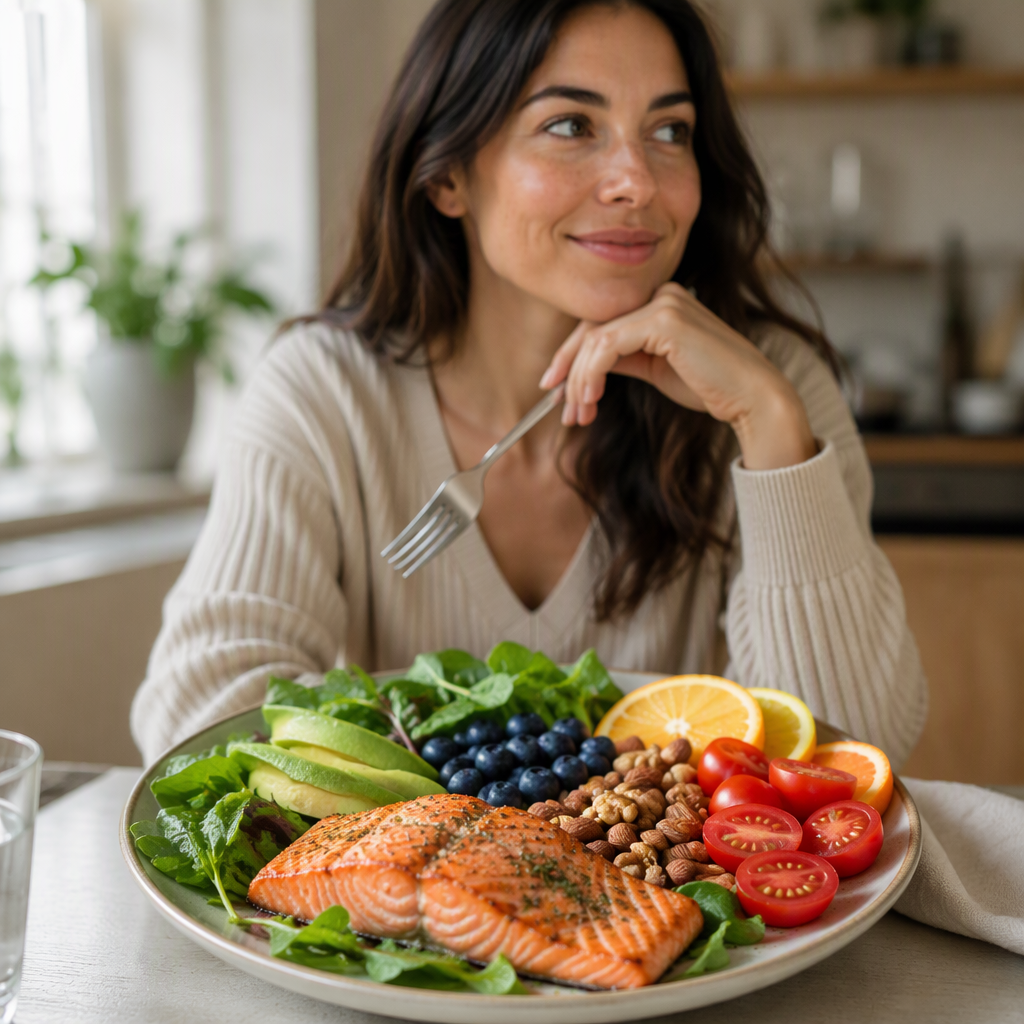
Cold-water fish such as wild salmon, mackerel, and sardines deliver concentrated amounts of eicosapentaenoic acid (EPA) and docosahexaenoic acid (DHA). These omega-3 fatty acids preserve the lipid matrix within the skin barrier, keeping moisture locked in while tamping down chronic inflammation linked to redness and premature wrinkling.
2. Vitamin C-Rich Citrus and Bell Peppers
Vitamin C acts as an indispensable cofactor in collagen biosynthesis. Without sufficient levels of this water-soluble antioxidant, the body cannot effectively knit together amino acids to form stable collagen fibrils. Yellow and red bell peppers, oranges, kiwi, and strawberries provide powerful daily doses that also combat photo-damage.
3. Carotenoid-Packed Leafy Greens and Orange Vegetables
Carrots, sweet potatoes, spinach, and kale contain beta-carotene and lutein, plant pigments that convert to active forms of vitamin A in the body. Dietary carotenoids accumulate in the epidermis, where they function as a mild internal shield against oxidative stress and UV-induced photoaging.
4. Avocados, Nuts, and Seeds
Avocados and sunflower seeds supply high concentrations of vitamin E, a lipid-soluble antioxidant that protects cellular membranes from oxidative degradation. Walnuts, flaxseeds, and chia seeds contribute additional alpha-linolenic acid (ALA), promoting a smooth, supple texture.
5. Polyphenol-Rich Green Tea and Dark Chocolate
Green tea contains epigallocatechin gallate (EGCG), a catechin proven to support microcirculation and reduce dermal inflammation. Similarly, dark chocolate containing at least 70% cocoa supplies flavanols that research suggests can improve skin thickness and hydration over time.
Foods That Accelerate Cellular Aging
Maximizing nutritional benefits also requires minimizing dietary stressors that degrade the skin matrix:
- Refined Sugars: High-fructose corn syrup and added sugars fuel glycation, breaking down structural collagen.
- Ultra-Processed Meats: Cured meats contain sodium and nitrates that exacerbate dehydration and systemic inflammation.
- Excessive Alcohol: Alcohol depletes systemic vitamin A reserves and accelerates transepidermal water loss.
What Happens Next in Dermatological Nutrition Research
Researchers are currently examining the gut-skin axis, investigating how microbiome health dictates inflammatory skin conditions like rosacea, eczema, and premature aging. Future clinical trials are expected to establish personalized nutritional guidelines based on individual metabolic profiles and genetic markers of collagen degradation.
Conclusion
Healthy skin reflects internal metabolic balance. Understanding what to eat for younger-looking skin empowers individuals to make proactive nutritional choices that preserve elasticity, reduce inflammation, and stimulate long-term cellular renewal without relying solely on expensive cosmetic treatments.