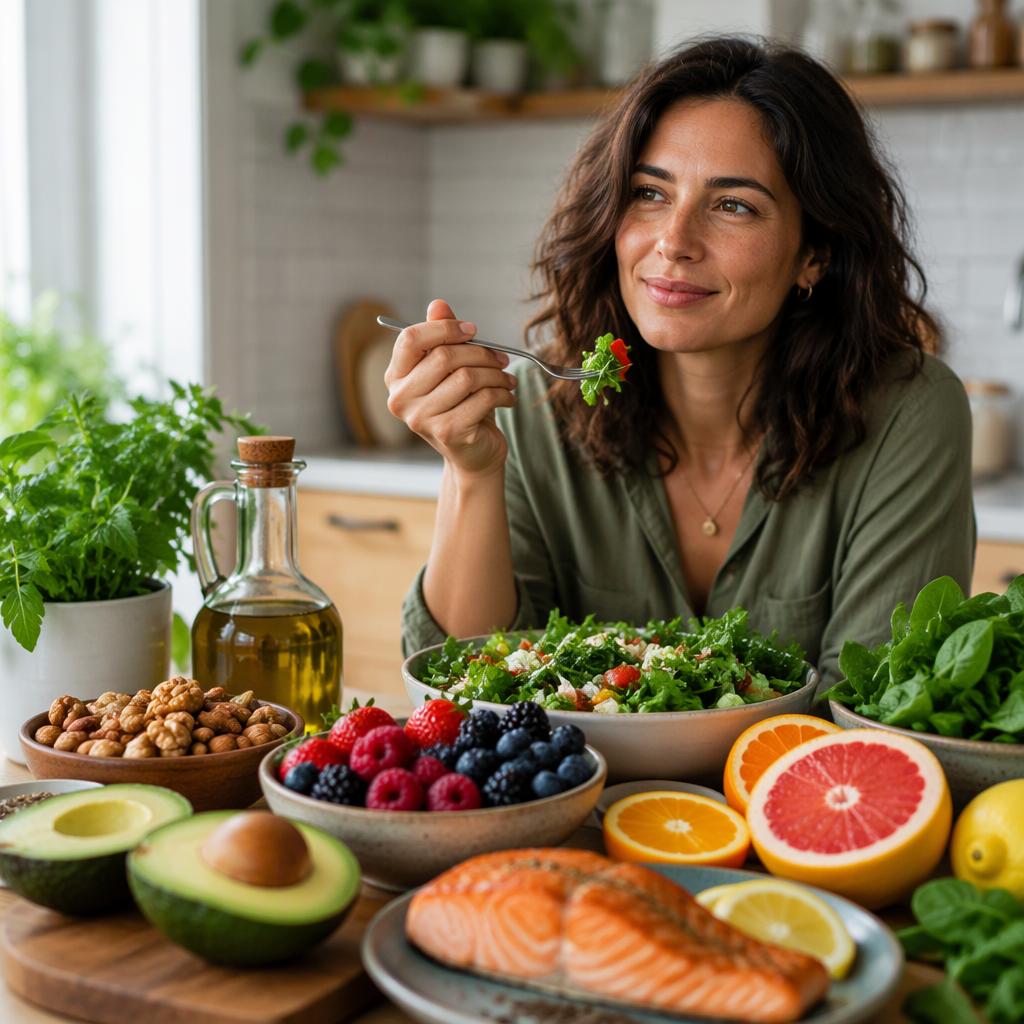

What to Eat for Younger-Looking Skin: Science-Backed Dietary Choices for Healthy Aging
Understanding what to eat for younger-looking skin has moved from beauty counters into mainstream medical science. While topical serums and cosmetic treatments dominate modern skincare routines, dermatologists and nutritional researchers increasingly emphasize that long-term dermal health begins in the digestive tract. Clinical studies continue to confirm that targeted dietary patterns can protect against cellular oxidation, stimulate collagen synthesis, and strengthen the epidermal barrier.
Skin is the body’s largest organ, and it directly reflects internal nutritional status. Deficiencies in vital micronutrients, healthy fats, and antioxidants accelerate structural breakdown, leaving skin prone to premature wrinkles, dehydration, and uneven pigmentation. Conversely, adopting an evidence-based approach to daily nutrition provides the biological building blocks required for repair and renewal.
Also read: What to Eat for Younger-Looking Skin: Science-Backed Foods That Boost Collagen and Glow
The Science of Nutritional Dermatology
Aging skin undergoes two primary processes: intrinsic aging, governed by genetics and chronological time, and extrinsic aging, driven by environmental factors such as ultraviolet (UV) radiation, pollution, and poor diet. At the cellular level, extrinsic aging is largely fueled by oxidative stress and chronic inflammation.
When the body metabolizes processed foods or endures sun exposure without adequate antioxidant protection, free radicals damage collagen and elastin fibers. Nutritional dermatology focuses on neutralizing these unstable molecules before they trigger irreversible tissue degradation.
What to Eat for Younger-Looking Skin: Key Nutrients and Food Sources
Researchers recommend incorporating specific whole foods rich in bioactive compounds to foster resilient, radiant skin across all life stages.
1. Fatty Fish Rich in Omega-3 Fatty Acids
Wild salmon, mackerel, sardines, and anchovies provide concentrated doses of long-chain omega-3 fatty acids, specifically EPA and DHA. These essential fats maintain the integrity of cell membranes, ensuring the skin retains moisture and stays supple. Omega-3s also possess potent anti-inflammatory properties, reducing redness and mitigating damage caused by UV rays.
2. Citrus Fruits and Bell Peppers for Collagen Synthesis
Vitamin C is an indispensable cofactor in collagen production. Without adequate levels, the body cannot effectively bind amino acids into stable structural proteins. Oranges, lemons, strawberries, kiwis, and red bell peppers are abundant sources. In addition to firming tissue, vitamin C acts as a front-line antioxidant against photoaging.
3. Avocados and Extra Virgin Olive Oil
Monounsaturated fatty acids found in avocados and cold-pressed olive oil help fortify the lipid bilayer of the skin. Avocados also deliver significant amounts of vitamin E, a lipid-soluble antioxidant that shields cell membranes from oxidative stress. Research published in medical journals indicates that regular consumption of healthy plant-derived fats correlates with improved skin elasticity.
4. Dark Leafy Greens and Colorful Vegetables
Spinach, kale, sweet potatoes, and carrots are rich in carotenoids, such as beta-carotene and lutein. These plant pigments accumulate in the skin, where they function as an internal defense mechanism against UV radiation, helping to prevent hyperpigmentation and fine lines.
5. Cooked Tomatoes and Lycopene
Tomatoes contain high concentrations of lycopene, another powerful carotenoid shown to reduce sunburn severity and defend against photo-damage. Cooking tomatoes in healthy fats, such as olive oil, substantially increases the bioavailability of lycopene for absorption.
6. Green Tea and Polyphenols
Green tea is loaded with epigallocatechin gallate (EGCG), a catechin celebrated for its anti-inflammatory and photoprotective properties. Routine intake supports microcirculation, delivering oxygen and nutrients to skin tissue while preserving skin elasticity.
Dietary Habits That Accelerate Skin Aging
A comprehensive strategy requires minimizing foods that actively degrade the dermis. High-glycemic diets—dominated by refined carbohydrates, sugary beverages, and ultra-processed snacks—trigger sharp spikes in blood glucose and insulin.
This biological surge accelerates glycation, a process in which sugar molecules bond to collagen and elastin fibers without enzymatic regulation. The resulting compounds, known as Advanced Glycation End-products (AGEs), cause structural proteins to become rigid, brittle, and prone to micro-tears.
Excessive alcohol consumption and chronic dehydration also deplete cellular reserves, impairing the skin’s capacity to flush metabolic waste and maintain moisture.
What Happens Next in Skin Longevity Research
Dermatology clinics and research universities are currently expanding clinical trials investigating the gut-skin axis. Emerging evidence suggests that the diversity of the gut microbiome heavily influences systemic inflammation and conditions such as eczema, acne, and premature dermal aging.
As personalized medicine advances, dietary prescriptions tailored to an individual’s genetic profile and microbiome composition are expected to become standard clinical tools for preventive skin care.
Conclusion
Achieving healthy, resilient skin is not solely reliant on external cosmetics or clinical procedures. Science demonstrates that understanding what to eat for younger-looking skin allows individuals to fight oxidative stress and support structural proteins from within. By emphasizing antioxidant-rich produce, essential fatty acids, and proper hydration while reducing refined sugars, patients can cultivate lasting vitality and radiant skin at any age.