
Coca-Cola CEO Declares Diet Coke Comeback, Embraces Viral ‘Fridge Cigarette’ Moniker
The Coca-Cola Company is officially celebrating the resurgence of one of its most iconic legacy brands. Chief Executive Officer James Quincey recently acknowledged that younger demographics and shifting cultural habits are fueling a remarkable Diet Coke comeback, breathing new life into a zero-calorie soda that once faced stagnant growth amid competition from sparkling waters and reformulated zero-sugar alternatives.
Speaking on the brand’s renewed momentum, Quincey directly addressed the cultural conversation surrounding Diet Coke, including the viral social media label dubbing a can of the silver-clad beverage the modern “fridge cigarette.” Rather than running from the edgy internet shorthand, the beverage giant is embracing how consumers have turned the drink into a cherished daily habit and sensory break.
Also read: Bank of America CEO Honored at $32M Fundraising Event Against Antisemitism
Embracing the ‘Fridge Cigarette’ Phenomenon
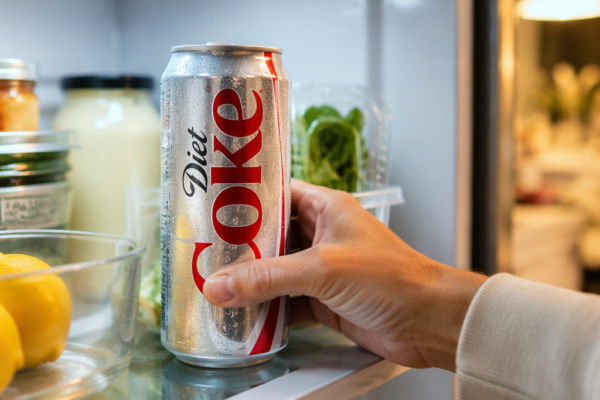
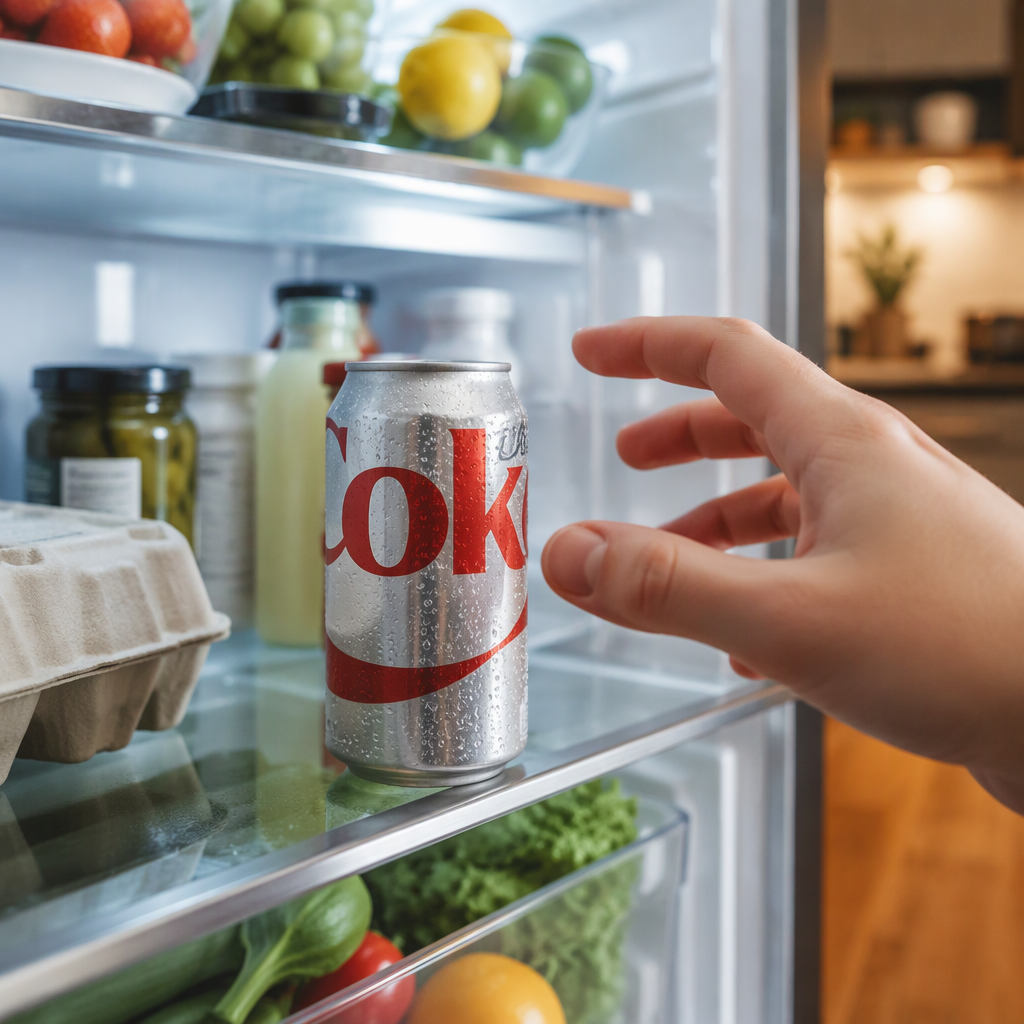
In recent months, platforms such as TikTok and Instagram have popularized the phrase “fridge cigarette” to describe opening a cold can of Diet Coke during work-from-home shifts or busy office afternoons. The moniker refers not to tobacco, but to the ritualistic, stress-relieving nature of stepping away from a desk to grab a crisp, caffeinated pause.
Quincey noted that while corporate brand managers might not create such colloquialisms in marketing brainstorming sessions, the underlying consumer connection is undeniable. For millions of consumers, particularly millennials and Gen Z professionals, the sharp carbonation and distinct aspartame flavor profile serve as an emotional reset.
By leaning into organic consumer enthusiasm, Coca-Cola has found itself at the center of cultural relevance without needing to over-engineer its messaging. The company recognizes that viral organic affection carries far more authenticity than conventional corporate advertising.
What Is Driving the Diet Coke Comeback?
The sustained Diet Coke comeback marks an unexpected turnaround for a beverage that debuted in 1982. Over the past decade, analysts widely projected that Diet Coke would gradually cede shelf space to Coca-Cola Zero Sugar, which closely mimics the taste of regular Coca-Cola and has been heavily marketed to younger male shoppers.
Several distinct factors have reversed Diet Coke’s trajectory:
- Nostalgia and Y2K Aesthetics: The distinct silver can, red script, and associated 1990s and 2000s fashion aesthetics have regained popularity among younger generations.
- Taste Differentiation: Unlike Coca-Cola Zero Sugar, Diet Coke does not attempt to replicate full-sugar syrup; its lighter, crisper, and slightly citrus-tinted flavor profile has developed a dedicated, lifelong fanbase.
- Celebrity and Social Proof: High-profile endorsements and spontaneous social media posts from influencers, models, and cultural figures have repositioned the soda as an accessory rather than merely a dietary substitute.
- The “Little Treat” Economy: Amid broader inflation and elevated living costs, consumers frequently seek affordable daily luxuries—a category where a single canned soda fits perfectly.
Coexisting with Coca-Cola Zero Sugar
A primary strategic question for beverage analysts has been whether Diet Coke and Coca-Cola Zero Sugar can thrive simultaneously without cannibalizing market share. Quincey reaffirmed that the two offerings cater to distinct consumer profiles and taste preferences.
While Coca-Cola Zero Sugar attracts drinkers seeking an authentic full-calorie flavor without the sugar, Diet Coke boasts an intensely loyal constituency that prefers its specific formula. Beverage sales data over recent quarters indicates that overall low- and no-sugar soda volumes are expanding, allowing both flagship diet products to grow side by side in North America and key global markets.
What Happens Next
Moving forward, Coca-Cola plans to sustain Diet Coke’s cultural tailwinds through targeted distribution, social-first marketing initiatives, and premium packaging formats. Rather than altering the beloved original recipe, the company is focusing on keeping the product visible, cold, and easily accessible across retail and workplace channels.
As beverage companies navigate changing health trends and regulatory discussions over sweeteners, the enduring loyalty of Diet Coke drinkers demonstrates that sensory familiarity and ritualistic comfort remain powerful market drivers. Quincey’s acknowledgment of viral internet lore signals that Coca-Cola is willing to listen to its audience, cementing the Diet Coke comeback as both a cultural triumph and a durable commercial win.