
Steakhouse Chain Franchisee Bankruptcy: Operator Files for Chapter 11
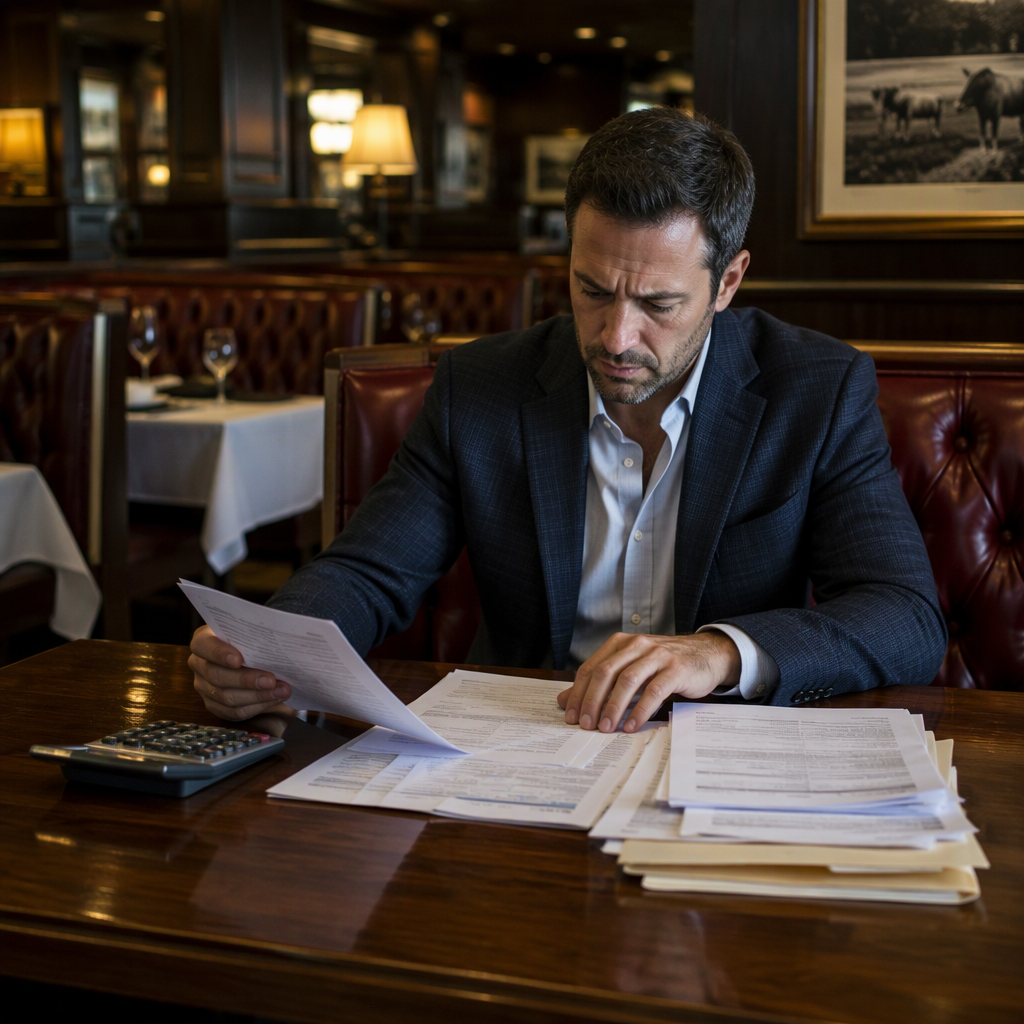
In a development underscoring growing financial headwinds across the casual dining sector, a multi-unit restaurant operator has initiated a steakhouse chain franchisee bankruptcy proceeding by filing for Chapter 11 protection in federal court. The filing aims to allow the company to stabilize operations, restructure outstanding debt, and renegotiate commercial leases while keeping restaurant doors open to patrons.
The voluntary petition under Chapter 11 of the U.S. Bankruptcy Code shields the franchise group from creditor actions while it develops a reorganization plan. The company cited a confluence of persistent pressures, including elevated wholesale beef prices, higher labor expenses, and shifting consumer dining habits.
Also read: Nelson Peltz-Led Group Offers to Buy Wendy’s for $1.4B
Details of the Chapter 11 Bankruptcy Filing
According to court filings submitted in federal bankruptcy court, the debtor company operates multiple franchise locations under a well-known national steakhouse brand. The petition lists estimated liabilities and assets each within the multi-million-dollar range, with unsecured obligations largely owed to food suppliers, equipment vendors, and commercial landlords.
Under Chapter 11 rules, the franchisee will continue running day-to-day operations as a debtor-in-possession. Management intends to maintain regular business hours, honor customer loyalty rewards, and pay employees without interruption, subject to standard court approvals for first-day motions.
The restructuring effort typically enables operators to reject unprofitable real estate leases, address vendor claims, and right-size their balance sheets without triggering sudden asset liquidations.
Key Factors Leading to the Steakhouse Chain Franchisee Bankruptcy
The decision to seek court protection follows months of tightening operating margins. Steakhouse concepts, in particular, remain vulnerable to volatile wholesale commodity markets.
- Surging Beef and Supply Chain Costs: Cattle herd reductions across the United States have driven wholesale beef costs to historic highs over the past two years, compressing margins on core menu items.
- Elevated Labor Expenses: Minimum wage adjustments and competition for qualified kitchen personnel have significantly increased payroll outlays.
- Commercial Rent Obligations: Long-term lease agreements signed before recent inflationary spikes left several units burdened by inflexible overhead.
- Consumer Pullback: As everyday households trim discretionary spending, visits to full-service, sit-down dining concepts have experienced nationwide softening.
Broader Headwinds Facing Casual Dining Franchises
This steakhouse chain franchisee bankruptcy reflects a broader trend rippling through the restaurant industry. Several major restaurant franchisees and national chains have turned to Chapter 11 protection over the past eighteen months to weather severe financial strain.
Unlike corporate parent franchisors, independent franchisees operate on thinner margins and carry localized obligations. While brand licensing and marketing fees remain fixed, local franchisees must absorb localized wage increases and occupancy spikes, limiting their flexibility during economic downturns.
Industry analysts note that full-service dining has struggled to regain traffic lost to fast-casual alternatives, where customers trade down for lower average checks and faster service.
What Happens Next for the Franchisee and Locations
In the coming weeks, the bankruptcy court will review the franchisee’s initial administrative filings, including motions to maintain payroll and utilities. The operator will also evaluate underperforming units, with the potential closure of select unprofitable restaurants to safeguard viable locations.
The franchisee is expected to present a formal plan of reorganization within the statutory exclusivity period. If approved by creditors and confirmed by the court, the plan will establish terms for repaying debt obligations over time and repositioning the business for sustainable growth.
Conclusion
Ultimately, this steakhouse chain franchisee bankruptcy highlights the delicate balancing act casual dining operators face today between controlling elevated overhead and keeping guest traffic steady. As the reorganization proceeds through the court system, the company’s ability to renegotiate leases and stabilize operational expenses will determine its long-term future in a competitive restaurant landscape.