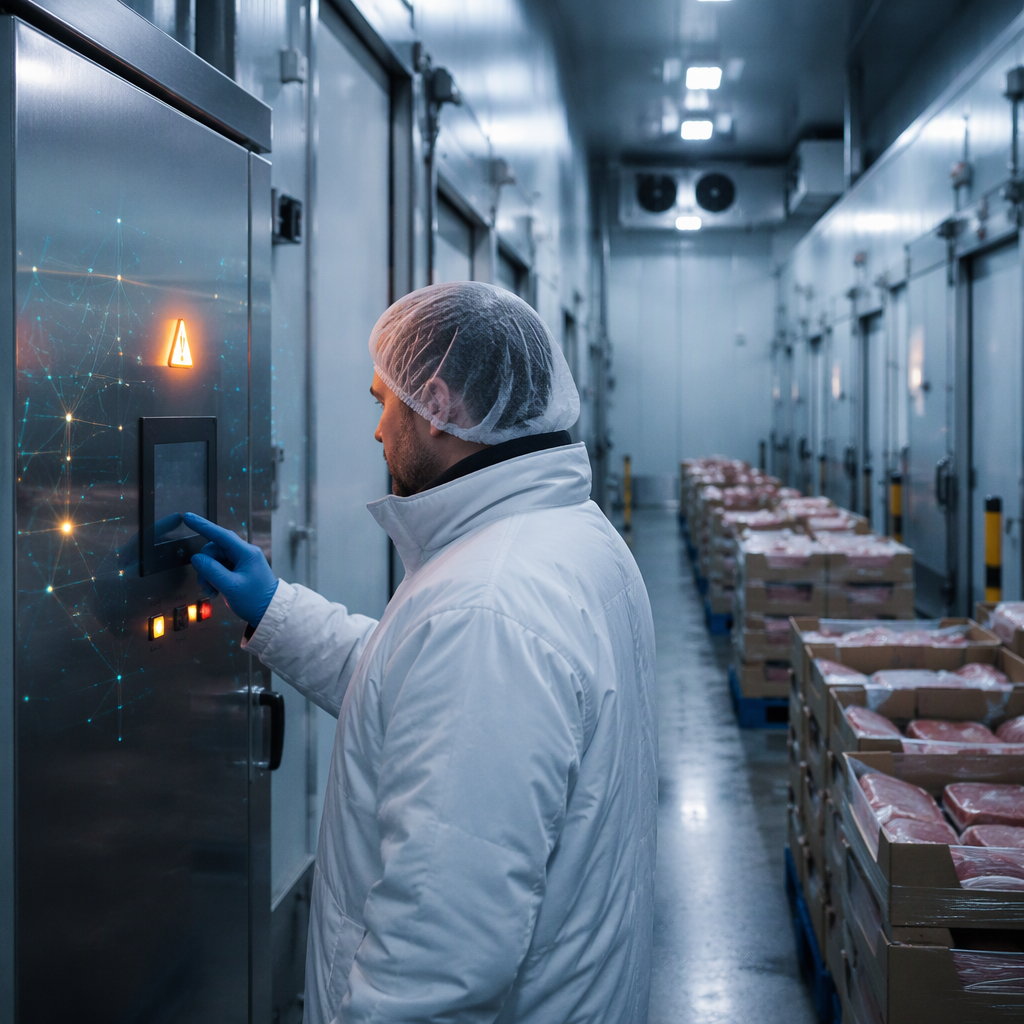

UK Meat Industry Hit by Cyber-Attack Targeting European Supermarket Freezers
The UK meat industry cyber-attack has sent shockwaves through food supply networks after malicious actors targeted digital temperature controls and logistics software managing European supermarket freezers. The incident has disrupted processing plants, transport corridors, and retail distribution across Britain and continental Europe.
Industry bodies confirmed that the breach compromised remote monitoring systems that ensure cold-chain integrity. While consumer-facing store shelves have largely remained stocked, meat processors have faced operational bottlenecks, forced manual inspections, and temporary distribution pauses to prevent spoiled inventory from entering the retail market.
Also read: Shop Freezers Across Seven European Countries Hit by Coordinated Cyber-Attack
How the Cyber-Attack Compromised Cold-Chain Logistics
The cyber-attack focused on third-party cloud infrastructure and industrial operational technology (OT) used by major logistics operators and European grocery chains. These automated networks regulate temperature parameters in commercial freezers and refrigerated distribution hubs.
When the intrusion occurred, automated alert mechanisms and telemetry feeds between distribution centers and processing facilities were severed. As a precautionary safety measure, several facilities temporarily suspended dispatches to ensure meats remained strictly within safety compliance thresholds.
Cybersecurity specialists note that targeting cold-chain operational technology represents a dangerous shift in cybercrime tactics. Rather than solely exfiltrating customer data, threat actors increasingly focus on time-sensitive physical operations where delays cause rapid financial damage.
Impact of the UK Meat Industry Cyber-Attack on Processors
British meat processors rely heavily on seamless cross-border logistics and just-in-time delivery schedules with European partners. The interruption immediately slowed processing lines across several UK facilities that handle pork, poultry, and beef.
Key operational impacts include:
- Manual Audits: Technicians shifted to manual thermometer logging to verify container and freezer temperatures.
- Logistics Delays: Hauliers faced extended turnaround times at ports and regional distribution centers.
- Distribution Backlogs: Several meat suppliers rerouted shipments while security audits evaluated infected servers.
Despite the operational hurdles, representatives from retail trade associations confirmed that strict safety protocols prevented contaminated or unsafe food from reaching consumers.
Rising Vulnerability in Food and Agriculture Sectors
Critical national infrastructure agencies have repeatedly warned about growing risks to the food and agriculture sector. Food supply chains have automated rapidly, adopting internet-connected sensors and remote diagnostics without always implementing commensurate cybersecurity safeguards.
Ransomware syndicates and extortion groups view temperature-dependent industries as high-leverage targets. Because fresh and frozen meat products are highly perishable, operators face intense pressure to resolve operational downtime rapidly.
Security analysts suggest that supply chain dependencies remain the soft underbelly of European retail. Even when primary supermarkets maintain strong perimeter defenses, breaches among specialized third-party refrigeration contractors can paralyze entire distribution corridors.
What Happens Next
National cybersecurity authorities in both the United Kingdom and Europe are investigating the origin of the intrusion. Forensic teams are working with logistics providers to isolate affected networks, patch compromised interfaces, and safely restore automated telemetry feeds.
Industry regulators are expected to review compliance mandates for commercial refrigeration systems and third-party IT providers. In the coming weeks, grocery retailers and meat processors will likely conduct comprehensive vulnerability assessments to strengthen resilience against future digital sabotage.
Ultimately, the fallout from this latest UK meat industry cyber-attack serves as a stark reminder that modern food security depends as heavily on digital defenses as it does on physical infrastructure.