
Shop Freezers Across Seven European Countries Hit by Coordinated Cyber-Attack
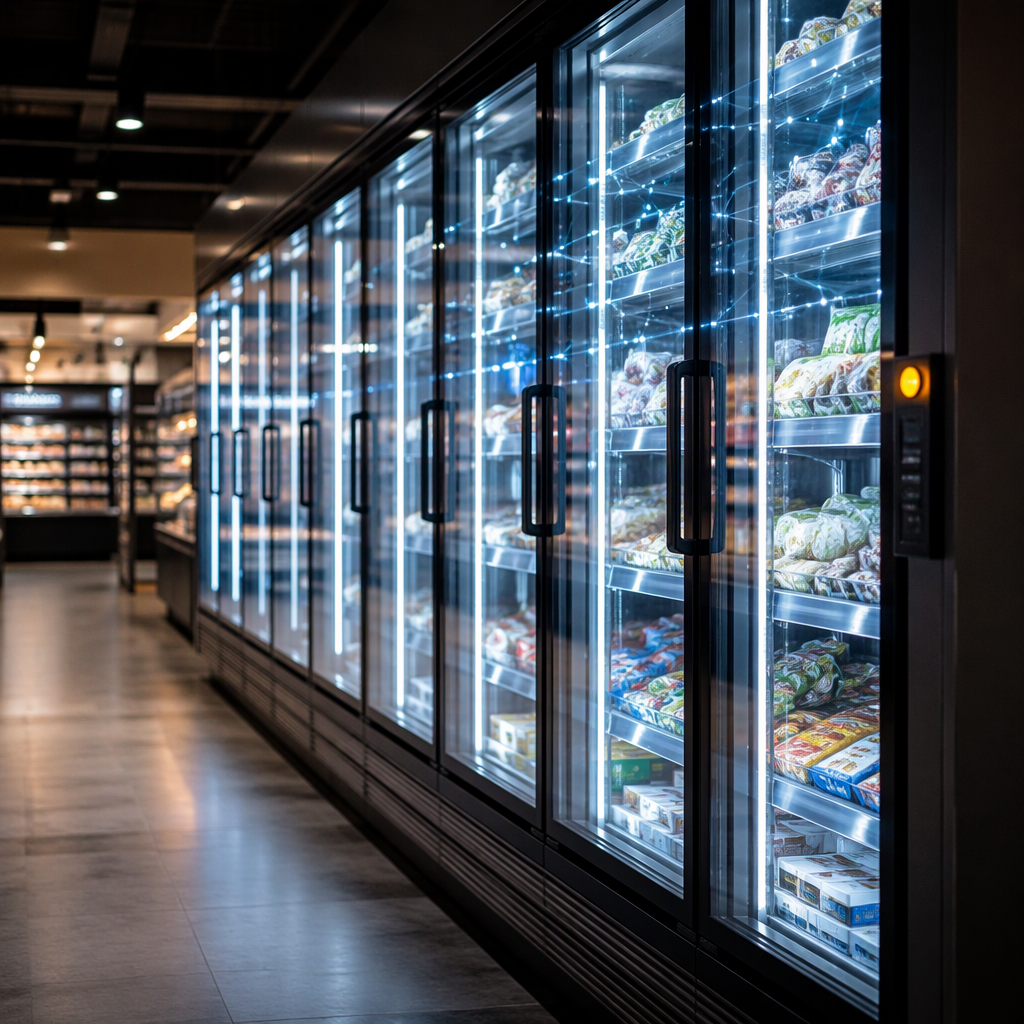
Commercial cooling systems and supermarket freezers across seven European nations have been disrupted following a sophisticated cyber-incident, highlighting growing security risks within critical retail infrastructure. The shop freezers cyber-attack targeted centralized management platforms that govern temperature controls and energy consumption for commercial food storage, prompting emergency protocols across affected stores.
Security teams and retail managers worked around the clock after store operators detected abnormal temperature readings and lost remote access to their refrigeration units. While many supermarket chains deployed manual override protocols to avoid massive food spoilage, the incident marks one of the most visible physical disruptions caused by an intrusion into retail operational technology (OT).
Also read: UK Meat Industry Hit by Cyber-Attack Targeting European Supermarket Freezers
Scope of the Shop Freezers Cyber-Attack Across Europe
The incident impacted grocery retailers and cold-storage facilities in seven European countries, where connected cooling systems experienced sudden configuration changes or complete outages in remote monitoring dashboards. Technicians discovered that unauthorized third parties had compromised cloud-based management portals used by cooling equipment providers to track internal temperatures and maintenance alerts.
Although specific retailer names were withheld as investigations continue, cybersecurity agencies across several member states confirmed they are coordinating closely with European computer emergency response teams (CERTs) to contain the breach and assess potential data exposure.
In most affected locations, automated alarms alerted on-duty personnel when temperatures drifted outside safe operating thresholds. Staff took swift manual measures to preserve perishable goods, locking units and deploying dry ice or localized backup systems where available.
How Attackers Compromised Commercial Cooling Infrastructure
Industrial refrigeration systems increasingly rely on Internet of Things (IoT) sensors and remote telemetry to optimize energy efficiency and comply with strict food safety regulations. These systems connect to central vendor servers via cloud portals, allowing centralized oversight of hundreds of retail outlets simultaneously.
Preliminary forensic analyses indicate that perpetrators exploited vulnerabilities in third-party vendor access controls rather than breaching individual store networks directly. By targeting a centralized supply-chain management software, the attackers exerted command over distributed end-points in multiple territories simultaneously.
Cybersecurity analysts note that common attack vectors against operational technology environments include credential stuffing, unpatched vulnerabilities in remote monitoring software, and weak multi-factor authentication requirements on administrative consoles.
Growing Threat to Retail and Supply Chain IoT
The disruption underscores how vulnerable commercial supply chains remain when smart appliances and industrial equipment are connected to external networks. Historically, cyber-attacks on retailers focused on customer data theft, credit card skimming, or ransomware encrypting corporate financial databases.
Targeting the physical operations of cold-storage units demonstrates a concerning shift toward physical operational disruption. Disrupting food preservation poses direct risks to public health, creates enormous product loss liabilities, and causes immediate commercial disruption during peak shopping hours.
Industry regulators have frequently warned that IoT and industrial control equipment frequently lack the robust endpoint detection and threat monitoring tools commonly deployed on standard enterprise computers.
What Happens Next
European national cyber authorities and law enforcement agencies have launched an international inquiry to identify the perpetrators and determine whether extortion demands or geopolitical motivations drove the operation. Forensic investigators are analyzing system logs to confirm whether any customer financial data or corporate trade secrets were intercepted.
Meanwhile, refrigeration hardware manufacturers and retail trade associations are issuing emergency security advisories. Store operators are being urged to isolate remote telemetry networks, enforce strict multi-factor authentication on industrial dashboards, and establish reliable offline protocols for all critical cooling units.
Conclusion
The recent shop freezers cyber-attack serves as a stark reminder that modern retail reliability depends heavily on secure software architectures. As physical appliances become more deeply tied to cloud platforms, safeguarding commercial operational technology will remain essential to preventing disruption across Europe’s food supply chains.