
Why Travellers Are Obsessed With Visiting Foreign Supermarkets
For millions of international tourists, the most exciting stop on an overseas itinerary is no longer a world-famous museum or a historic monument. Instead, modern explorers are flocking to local grocery aisles. The growing fascination with foreign supermarkets has transformed routine grocery shopping into a mainstream travel trend, reshaping how visitors explore culinary culture, source authentic souvenirs, and experience everyday local life.
Industry analysts and travel experts attribute this shift to a broader desire for immersive, micro-cultural experiences. While high-end restaurants and traditional tourist markets often cater directly to foreign visitors, standard supermarkets provide an unfiltered look at what local residents actually eat, drink, and buy on a daily basis.
Also read: ‘Afraid of Heights’: Inside the Peruvian Cliff Hotel With a Terrifying Check-In
The Rise of Supermarket Tourism
The concept of grocery store tourism has gained tremendous momentum over the past three years. What began as a niche habit among adventurous food enthusiasts is now a primary travel activity documented widely across digital platforms.
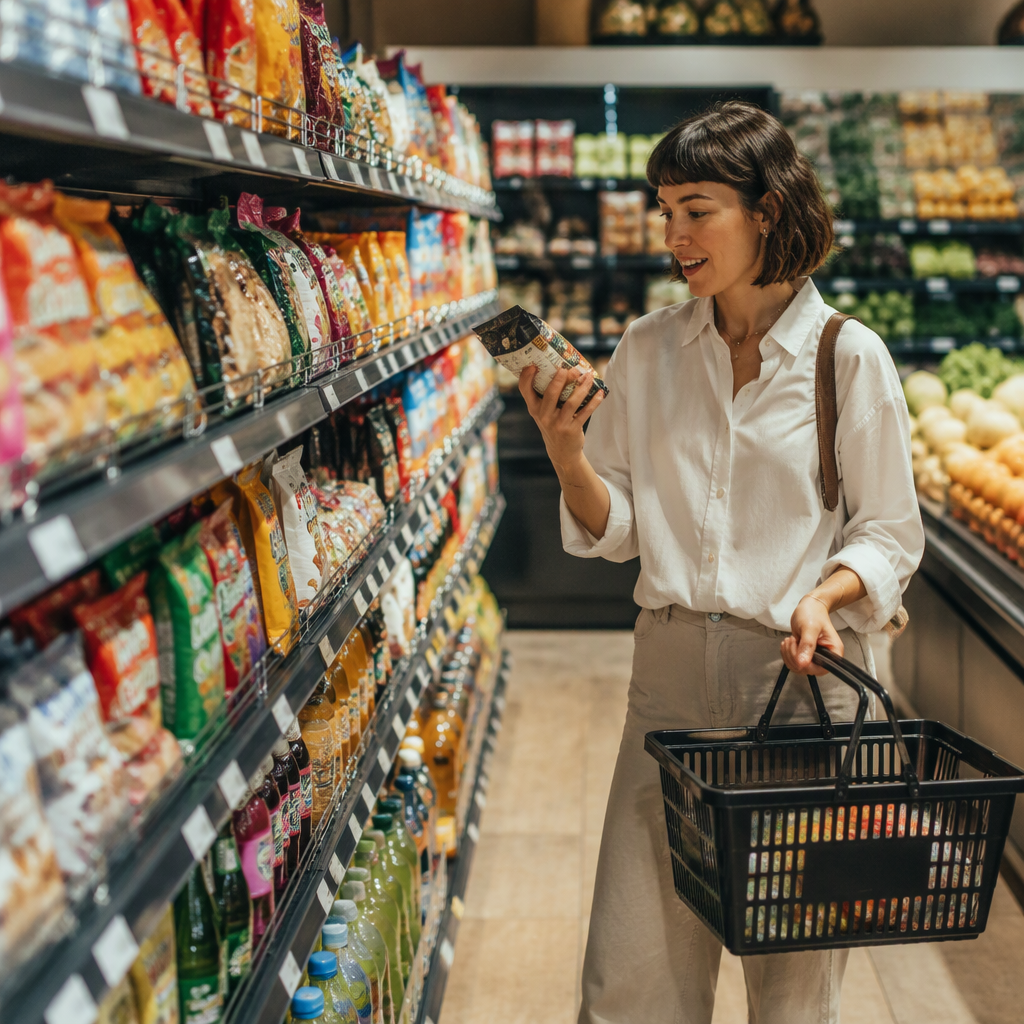
Retail analysts note that grocery aisles serve as accessible, low-pressure environments. Travellers can wander without high-pressure sales tactics, examine regional packaging designs, and compare everyday staples to those found in their home countries.
From potato chip flavours tailored to regional palates—such as seaweed in Japan, paprika in Germany, or masala in India—to unexpected dairy options and seasonal produce, grocery shelves reveal cultural nuances faster than many curated exhibits.
Cultural Immersion Down the Grocery Aisles
Food is universally recognized as a gateway to cultural understanding, yet high-end dining often represents an aspirational slice of society rather than ordinary reality. In contrast, local grocery stores showcase true consumer habits.
Browsing a supermarket in France reveals dedicated cheese counters and an extensive array of tinned butter. A visit to a store in South Korea displays walls of instant ramen, fermented side dishes, and ready-to-drink beverages. In Italy, entire aisles celebrate regional pasta varieties and local olive oils.
This direct exposure allows travellers to decipher local household priorities, dietary customs, and even economic realities. Observing how residents shop, which items dominate the shelves, and how products are packaged offers an authentic educational experience.
Budget-Friendly Delicacies and Authentic Souvenirs in Foreign Supermarkets
Rising inflation and climbing travel costs have also fueled the popularity of foreign supermarkets. Standard souvenir shops often sell mass-produced trinkets at inflated prices. In contrast, local supermarkets offer genuine, consumable gifts at regular consumer prices.
Travelers routinely fill their suitcases with items such as:
- Locally roasted coffee beans and specialty regional teas
- Artisanal chocolates, local biscuits, and regional confections
- Distinctive spice blends, dry rubs, and regional sauces
- Packaged snacks with flavours unavailable in domestic markets
These edible souvenirs offer both practicality and authenticity. For visitors travelling on a budget, building a picnic lunch from a foreign grocery deli counter has become an affordable, delicious alternative to sit-down dining.
How Social Media Fuels the Grocery Phenomenon
Digital content creation has accelerated the trend. Platforms like TikTok, Instagram, and YouTube host millions of posts featuring “foreign grocery hauls” and taste-test reviews. Videos under travel retail hashtags frequently earn millions of views.
These clips demystify foreign retail layouts, highlight must-buy snacks, and guide first-time visitors on navigating automated checkouts or self-weigh produce scales in non-native languages. The visual appeal of unfamiliar typography, vibrant packaging, and quirky seasonal items provides ready-made content for travel creators.
What Happens Next for Retail and Travel Culture
The boundary between everyday retail and cultural tourism continues to blur. As destination marketing organizations recognize this consumer behaviour, some tourism boards are actively publishing retail guides highlighting regional supermarket specialties.
Global grocery chains in high-traffic tourist destinations are adapting as well. Several retailers in major European and Asian cities have introduced multilingual signage, designated local-product sections, and curated gift boxes designed specifically for international visitors seeking edible keepsakes.
Ultimately, visiting foreign supermarkets delivers an unbeatable combination of affordability, genuine cultural insight, and discovery, cementing grocery store exploration as a permanent fixture of modern travel.