
Coca-Cola CEO Declares Diet Coke Is Back, Addressing Viral ‘Fridge Cigarette’ Moniker
Coca-Cola Chairman and Chief Executive Officer James Quincey recently affirmed that Diet Coke is enjoying a powerful cultural and commercial resurgence, directly acknowledging the beverage’s viral internet reputation as the modern “fridge cigarette.”
Speaking on consumer beverage habits and brand momentum, Quincey noted that the legacy zero-calorie soda has found renewed cultural relevance among younger consumers. Over four decades after its 1982 debut, the silver-canned staple is experiencing a second life powered by social media memes, fashion culture, and shifting workplace rituals.
Also read: Bank of America CEO Honored at $32M Fundraising Event Against Antisemitism
Embracing the ‘Fridge Cigarette’ Cultural Phenomenon
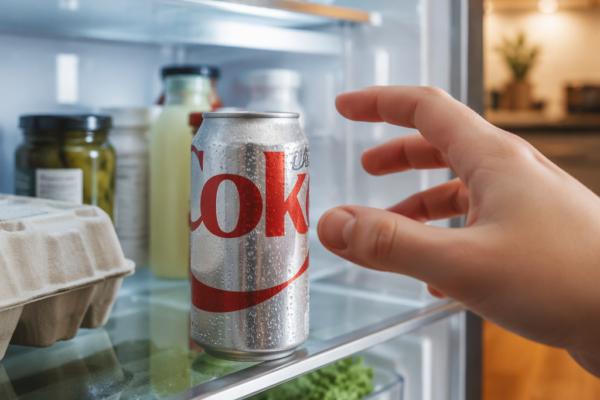
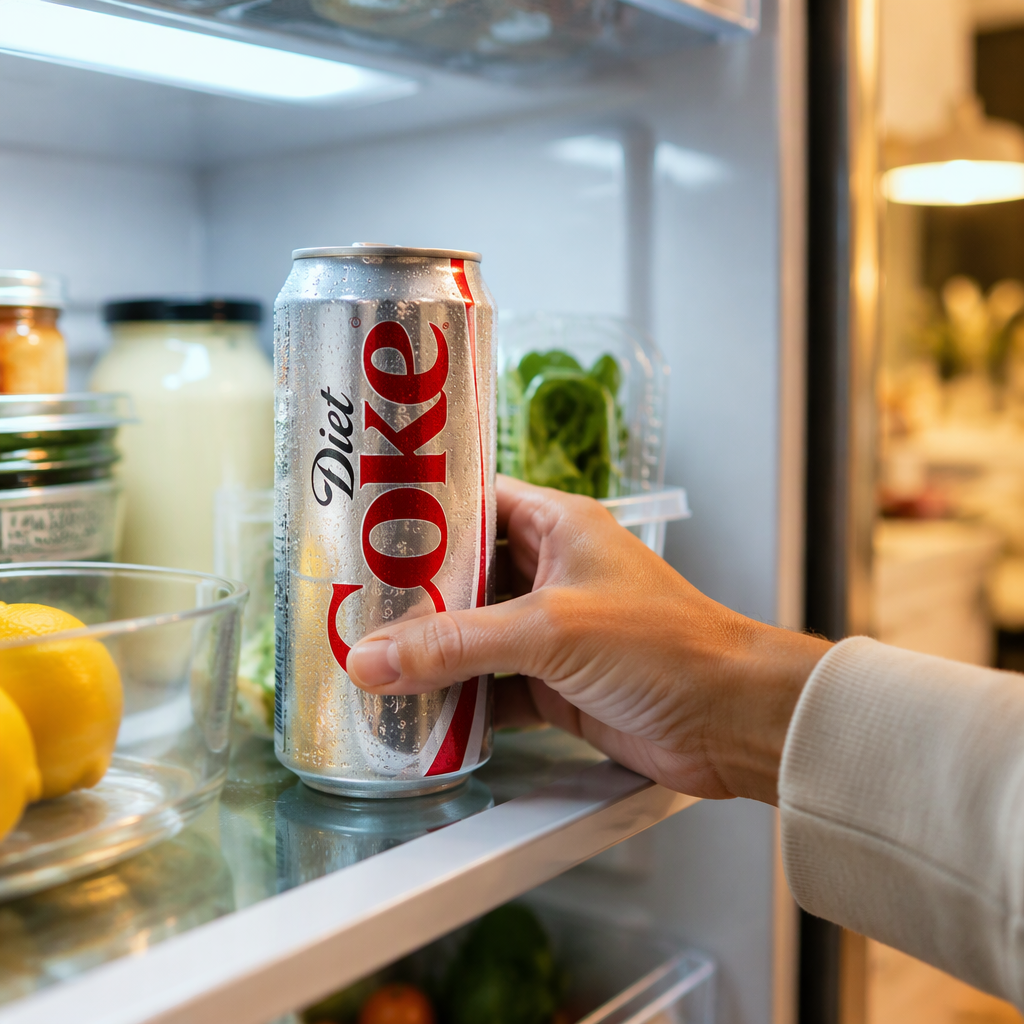
In recent months, Diet Coke has taken over social media platforms like TikTok and Instagram, where creators began playfully labeling it the modern “fridge cigarette.” The tongue-in-cheek moniker refers to how Gen Z and millennial office workers frequently step away to grab a chilled can from the breakroom or home refrigerator, treating the drink as a ritualistic mental reset, an oral fixation, and a calorie-free indulgence reminiscent of mid-century smoke breaks.
Rather than distancing the multi-billion-dollar beverage from the edgy comparison, Coca-Cola leadership appears comfortable acknowledging the cultural momentum. Quincey noted that whether consumers refer to it as an afternoon pick-me-up or a “fridge cigarette,” the underlying message is clear: younger shoppers are developing an emotional connection to the brand.
“Diet Coke is back,” Quincey remarked, underscoring that consumer affinity for the beverage has defied market predictions that it would slowly be phased out by newer formulations.
Why Diet Coke Is Outlasting Market Forecasts
For several years, industry analysts predicted Diet Coke would gradually cede ground to Coca-Cola Zero Sugar. Introduced to emulate the taste of classic Coca-Cola without calories, Coke Zero Sugar received the lion’s share of modern marketing investment, leaving Diet Coke’s future in question.
However, Diet Coke retains a uniquely distinct, crisper, and slightly citrusy flavor profile that sets it apart from both standard Coca-Cola and Coke Zero Sugar. Fans often cite that sharp “crisp bite” and higher caffeine kick as non-negotiable qualities.
Several market dynamics have driven Diet Coke’s steady revival:
- Aesthetic Nostalgia: The iconic silver-and-red packaging appeals to Gen Z consumers who gravitate toward 1990s and Y2K retro culture.
- Celebrity and Runway Endorsements: The beverage has long maintained high-profile visibility across the fashion industry, creative offices, and celebrity social media feeds.
- Distinct Taste Loyalty: Unlike consumers looking for a direct replica of standard soda, core Diet Coke drinkers seek out its specific formulation.
Balancing Diet Coke and Coca-Cola Zero Sugar
The resurgence creates a strategic advantage for The Coca-Cola Company. While some beverage brands struggle with cannibalization between legacy diet lines and newer zero-sugar offerings, Coca-Cola has found that the two drinks attract distinct customer demographics.
Coke Zero Sugar largely attracts consumers who want the traditional taste of original Coca-Cola without sugar. In contrast, Diet Coke operates almost as its own independent lifestyle sub-brand, sustained by fierce brand loyalty and daily habituation.
Coca-Cola executives emphasized that the company does not view the products as competitors. Instead, both zero-calorie offerings allow the soft drink giant to capture a wider swath of health-conscious consumers looking to cut sugar intake without abandoning carbonated beverages.
What Happens Next
Looking ahead, Coca-Cola plans to maintain momentum behind its sparkling portfolio through targeted digital campaigns, retail visibility, and creative partnerships that capitalize on organic social media trends. As beverage companies navigate shifting consumer habits, Diet Coke’s viral durability proves that heritage brands can achieve organic relevance without major product overhauls.
With consumer demand remaining resilient across global markets, Diet Coke continues to solidify its place not only in executive boardrooms but also as an indispensable fixture in office fridges everywhere.