
Tensions Flare in Congressional Hearing as Rep. Jasmine Crockett Clashes Over Civil Rights Legacy
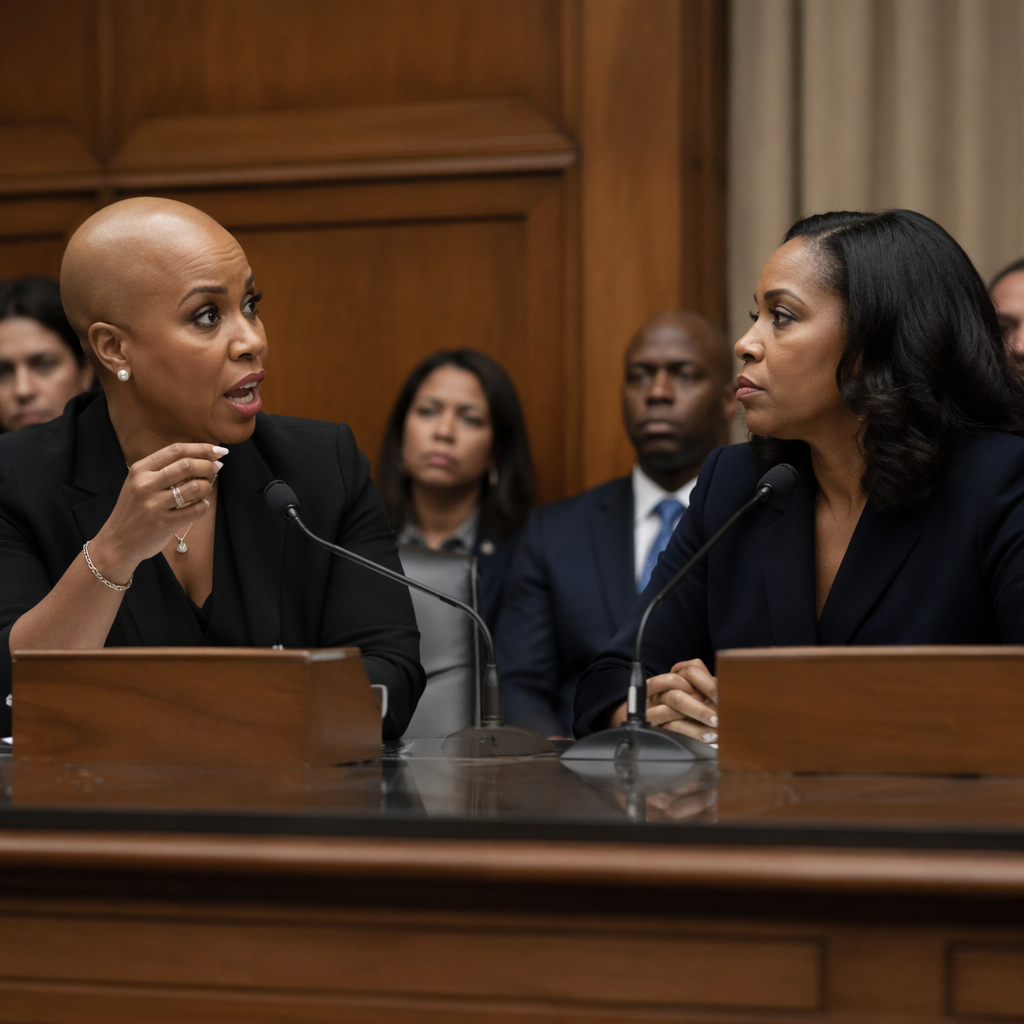
A Capitol Hill committee session erupted into sharp verbal sparring when Texas Democratic Representative Jasmine Crockett engaged in a fiery exchange centered on the legacy of Dr. Martin Luther King Jr. and modern civil rights policy. The confrontation, which unfolded during a high-profile congressional committee session, quickly went viral after Crockett challenged conservative witness Dr. Alveda King, the niece of the legendary civil rights leader, over ideological interpretations of equality and racial justice.
The intense moment highlighted deepening ideological fractures on Capitol Hill regarding how lawmakers interpret historical civil rights milestones when shaping contemporary federal policy. As clips of the exchange circulated rapidly across social media platforms, both lawmakers and political commentators offered sharply contrasting views on the decorum and substance of the testimony.
Also read: Jasmine Crockett Hearing Erupts in Fiery Exchange With MLK’s Niece Alveda King
Fiery Exchange Disrupts Congressional Committee Proceedings
The confrontation took place as committee members examined federal initiatives, civil rights enforcement, and diversity programs. Dr. Alveda King, an outspoken conservative activist and former state representative, testified before the panel, arguing against race-conscious federal initiatives and urging lawmakers to prioritize colorblind principles rooted in her uncle’s historic speeches.
During her questioning period, Crockett pushed back forcefully against that characterization, contending that conservative commentators often misappropriate Dr. Martin Luther King Jr.’s words to dismantle policies designed to protect marginalized communities. Crockett argued that systemic disparities remain pervasive across housing, voting access, and the justice system, asserting that addressing those disparities requires active, intentional legislation rather than passive rhetoric.
The exchange escalated when Crockett questioned whether certain witnesses were using familial ties to provide political cover for rollbacks of federal protections. Committee leadership intervened multiple times with the gavel to restore order as lawmakers from both sides of the aisle traded points of order and interruptions.
Competing Visions for the Legacy of Dr. Martin Luther King Jr.
At the core of the Jasmine Crockett hearing clash lies an ongoing national debate over how the United States should measure progress since the 1960s civil rights movement.
Conservative witnesses and Republican lawmakers frequently cite Dr. King’s iconic dream that individuals be judged by the content of their character rather than the color of their skin. From their perspective, policies such as Diversity, Equity, and Inclusion (DEI) mandates and affirmative action run counter to true equality by re-centering race in public life.
Conversely, progressive lawmakers like Crockett argue that historical figures like Dr. King fought not merely for individual goodwill, but for direct economic justice, systemic reform, and aggressive federal intervention. Crockett pointed to King’s broader body of work, including his advocacy for economic restructuring and the Poor People’s Campaign, to dispute claims that King opposed targeted remedies for institutional discrimination.
Partisan Fallout and Viral Reaction
The fiery confrontation triggered immediate reactions from across the political spectrum, dominating cable news panels and digital outlets.
Republican committee members voiced strong objections to Crockett’s tone, characterizing the questioning as hostile and disrespectful toward an invited witness and member of the King family. Several conservative commentators accused the Texas congresswoman of crossing legislative boundaries by questioning the motives and authenticity of a veteran activist’s perspectives on her own family heritage.
Meanwhile, Democratic allies and progressive advocates rallied behind Crockett, praising her willingness to confront what they viewed as conservative revisionism of the civil rights movement. Supporters emphasized that congressional hearings serve as a critical venue for holding testimony accountable and ensuring that ongoing civil rights struggles are addressed with urgency.
What Happens Next
The committee is expected to conclude its review of civil rights and federal equity initiatives in the coming weeks, though the contentious hearing highlights the deep impasse confronting lawmakers. With national elections approaching, clashes over identity, history, and constitutional protections will remain a central battleground in congressional oversight hearings.
As the video footage continues to circulate online, the Jasmine Crockett hearing serves as another vivid example of how historical memory and modern governance remain deeply intertwined in today’s polarized political climate.