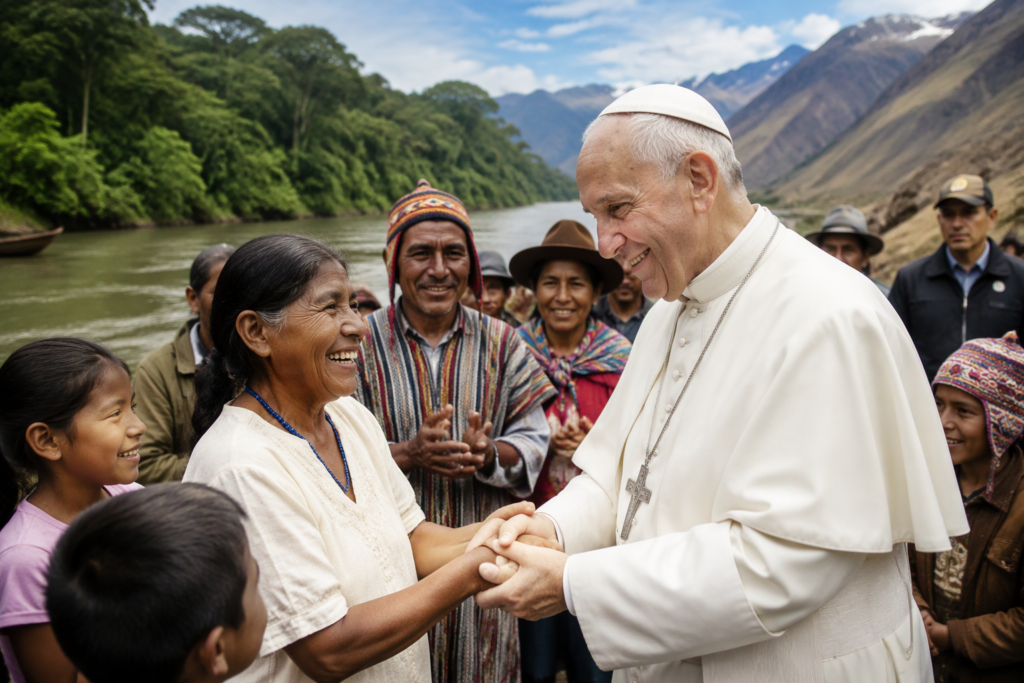
Pope Leo XIV stood more than 11,000 feet above sea level at an ancient Inca fortress on Sunday, testing his physical limits after recent lung cancer surgery. The packed itinerary of Pope Leo in Peru carried the 71-year-old pontiff across extreme geographical shifts in a single day, sweeping from the high Andes down into the Amazon basin.
This journey marks the final stretch of an intense 12-day, three-nation tour across South America that began on November 6. After earlier visits to Uruguay and Argentina, the stop matters deeply to locals because the American-born pontiff holds Peruvian citizenship and once served as a local bishop.
Also read: Pope Leo Peru Trip: Pontiff Joins Pilots in Cockpit
High altitude tests at Saqsaywaman
Leo spent Sunday morning in Cusco, the historic capital of the Inca Empire. At 3,400 metres in altitude, thin mountain air posed a genuine physical hurdle for a leader still regaining strength after chest surgery. Yet observers noted no signs of fatigue as he climbed to the Indigenous stone fortress of Saqsaywaman.
Addressing listeners at the fortress, he commended local processions and cultural festivals that merge Indigenous customs with Catholic faith. He insisted that such heritage must evolve rather than sit frozen in history.
“The future of these traditions lies not only in preserving what has been handed down, but also in passing it on in a living way,” he said.
Why Pope Leo in Peru feels like home
Tens of thousands poured into Cusco’s central Plaza de Armas to catch a glimpse of the leader. Unlike most papal visitors arriving as foreign dignitaries, Leo arrived as a fellow citizen.
He lived in Peru for decades before obtaining formal citizenship in 2015. His pastoral career took root in the northern coastal city of Chiclayo, where he served as bishop before his election to the papacy. That local history drew massive, emotional turnouts from parishioners who still consider him one of their own.
Demanding justice along the Ucayali River
By Sunday afternoon, Leo left the mountains behind and flew east to Pucallpa, a river port along the banks of the Ucayali River. The city serves as the primary entrance to Peru’s dense rainforest territories.
There, he echoed the environmental encyclicals of his late predecessor Pope Francis. But he directed his sharpest words toward the human toll behind natural resource battles, speaking out for community organisers facing deadly violence.
“Many Indigenous leaders have been murdered for defending their territories,” Leo said. “The blood of these brothers cries out to God and demands justice.”
Fighting pollution and illegal mining
Deforestation, illegal logging, and wildcat gold mining operations have pushed deeper into native lands in recent years. Those incursions frequently trigger armed intimidation and forced expulsions of native families.
Unchecked mining has also unleashed a severe public health and water crisis across Peruvian river networks. Industrial runoff routinely dumps mercury and other heavy metals directly into drinking supplies, placing entire villages at risk of irreversible poisoning.
If you look at the environmental clashes across Latin America, Indigenous advocates remain on the frontline with little state protection. The pontiff used the final hours of Pope Leo in Peru to demand legal accountability from state authorities for those killings.
Leo concludes his 12-day South American tour on Monday, when he completes his remaining Lima appointments before departing for Rome.
Source: Al Jazeera


