
Hikers Cling to Steep Ridge in Dramatic California Mountain Ridge Rescue
A routine wilderness trek turned into a perilous ordeal when emergency responders executed a daring California mountain ridge rescue to save stranded hikers clinging to a sheer cliffside. As daylight faded and treacherous terrain prevented a safe descent on foot, an aviation search-and-rescue team swooped in to pull the imperiled hikers to safety.
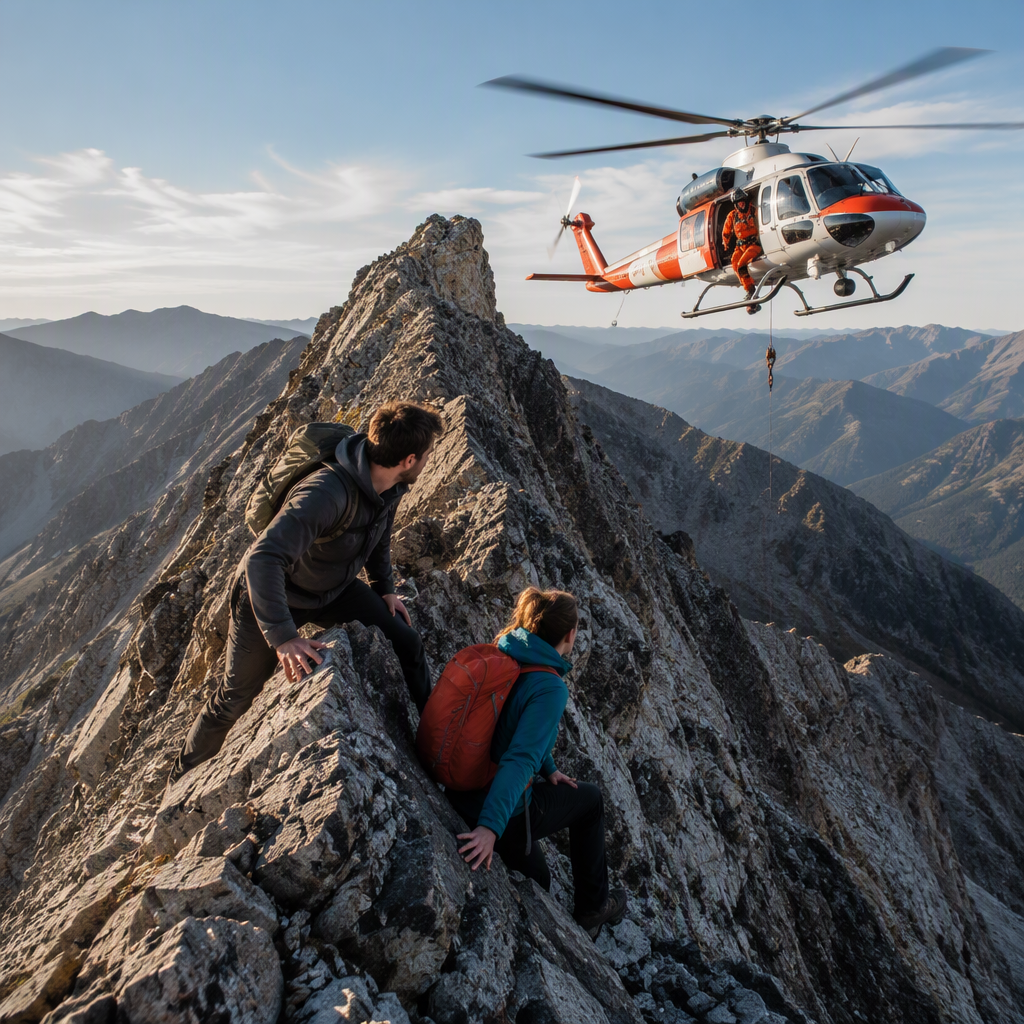
The incident unfolded along rugged, mountainous terrain in California, where hikers found themselves unable to advance or retreat. Trapped on loose rock with steep vertical drop-offs beneath them, the hikers dialed emergency dispatchers, prompting an immediate mobilization of regional search and rescue personnel.
Also read: Mom of 2 Who Died Rescuing Sons During Bahamas Snorkeling Trip Is Identified
Rapid Aerial Response on Precarious Terrain
Reaching the hikers on foot posed severe hazards for ground crews due to the crumbling scree and near-vertical incline. Authorities determined that an aerial operation was the only viable method to extract the individuals before nightfall.
Equipped with specialized hoist equipment, a rescue helicopter arrived on scene, navigating shifting mountain winds and tight canyons. High-definition video captured during similar aerial extractions shows crew members leaning out of the aircraft’s open bay, carefully lowering a rescue specialist on a steel cable directly toward the precipice.
Once on the ground, the flight officer secured each hiker into an extraction harness. Battling rotor wash and extreme exposure, the flight crew hoisted the individuals into the helicopter cabin one by one, concluding the operation without major injuries.
Challenges of High-Altitude Hoist Operations
Mountain air rescues are among the most technically demanding missions undertaken by emergency aviation crews. Factors such as altitude, gusting winds, and loose ground debris demand precision piloting and close coordination between the pilot and the hoist operator.
Officials noted that maintaining a steady hover over sharp ridges requires exceptional skill, as even a minor gust can destabilize the cable during an extraction. Thanks to the rigorous training of the flight crew, the operation proceeded smoothly and efficiently.
Medical personnel evaluated the hikers immediately following the landing. Although visibly shaken and fatigued, neither individual required extensive hospitalization.
Safety Advice for Hikers Tackling Steep Slopes
Following the successful California mountain ridge rescue, park rangers and outdoor safety specialists reiterated the importance of thorough preparation when venturing into rugged backcountry. Officials urged outdoor enthusiasts to observe key safety practices:
- Stay on Established Trails: Straying off marked paths often leads hikers into impassable terrain or loose shale areas where climbing down becomes impossible.
- Track Weather and Daylight: Mountain weather can change quickly, and descending steep ridges in the dark drastically increases the risk of falls.
- Carry Reliable Communication: Always bring a fully charged mobile phone along with an emergency satellite messenger, as cellular coverage in canyons and valleys remains spotty.
- Know When to Stop: If terrain becomes too steep or unstable, stop immediately and call for assistance rather than attempting a risky descent.
What Happens Next
Authorities will continue reviewing trail conditions in the surrounding area to ensure signage adequately warns recreationists of hazardous ridge routes. Ground teams regularly update warning markers near unmaintained footpaths where hikers frequently lose their bearings.
Thanks to the rapid response of emergency personnel, this high-stakes California mountain ridge rescue concluded safely, serving as a powerful reminder of both nature’s unpredictability and the vital role of airborne first responders.