
Explosion and Fire Blast Through Iowa Quaker Oats Plant in Cedar Rapids
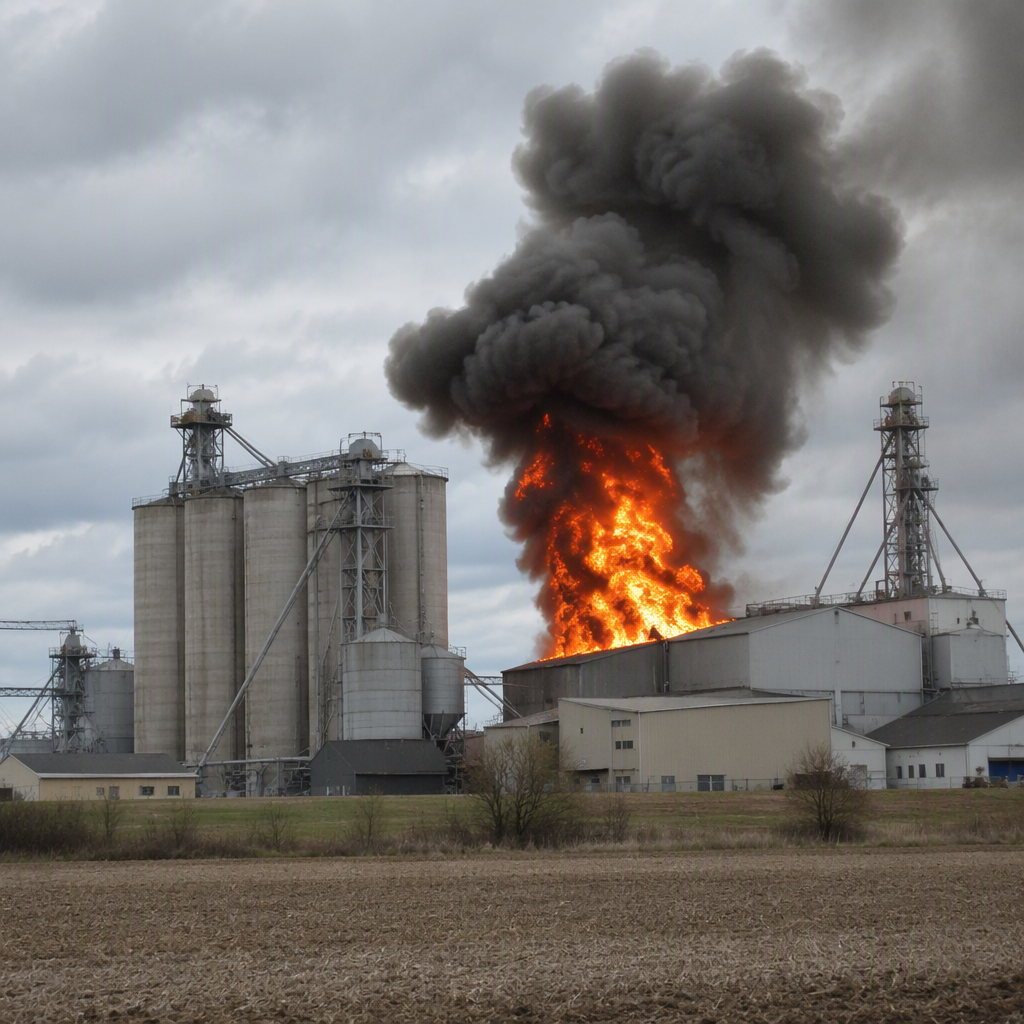
Emergency crews rushed to the scene after an Iowa Quaker Oats plant explosion and fire rattled an industrial facility in Cedar Rapids, sending plumes of smoke into the sky and triggering a swift evacuation of on-site workers.
The incident occurred at the historic milling facility located in downtown Cedar Rapids, one of the world’s largest cereal-processing plants. First responders from the Cedar Rapids Fire Department arrived within minutes of receiving multiple calls reporting a blast and heavy smoke rising from the processing complex.
Also read: Mom of 2 Who Died Rescuing Sons During Bahamas Snorkeling Trip Is Identified
Emergency Crews Respond to Quaker Oats Facility
Firefighters quickly established a perimeter around the impacted section of the complex. Initial efforts focused on locating the source of the fire, securing building systems, and confirming that all personnel working on the shift were safely accounted for.
Plant safety mechanisms, including automated industrial sprinkler systems and pressure-relief vents, engaged following the blast. Fire crews worked closely with on-site safety directors to isolate utilities and prevent flames from spreading across the expansive manufacturing network.
Nearby streets and intersections were temporarily closed to vehicular traffic to allow fire engines, aerial trucks, and emergency medical personnel unobstructed access to the facility. Authorities urged residents to avoid the immediate perimeter during the response.
Investigating the Iowa Quaker Oats Plant Explosion
While an official determination is underway, industrial grain handling and food processing operations inherently carry unique combustion risks. Facilities that process oats, grains, and flour must constantly manage combustible dust—a primary factor in historical milling plant incidents.
Under specific conditions, finely suspended airborne grain dust within enclosed spaces can rapidly ignite if exposed to a heat source, friction, or an electrical spark. This ignition can create a rapid pressure wave leading to secondary blazes throughout ductwork or elevator shafts.
Investigators from local fire agencies, alongside internal risk-assessment teams, are actively reviewing plant monitoring systems, heat sensors, and maintenance logs to determine the exact origin of the blast.
Impact on Production and Surrounding Community
The Cedar Rapids Quaker Oats facility has operated in the city for over a century, standing as an economic anchor and recognizable fixture of the local skyline. The plant processes grains for beloved household brands, including hot cereals, snack bars, and ready-to-eat breakfast foods.
Operations in the affected areas were halted immediately to facilitate safety inspections and assess physical damage to structural walls, machinery, and ventilation shafts. Company representatives emphasized that employee welfare remains the immediate priority before any phased restart of manufacturing lines takes place.
What Happens Next
Following containment of the fire, investigators will conduct a comprehensive forensic assessment of the affected units:
- Structural Assessments: Building engineers will inspect load-bearing walls and roofs to confirm structural integrity before allowing staff back inside.
- Regulatory Inquiries: Federal and state occupational safety officials are expected to open standard inquiries into industrial protocols and mechanical conditions preceding the incident.
- Facility Repairs: Plant operators will determine repair schedules and coordinate supply chain rerouting to minimize production disruptions.
Further updates regarding the full extent of structural damage and operational timelines are anticipated as investigators conclude their inspection of the Iowa Quaker Oats plant explosion.