
Serbia Student Movement Ends Vucic’s 14-Year Dominance, But Political Agenda Remains Unclear
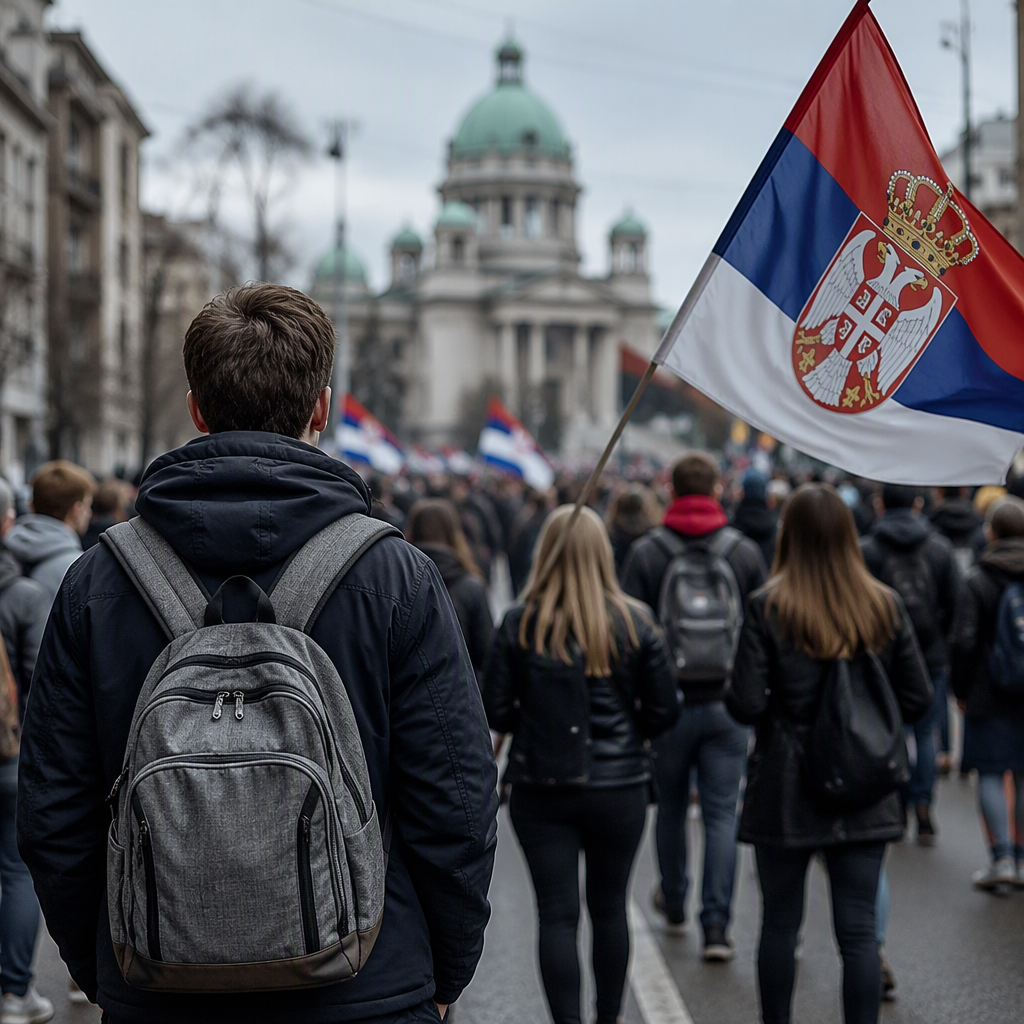
BELGRADE — In an extraordinary political transformation, the youth-driven Serbia student movement has dismantled the decade-plus grip on power held by President Aleksandar Vucic and his ruling Serbian Progressive Party (SNS). The historic breakthrough marks the first time in 14 years that the entrenched political establishment has conceded defeat, following months of sustained campus strikes, nationwide demonstrations, and civic disobedience.
Yet, while crowds across Belgrade, Novi Sad, and Nis celebrated what organizers call a decisive victory for democratic revival, regional analysts and international diplomats warn that a profound governance vacuum now looms. With the autocracy fractured, the movement faces immediate pressure to define its ideology, assemble a viable governing coalition, and clarify its vision for a deeply divided country.
Also read: Israeli Embassy in Serbia Attack: Assailant Killed After Ambush
A Historic Uprising by the Serbia Student Movement
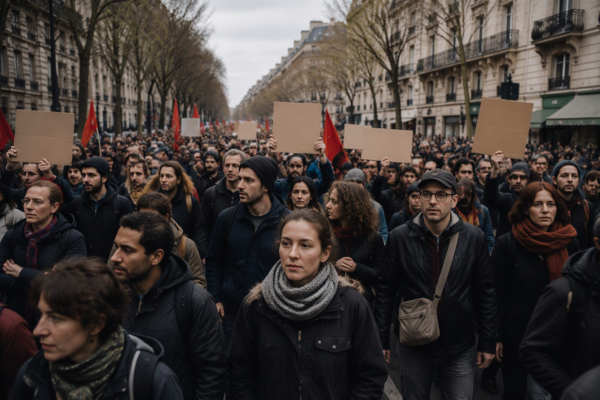
The collapse of SNS authority followed escalating street pressure that began in university halls before mobilizing hundreds of thousands of ordinary citizens. Students coordinated sit-ins, blocked key infrastructure corridors, and formed alliances with independent trade unions, farmers, and opposition networks.
Unlike previous waves of anti-government dissent that dissolved amid factional infighting, this mobilization maintained strict nonviolent discipline and utilized decentralized digital networks to bypass state-aligned media. By framing their fight around institutional accountability, judicial independence, and an end to systemic corruption, student leaders succeeded where traditional opposition parties repeatedly failed.
Their momentum proved irreversible when municipal authorities and security forces refused orders to clear university occupations, leaving the ruling administration isolated and forcing concessions that ultimately toppled the government.
What Fueled the Downfall of Aleksandar Vucic’s Party
The SNS had dominated Serbian politics since 2012, consolidating control over state institutions, the judiciary, and mainstream broadcasting networks. However, public anger reached a boiling point over the past two years, catalyzed by multiple structural grievances:
- Institutional Negligence: Severe public outcry followed infrastructure failures and high-profile tragedies that citizens directly attributed to state corruption and unregulated contracts.
- Erosion of Democratic Norms: International watchdogs repeatedly cited election irregularities, media suppression, and patronage networks that stifled public debate.
- Economic and Environmental Pressures: Discontent surged over contentious foreign-backed mining concessions, deteriorating living standards, and heavy-handed responses to local protests.
When student organizers channeled these widespread frustrations into a singular demand for wholesale institutional renewal, Vucic’s carefully calibrated balancing act between domestic control and foreign diplomacy collapsed under internal public resistance.
Unclear Political Agenda and Ideological Factions
While the movement’s ability to mobilize citizens is undisputed, its concrete roadmap for state governance remains largely unarticulated. Observers point out that the coalition was united by what it opposed—authoritarian rule and state capture—rather than a cohesive governing ideology.
The movement’s ranks encompass an eclectic mix of political viewpoints:
- Pro-European Reformists: Advocates pushing for expedited accession to the European Union, comprehensive rule-of-law reforms, and green transitions.
- Traditional Nationalists: Activists who remain skeptical of Western integration, fiercely protective of national sovereignty regarding Kosovo, and critical of foreign investments.
- Grassroots Social Democrats: Student groups prioritizing labor protections, public education funding, and the dismantling of oligarchic business monopolies.
Without a single recognized figurehead or established legislative platform, international partners question how the movement will manage crucial decisions regarding foreign policy alignments, relations with Russia and China, and pending European integration talks.
What Happens Next for Serbia?
With the ruling party sidelined, Serbia enters uncharted constitutional territory. Key upcoming milestones will dictate whether this youth-led transition produces durable democratic stability or prolonged administrative chaos:
1. Formation of an Interim Administration: Political stakeholders are currently negotiating a caretaker government tasked with stabilizing state finances and purging state media boards of partisan influence.
2. Electoral Law Reforms: Student representatives insist on comprehensive revisions to voter registries and campaign finance regulations before any new parliamentary elections take place.
3. Transition into Formal Politics: Organizers must decide whether to transform their activist network into an official electoral party or remain an independent civic watchdog while backing technocratic leaders.
Conclusion
The dramatic victory achieved by the Serbia student movement has rewritten the nation’s contemporary history, ending 14 years of centralized authority under Vucic’s political machine. However, the hardest phase of the struggle is only beginning. To transform popular protest into lasting democratic resilience, the movement must swiftly bridge internal ideological divisions and present a clear, unified political agenda to the Serbian public.