
Judge Who Apologized to Accused Would-Be Trump Assassin Slams DOJ Over FBI Case
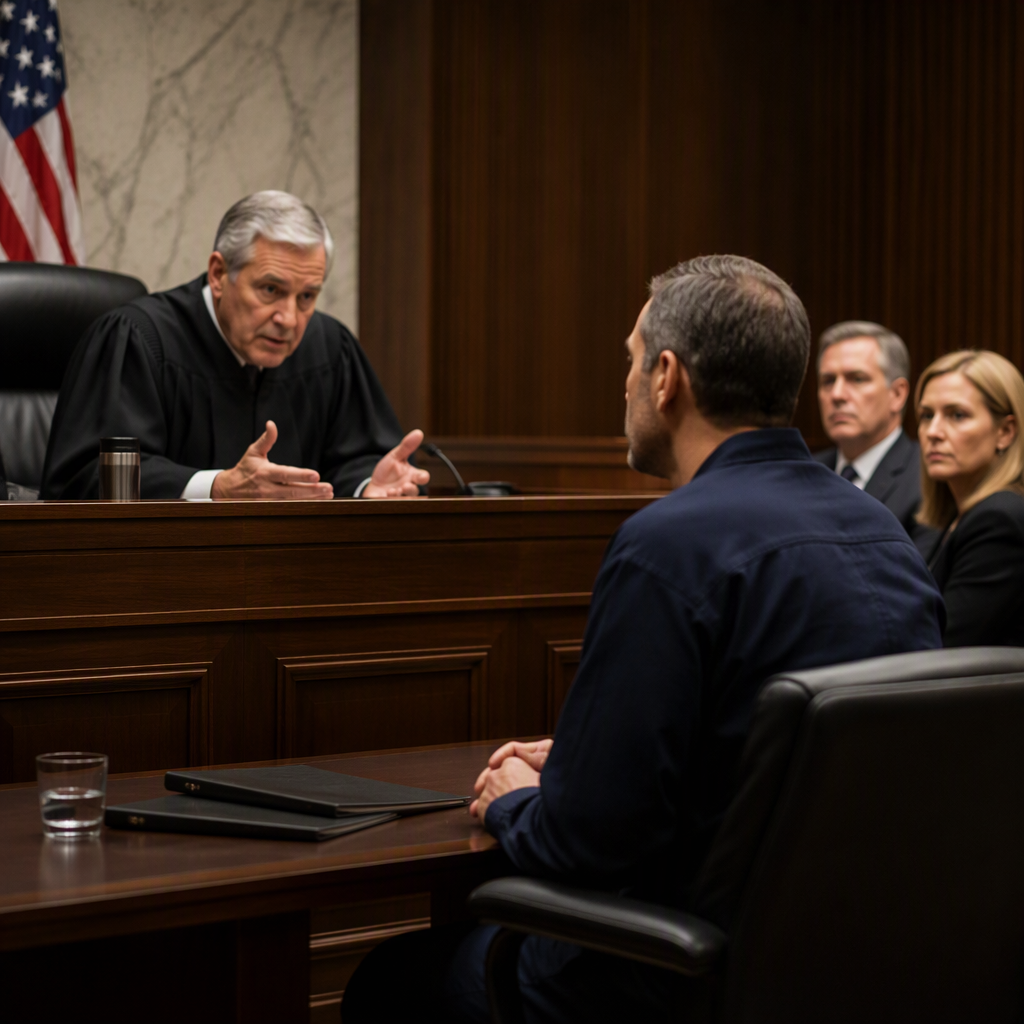
A federal judge who previously drew widespread attention for offering an in-court apology to accused would-be Trump assassin Ryan Wesley Routh has sharply criticized the Department of Justice over its conduct in an FBI-investigated criminal matter. The bench reprimanded federal prosecutors for procedural missteps, signaling growing judicial frustration with the government’s handling of sensitive evidentiary and administrative standards.
The pointed rebuke highlights an increasingly contentious relationship between federal jurists and prosecutors in high-stakes cases. Observers note that the court’s critical posture reflects an unyielding demand for strict adherence to constitutional due process and regulatory procedure, regardless of the political or public sensitivities surrounding federal prosecutions.
Also read: Judge Dismisses Trump Lawsuit Against Wall Street Journal Over Epstein Birthday Book
Judicial Rebukes Target DOJ Practices in Federal Court
During recent proceedings, the court took direct aim at the Department of Justice and the Federal Bureau of Investigation, challenging how federal attorneys managed key phases of the prosecution. The judge raised serious concerns regarding disclosure timelines, transparency, and procedural rigor in cases spearheaded by federal investigators.
Federal judges possess wide latitude to oversee government conduct inside their courtrooms. When prosecutors fail to comply promptly with discovery rules or statutory guidelines, reprimands from the bench often serve as formal warnings before punitive measures, such as sanctions or evidentiary exclusions, are imposed.
Legal analysts emphasize that judicial skepticism toward the DOJ often cuts across ideological lines. Judges routinely demand that the government meet an exacting standard, ensuring that federal enforcement agencies do not cut corners or bypass regulatory safeguards during investigations.
Apology to Accused Would-Be Trump Assassin Drew Public Scrutiny
The jurist first sparked national headlines after delivering a courteous courtroom apology to the accused would-be Trump assassin, Ryan Wesley Routh, during preliminary proceedings. Routh was arrested in September 2024 after a U.S. Secret Service agent spotted a rifle barrel extending through the perimeter fence at Trump International Golf Club in West Palm Beach, Florida, while former President Donald Trump was playing on the course.
During the courtroom appearance, the judge apologized to Routh over procedural and scheduling delays that kept the defendant waiting in a holding facility before his hearing commenced. While routine administrative courtesies occur regularly inside federal courtrooms, the public nature of the gesture toward a defendant charged with attempting to assassinate a major presidential candidate ignited immediate public debate and scrutiny.
Routh faces multiple severe federal charges, including attempted assassination of a major presidential candidate, assaulting a federal officer, and possessing a firearm in furtherance of a violent crime. He has pleaded not guilty to all counts.
Scrutiny Mounts Over Department of Justice and FBI Procedures
The judge’s latest censure of the DOJ reflects broader national scrutiny surrounding the operational discipline of both the Justice Department and the FBI. In several ongoing high-profile matters, defense attorneys and judicial panels have pushed federal prosecutors to account for handling of evidence, witness interviews, and internal agency communications.
Judicial pushback against government attorneys frequently focuses on three critical areas:
- Discovery Timelines: Ensuring prosecutors turn over exculpatory materials and investigative notes to defense counsel without prejudicial delays.
- Search Warrant Adherence: Verifying that federal agents stayed strictly within the legal parameters outlined in court-approved search warrants.
- Chain of Custody and Documentation: Demanding meticulous tracking of digital devices, firearms, and forensic evidence seized by the FBI during operations.
When judges publicly admonish prosecutors over these issues, it establishes clear judicial boundaries, emphasizing that constitutional protections remain intact even in high-profile security investigations.
What Happens Next in the Legal Proceedings
The Department of Justice must respond to the court’s latest directives by submitting supplemental filings that address the identified procedural deficiencies. Failure to satisfy the judge’s orders could result in evidentiary limits or further disciplinary rebukes against the prosecution team.
Meanwhile, pretrial preparations in the case against the accused would-be Trump assassin continue moving forward in federal court. Both the prosecution and defense are navigating voluminous evidence, forensic evaluations, and witness depositions as trial deadlines approach. The presiding court’s uncompromising stance toward procedural compliance underscores that every step of the government’s case will face intense judicial scrutiny.