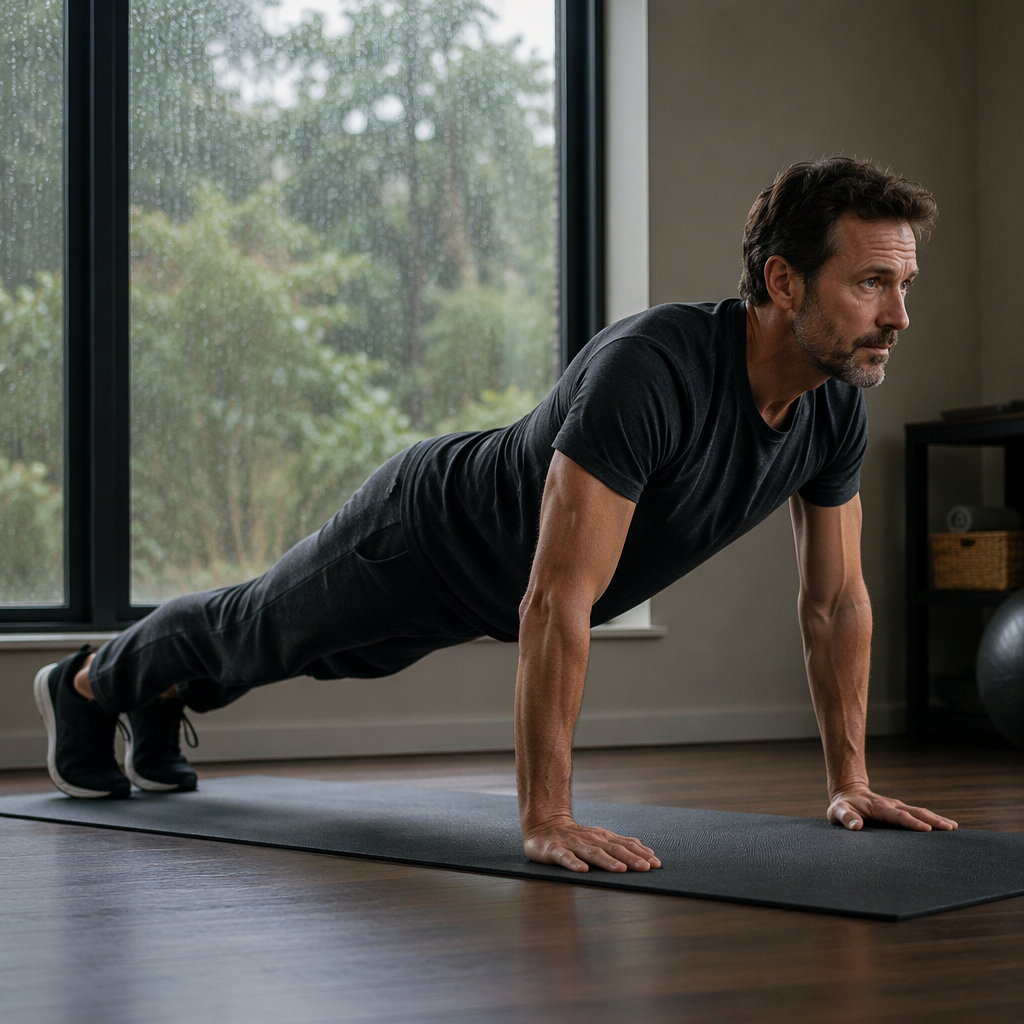

How to Exercise More Without Trying: Science-Backed Ways to Stay Active
Public health experts and behavioral scientists are pointing to a simpler approach to daily fitness that does not require grueling gym sessions or rigid schedules. Research shows that millions of people struggle with traditional workout plans, yet learning how to exercise more without trying offers a sustainable, research-backed alternative that fits seamlessly into modern life.
The concept revolves around optimizing non-exercise activity thermogenesis (NEAT)—the energy expended for everything people do outside of sleeping, eating, and sports-like exercise. From pacing during phone conversations to choosing active transit, these micro-movements aggregate into substantial health benefits over time.
Also read: How to Sleep Better: Science-Backed Strategies for Quality Rest
The Science of Incidental Physical Activity
According to research published in leading sports medicine journals, incidental movement plays a crucial role in metabolic health, cardiovascular resilience, and longevity. Prolonged sedentary behavior slows metabolism and increases risks for chronic conditions, even among individuals who complete an occasional hour-long workout.
Epidemiologists emphasize that the human body thrives on continuous, low-intensity engagement throughout the day. When physical activity is embedded directly into everyday routines, it removes the psychological barrier of finding dedicated “workout time,” allowing individuals to maintain optimal activity levels on autopilot.
Proven Strategies to Exercise More Without Trying
Health practitioners recommend several behavioral nudges that turn standard routines into calorie-burning, heart-strengthening opportunities:
1. Capitalize on Habit Stacking
Habit stacking links a new physical movement to an existing automatic habit. For instance, doing twenty calf raises while waiting for coffee to brew or performing light wall sits while brushing teeth requires zero schedule reorganization. These micro-habits rapidly become second nature.
2. Transform the Workday Environment
Sedentary office environments represent one of the biggest drivers of physical inactivity. Workers can build effortless activity into their day by adopting standing desks, conducting walking meetings, and placing printers or trash bins across the room rather than beside the desk.
3. Rethink Transit and Errands
Small adjustments to commuting habits yield significant cumulative dividends. Parking at the far end of the parking lot, taking the stairs instead of elevators, and exiting transit one stop early provide effortless ways to accumulate thousands of additional steps daily.
4. Active Leisure and Domestic Chores
Household chores—such as sweeping, gardening, and carrying groceries—substantially elevate heart rate and engage core stabilizing muscles. Similarly, shifting evening leisure toward interactive activities or stretching during television broadcasts turns downtime into functional recovery.
Psychological Barriers and Friction Reduction
Behavioral economists note that high friction prevents long-term exercise adherence. Demands such as packing gym gear, driving across town, and enduring intense exhaustion frequently trigger decision fatigue.
By shifting focus toward ambient movement, individuals bypass resistance. The strategy reframes movement not as a punishing task to complete, but as an ongoing default state of daily living.
What Happens Next
Public health agencies worldwide are increasingly updating national activity guidelines to emphasize the cumulative value of short movement snacks. Wearable technology developers are also recalibrating smartwatches and health trackers to reward frequent posture shifts and intermittent walking over isolated workout sessions.
As corporate wellness programs adapt to hybrid work realities, experts anticipate an ongoing surge in architectural and workplace designs tailored specifically to encourage continuous, organic mobility.
Conclusion
Achieving optimal physical health does not have to depend on intense gym workouts or exhausting regimes. Embracing incidental movement demonstrates that learning to exercise more without trying is both achievable and scientifically sound, helping individuals build lasting vitality simply by moving naturally throughout the day.