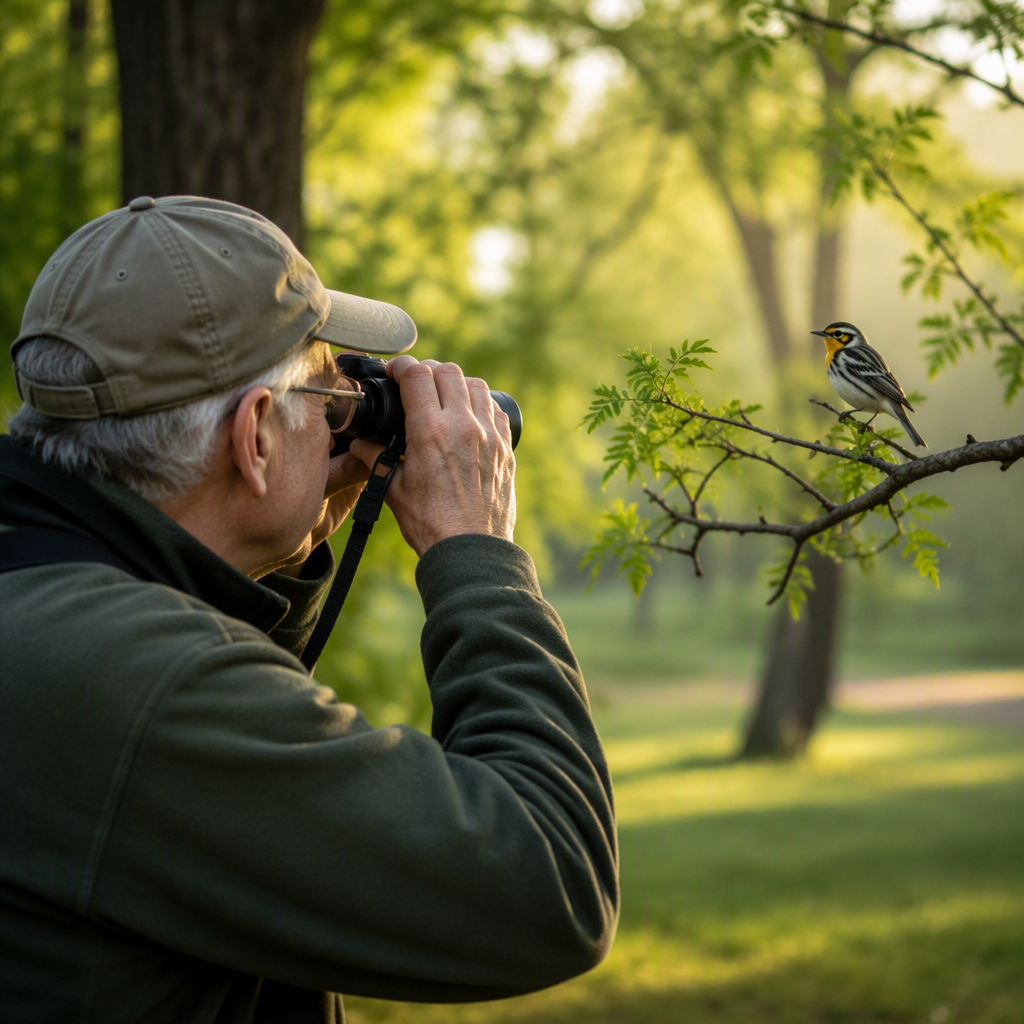

How Birdwatching Slows Cognitive Decline and Rewires the Brain, Study Shows
Engaging with nature has long been associated with lower stress levels, but a growing body of neurological research reveals a more profound biological benefit: birdwatching slows cognitive decline and actively rewires neural networks in aging adults. By demanding a unique combination of sensory acuity, pattern recognition, spatial navigation, and sustained attention, avian observation provides a comprehensive mental workout that strengthens brain resilience.
Neuroscientists and geriatric health specialists increasingly emphasize non-pharmacological interventions to combat age-related memory loss. Birdwatching, once viewed simply as a peaceful pastime, is emerging as an effective, multisensory tool capable of stimulating neuroplasticity—the brain’s ability to reorganize and form new synaptic pathways throughout life.
Also read: Microsoft AI Beats Doctors in Simulated Diagnosis Test, Study Shows
How Birdwatching Slows Cognitive Decline Through Neuroplasticity
Cognitive decline frequently begins with subtle deteriorations in working memory, processing speed, and sensory integration. Birdwatching directly challenges these faculties simultaneously. When an observer scans a tree canopy, their visual cortex must isolate micro-movements amid complex visual foliage.
At the same time, the auditory cortex works to isolate high-frequency calls, matching fleeting sounds against stored acoustic memories. According to cognitive researchers, this continuous cross-modal sensory processing forces disparate areas of the cerebral cortex to communicate rapidly.
By repeatedly exercising these pathways, birdwatchers stimulate dendritic branching—the growth of connections between neurons. This structural reinforcement helps preserve cognitive reserve, a buffer that delays the clinical onset of dementia and mild cognitive impairment (MCI).
The Neuroscience of “Visual Birding” and Memory Retrieval
Field identification requires rapid cataloging and fine-grained visual discrimination. Observers do not merely notice a bird; they instantly evaluate wing bars, bill shape, posture, plumage variation, and behavioral quirks.
This process relies heavily on the fusiform face area and higher-order visual association areas—regions often studied in perceptual expertise. Engaging these regions builds what researchers call perceptual learning, fine-tuning the brain to detect subtle anomalies at high speeds.
Furthermore, identifying a species activates the hippocampus and temporal lobes, where semantic and episodic memories are retrieved and organized. Recalling species names, habitat preferences, and seasonal migration patterns acts as an active retrieval exercise, known to protect against memory atrophy.
Stress Reduction and the Cortisol Connection
Beyond cognitive stimulation, birdwatching provides significant endocrine benefits. Chronic psychological stress elevates cortisol levels, a hormone known to damage the hippocampus and accelerate brain aging.
Studies published in ecological and environmental psychology demonstrate that viewing birds and hearing birdsong significantly reduce sympathetic nervous system arousal. Heart rates stabilize, blood pressure drops, and salivary cortisol levels decline within minutes of immersion in bird-rich environments.
By dampening chronic inflammation and chronic stress responses, birding creates a biochemical environment where neurons can survive and regenerate, further shielding the central nervous system from accelerated decline.
Physical Mobility and Environmental Navigation
Unlike sedentary mental puzzles, birdwatching frequently incorporates low-impact aerobic exercise. Enthusiasts traverse uneven woodland trails, maintain dynamic balance, and track moving targets across three-dimensional space.
Physical movement boosts cerebral blood flow, delivering oxygen and glucose essential for neuronal maintenance. Additionally, navigating unfamiliar geographic landscapes exercises the entorhinal cortex and place cells in the hippocampus, which govern spatial orientation and are among the earliest brain structures damaged by Alzheimer’s disease.
What Happens Next in Cognitive Health Research
Public health authorities and clinical researchers are expanding clinical trials to measure the precise neurological impacts of “nature prescribing” and guided birding programs. Upcoming studies at several major medical centers plan to use functional MRI (fMRI) imaging to track gray matter density changes in seniors participating in structured, multi-month bird identification programs.
Healthcare providers are also exploring birding as an accessible therapeutic intervention in assisted living communities and rehabilitation centers, integrating acoustic birding kits and accessible trail outings into preventive care regimens.
Conclusion
As modern medicine searches for scalable strategies to address global increases in dementia, everyday outdoor activities offer promising answers. Evidence continues to demonstrate that birdwatching slows cognitive decline, sharpens perceptual faculties, and fortifies the brain against aging. Taking a pair of binoculars into a local park is no longer just a weekend hobby—it is an investment in long-term neurological health.