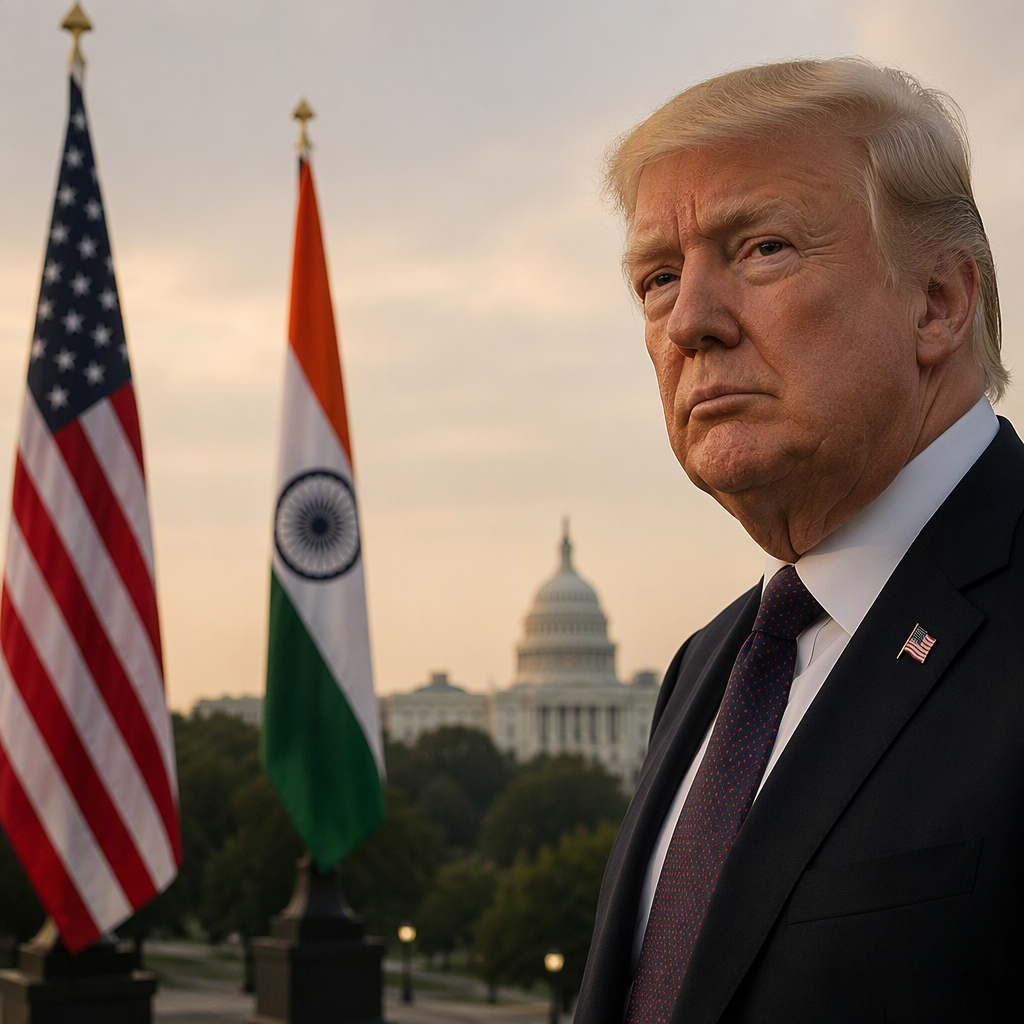

Why India Soured on Trump Ahead of US Midterms
Political observers have watched closely as India soured on Trump ahead of critical electoral contests in the United States. While high-profile rallies and public displays of friendship between Donald Trump and Prime Minister Narendra Modi once suggested an unprecedented diplomatic honeymoon, strategic realignments and economic friction gradually dismantled that optimism. Beneath the pomp of bilateral events, substantive policy disputes over trade, immigration, and global diplomacy steadily eroded New Delhi’s enthusiasm for the former American president.
The Illusion of Personal Chemistry vs. Policy Reality
Diplomatic pageantry initially defined the relationship between Donald Trump and Indian Prime Minister Narendra Modi. Stadium events such as the “Howdy, Modi!” gathering in Houston and the “Namaste Trump” reception in Ahmedabad presented an image of unbreakable bilateral unity. However, foreign policy analysts note that visual symbolism could not bridge the structural divides emerging across key strategic sectors.
Also read: Thousands Rally in New Delhi to Demand India’s Election Chief Resign
Behind the cameras, New Delhi experienced a volatile negotiating environment. While Indian leaders welcomed Trump’s firm posture against Beijing and the elevation of the Quadrilateral Security Dialogue (Quad), the transactional nature of the Trump administration’s foreign policy created chronic uncertainty for Indian policymakers.
Trade Battles: How Tariffs Ensured India Soured on Trump
Economic disputes formed the primary catalyst that alienated New Delhi. Trump repeatedly referred to India as the “tariff king,” criticizing India’s protectionist duties on American products, particularly Harley-Davidson motorcycles, agricultural goods, and medical devices.
Tensions escalated significantly when Washington revoked India’s preferential trade status under the Generalized System of Preferences (GSP) program. The GSP had granted duty-free treatment to approximately $5.6 billion worth of Indian exports to the United States. In response, India imposed retaliatory tariffs on 28 American products, including almonds, apples, and walnuts, signaling a rare and direct trade confrontation between the two strategic partners.
Immigration and the H-1B Visa Crackdown
Immigration policy delivered another substantial blow to the partnership. Indian tech giants and skilled workers rely heavily on the United States H-1B visa program to service American clients and drive software innovation. Under the Trump administration’s “Buy American, Hire American” executive agenda, the U.S. Citizenship and Immigration Services increased visa denial rates and issued frequent requests for evidence.
These policy shifts created widespread anxiety among India’s vast diaspora and directly impacted the revenues of top Indian IT service companies. The uncertainty surrounding legal migration channels dampened Indian public opinion toward the Trump administration during key campaign seasons.
Geopolitical Friction: Energy, Sanctions, and Strategic Autonomy
Foreign policy misalignment further widened the rift between Washington and New Delhi. India has long guarded its strategic autonomy, maintaining multifaceted diplomatic partnerships across competing global powers.
The Iranian Oil Conundrum
When the Trump administration unilaterally withdrew from the Joint Comprehensive Plan of Action (JCPOA) and reimposed secondary sanctions on Iran, India faced severe energy disruption. New Delhi had to halt all crude oil imports from Tehran, traditionally one of its cheapest and closest energy suppliers, driving up national fuel import bills.
Defense Ties and CAATSA Threats
India’s procurement of the Russian-made S-400 Triumf air defense system also drew persistent threats of punitive sanctions under the Countering America’s Adversaries Through Sanctions Act (CAATSA). Indian officials viewed these threats as an infringement on national sovereignty and defense preparedness.
Kashmir Mediation Missteps
Trump’s repeated, unsolicited offers to mediate the long-standing Kashmir dispute between India and Pakistan directly contradicted New Delhi’s bipartisan doctrine, which holds that Jammu and Kashmir is an internal matter resolvable only bilaterally with Islamabad.
What Happens Next for India-US Relations?
As American midterms reshape the legislative landscape in Washington, Indian policymakers continue to pursue a pragmatic, bipartisan approach. Strategic cooperation through the Quad, defense intelligence sharing, and joint technology initiatives remain robust regardless of shifting political administrations.
Nevertheless, the structural lessons of past tensions endure. Indian diplomats now prioritize institutional guardrails over individual leadership chemistry to ensure economic and defense partnerships withstand sudden political changes in Washington.
Conclusion
The record illustrates clearly why India soured on Trump during high-stakes political cycles. Harsh trade measures, unpredictable visa crackdowns, and unilateral foreign policy decisions conflicted directly with New Delhi’s national interests. While the broader India-US strategic partnership remains vital for Indo-Pacific stability, New Delhi’s experience has reinforced the necessity of resilient, policy-based diplomacy over personal political spectacles.
1 Comment
Comments are closed.