
Flávio Bolsonaro Asserts Role as Leader in Brazil Following Election Loss
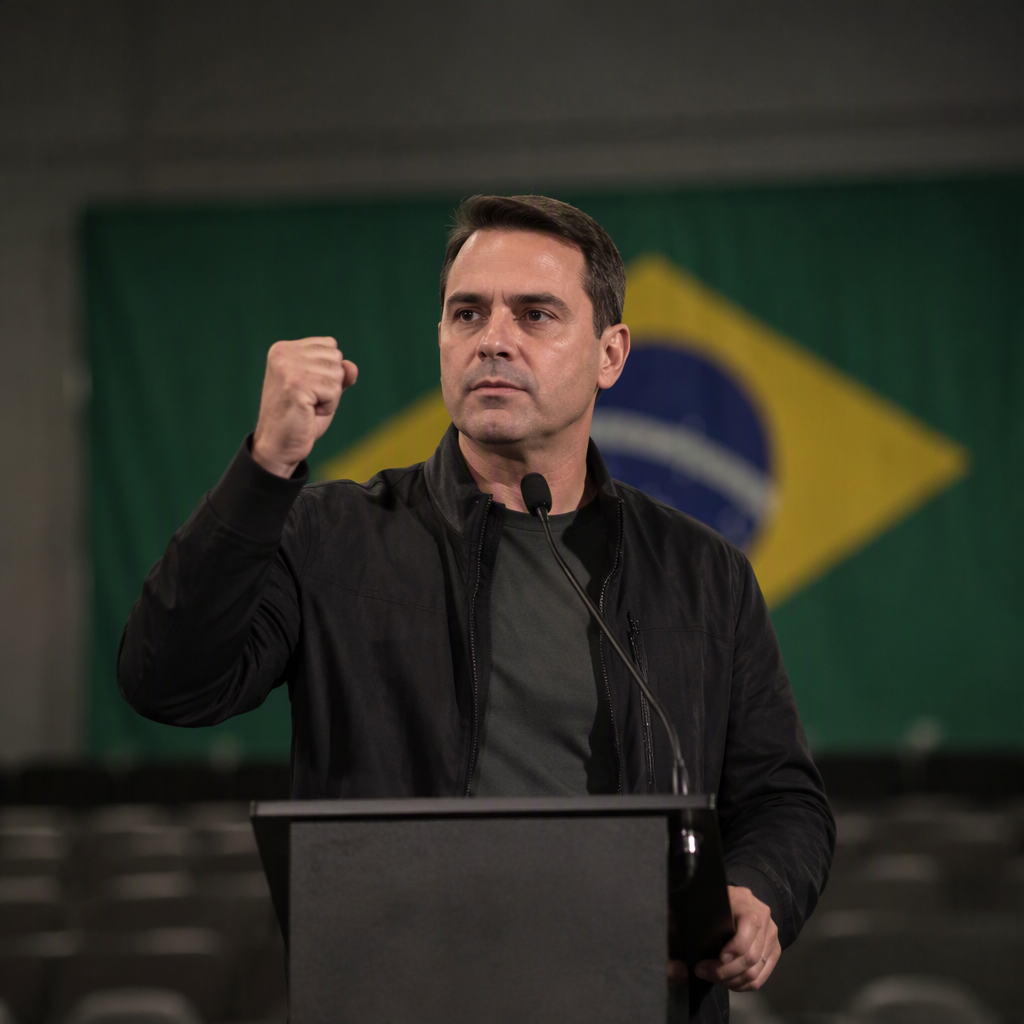
Brazilian Senator Flávio Bolsonaro has asserted himself as a principal political figure and leading voice for the conservative opposition, sparking widespread debate across the nation’s political landscape. His public positioning follows the bitter presidential defeat of his father, former President Jair Bolsonaro, and comes as Brazil’s right-wing movement searches for direction in the post-election era.
Flávio Bolsonaro, the eldest son of the former president and a current federal senator representing Rio de Janeiro, has increasingly taken on the mantle of primary spokesperson for the Bolsonarista political base. With his father sidelined by legal challenges and electoral bans, the senator has stepped forward to claim authority over the conservative coalition in the National Congress.
Also read: Flávio Bolsonaro Faces Scrutiny Over US Travel and Visas After Election Loss
Flávio Bolsonaro and the Battle for Conservative Leadership
The declaration highlights the ongoing realignment inside Brazilian politics since President Luiz Inácio Lula da Silva narrowly reclaimed the presidency. Following that loss, the conservative bloc faced immediate questions regarding succession and leadership. Flávio Bolsonaro has moved aggressively to consolidate control over his family’s loyal electorate, framing himself as an indispensable figure capable of guiding the country’s right-wing voters.
Political observers note that Flávio’s rhetoric serves a dual purpose. It reassures grassroots supporters that the Bolsonaro dynasty remains active while sending an unmistakable signal to allies within the Liberal Party (PL) that the family expects to dictate legislative strategy and candidate selection in upcoming election cycles.
Internal Power Dynamics in the Liberal Party
Despite his prominent lineage, Flávio Bolsonaro faces competition within his own coalition. The Liberal Party, led by veteran political operator Valdemar Costa Neto, holds the largest bloc of seats in the Chamber of Deputies. While party leadership acknowledges the drawing power of the Bolsonaro brand, several pragmatic lawmakers favor a broader, more institutional approach to opposing Lula’s administration.
Other prominent right-wing figures, including São Paulo Governor Tarcísio de Freitas and former First Lady Michelle Bolsonaro, frequently appear in national polls as viable standard-bearers for the conservative movement. Flávio Bolsonaro’s self-positioning as a primary national leader represents an effort to maintain his direct influence over party machinery ahead of regional and federal races.
Legal Scrutiny and Opposition Challenges
The senator’s elevated political profile comes against a backdrop of continuing judicial scrutiny. Brazilian electoral and judicial authorities have placed key members of the Bolsonaro circle under investigation for various controversies stemming from their term in office and the events surrounding the post-election period in Brasília.
Critics from the governing coalition have dismissed the senator’s assertions, characterizing them as an attempt to project strength amid declining political leverage. Lawmakers aligned with President Lula maintain that the opposition remains fractured and lacks a coherent legislative platform beyond cultural grievances.
What Happens Next
Brazil’s political calendar will test Flávio Bolsonaro’s claims of leadership in the months ahead. As congressional battles over economic reforms, tax policy, and judicial appointments intensify, the senator will need to prove he can unite a diverse conservative caucus in the Senate and coordinate effectively with the lower house.
In conclusion, while Flávio Bolsonaro seeks to solidify his standing as a national leader in Brazil after the historic election loss, his long-term success will depend on his ability to navigate mounting legal pressures and maintain party cohesion against ambitious rivals within his own political camp.