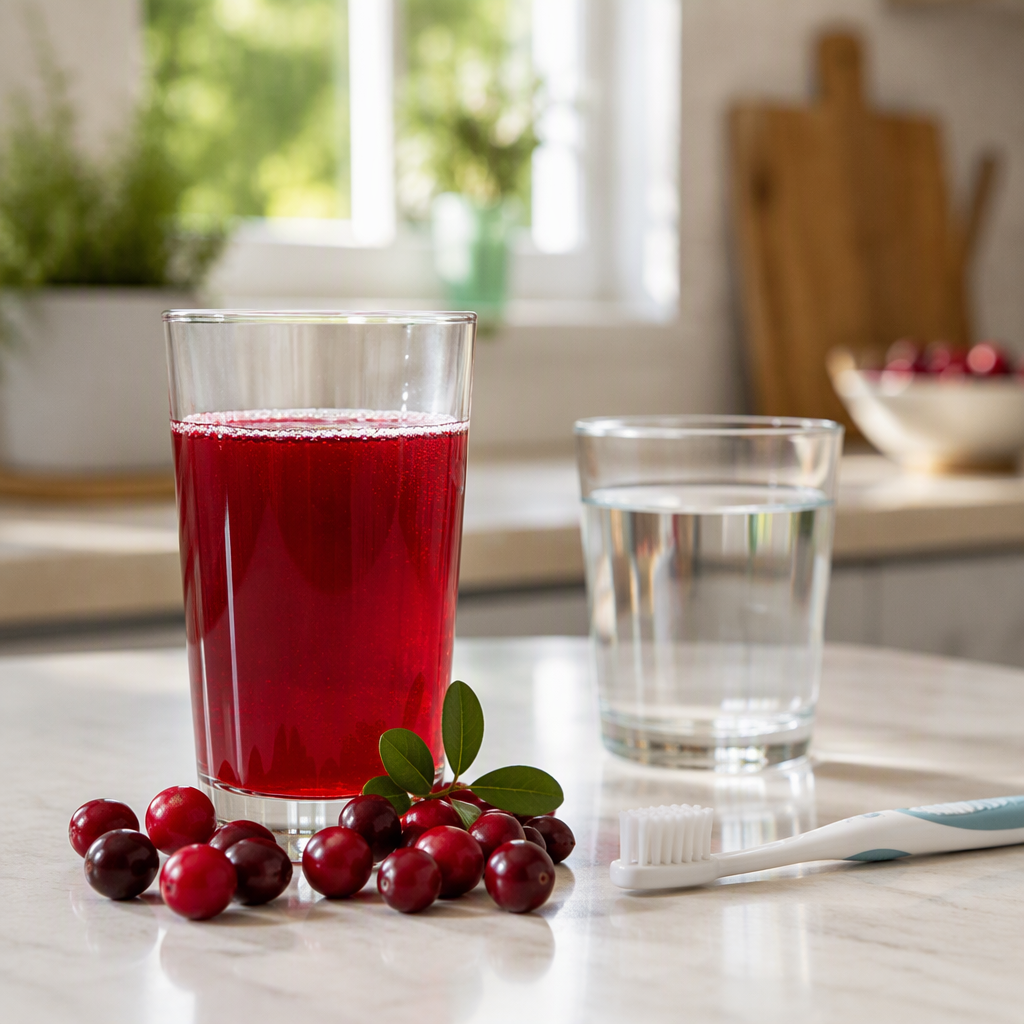

Cranberry Juice Dental Benefits: Why Sipping It Wrong Could Harm Your Teeth
Cranberry juice has long held a prominent place in wellness routines for urinary tract health, but recent research reveals it may also protect smiles. Scientists have identified remarkable cranberry juice dental benefits, demonstrating that the tart fruit contains compounds capable of disrupting dental plaque and stopping cavity-causing bacteria in their tracks. However, dental professionals caution that consuming this beverage the wrong way can quickly backfire, accelerating enamel erosion and promoting tooth decay.
The secret behind the fruit’s oral health advantages lies in its bioactive compounds, particularly polyphenols known as proanthocyanidins (PACs). According to studies examining oral microbiology, these plant chemicals act as a natural defense mechanism against Streptococcus mutans, the primary bacterium responsible for tooth decay.
Also read: Paper Straws May Do More Harm Than Good, Study Warns Over Toxic Chemicals
The Science Behind Cranberry Juice Dental Benefits
Unlike conventional antimicrobial agents that destroy bacteria indiscriminately, cranberry polyphenols work by altering bacterial behavior. Dental research from institutions including the University of Rochester Medical Center shows that proanthocyanidins prevent oral bacteria from adhering to tooth surfaces.
Bacteria in the mouth rely on sticky glucans—sugary polymers synthesized by enzymes called glucosyltransferases—to build a protective biofilm known as dental plaque. Cranberry components inhibit these enzymes, making it significantly harder for plaque to form and mature. By preventing bacteria from colonizing the teeth, cranberries theoretically lower the risk of cavities and periodontal disease.
Furthermore, research indicates that cranberry extracts can suppress the acid production of plaque bacteria, potentially reducing the acid attacks that weaken teeth after meals.
The Hidden Risks: Acidity and Added Sugar
While the laboratory findings are promising, drinking conventional cranberry juice off the supermarket shelf presents serious risks to oral health. Dentists warn that two major factors can turn this potential remedy into a dental hazard: extreme acidity and high sugar content.
Natural cranberries are intensely sour, registering a pH between 2.3 and 2.5 on the acidity scale. For perspective, tooth enamel begins to demineralize at a critical pH threshold of approximately 5.5. When acidic liquids bathe the teeth, they soften the hard outer mineral layer, leaving it vulnerable to irreversible acid erosion.
To mask this natural tartness, commercial manufacturers often add substantial amounts of refined sugar or high-fructose corn syrup to standard cranberry juice cocktails. A single cup can contain as much sugar as a can of soda. When combined with oral bacteria, this added sugar fuels the very decay process that pure cranberry polyphenols are meant to combat.
How to Maximize Cranberry Juice Dental Benefits Safely
Dental professionals emphasize that consumers do not need to avoid the fruit entirely, but they must adjust their consumption habits to protect their enamel. To capture the nutritional perks while avoiding the risks, experts recommend several practical steps:
- Choose unsweetened varieties: Look for 100% pure, unsweetened cranberry juice rather than sweetened cranberry cocktails to avoid feeding harmful oral bacteria.
- Dilute with water: Mixing pure juice with still water helps raise the overall pH level, reducing its erosive potential against tooth enamel.
- Drink with a straw: Using a straw directs the liquid toward the back of the mouth, minimizing direct contact with front teeth.
- Rinse immediately: Swish with plain water immediately after drinking to wash away residual acids and restore a neutral pH in the mouth.
- Delay brushing: Wait at least 30 to 60 minutes before brushing your teeth. Brushing while enamel is temporarily softened by acid can scrub away precious minerals.
What Happens Next in Oral Care
Because whole cranberry juice carries inherent acid risks, researchers are focusing on isolating beneficial polyphenols for use in targeted oral care products. Dental scientists are currently developing specialized mouth rinses, toothpastes, and dental varnishes that harness cranberry PACs without exposing teeth to fruit acids or added sugars.
Clinical trials continue to explore whether these purified botanical extracts can serve as natural adjuncts in preventing chronic gum inflammation and pediatric cavities.
Conclusion
The evidence supporting cranberry juice dental benefits highlights the power of food-based bioactives in preventive oral care. While its natural compounds effectively block plaque and combat bacteria, drinking commercial, sugary, or highly acidic formulations can easily damage enamel. By choosing unsweetened options and practicing smart dental hygiene, consumers can enjoy the nutritional advantages without putting their teeth at risk.