
What’s Next for Brazil’s Flavio Bolsonaro After Election Defeat?
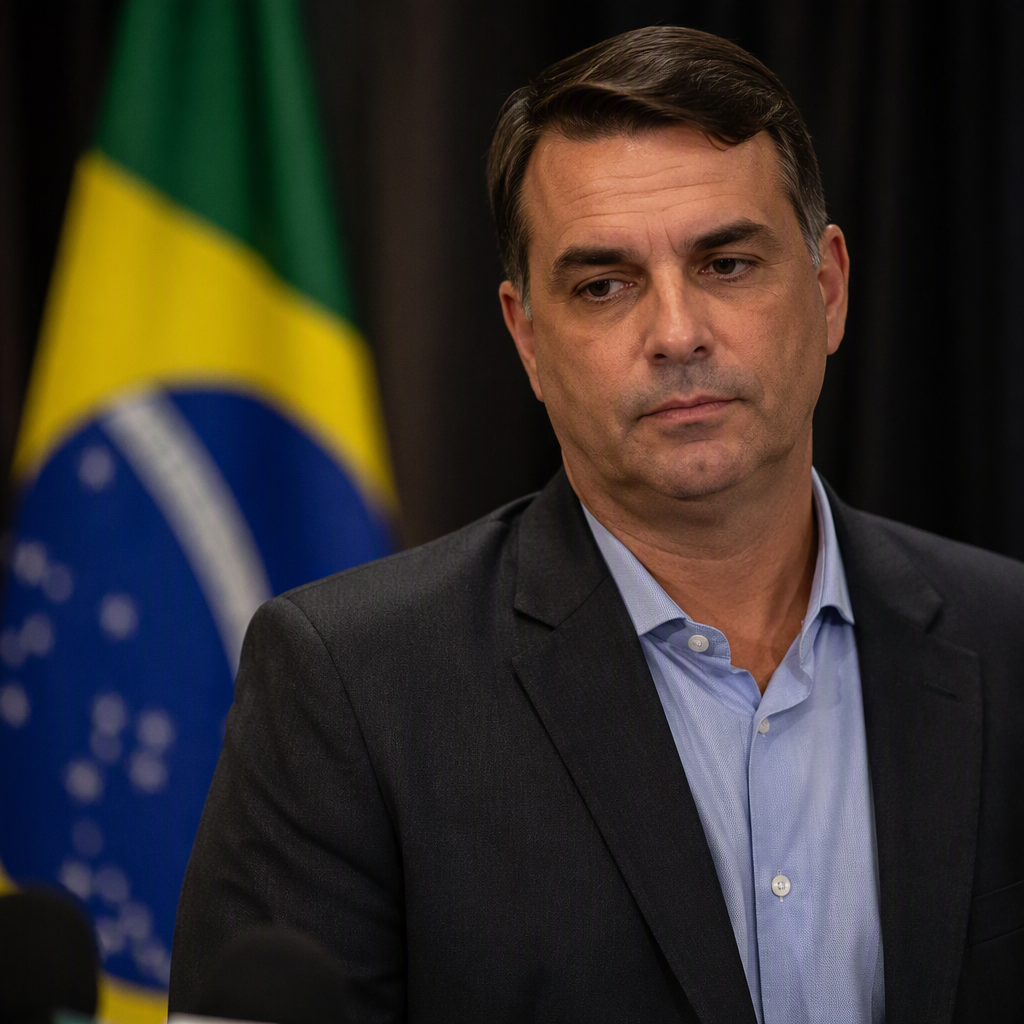
Following high-profile political setbacks for the Bolsonaro coalition, including the loss of the presidency and recent municipal stumbles in conservative strongholds, Brazilian politics is witnessing a realignment on the right. For the eldest son of former President Jair Bolsonaro, the path forward for Flavio Bolsonaro after election defeat involves recalibrating his strategy, protecting his family’s political capital, and solidifying his role as a leading opposition figure in Brasília.
Currently serving as a federal senator representing Rio de Janeiro, Flávio Bolsonaro remains in office through early 2027. While electoral losses have diminished the family’s executive power, they have also elevated the senator into a pivotal role as the chief legislative negotiator for the conservative Liberal Party (PL).
Also read: Flávio Bolsonaro Asserts Role as Leader in Brazil Following Election Loss
Consolidating Power in the Federal Senate
Unlike his brothers—federal deputy Eduardo Bolsonaro and former Rio city councilman Carlos Bolsonaro—Flávio has cultivated a reputation as the most pragmatic political operator in the family. In the wake of national and regional electoral setbacks, his primary arena of influence is the National Congress.
In the Federal Senate, Flávio has focused on organizing the conservative bloc against the legislative agenda of President Luiz Inácio Lula da Silva. Rather than relying solely on aggressive rhetoric, he has engaged in institutional maneuvers, working closely with PL leadership and centrist parties to block government nominees, alter fiscal proposals, and demand greater scrutiny of judicial actions.
This institutional positioning allows him to stay visible and relevant, serving as a vital bridge between grassroots right-wing voters and traditional center-right party bosses.
Challenges Facing Flavio Bolsonaro After Election Defeat
Navigating the political landscape for Flavio Bolsonaro after election defeat is complicated by several distinct hurdles that threaten to limit his room for maneuver.
Judicial Scrutiny and Political Ineligibility
The broader Bolsonaro movement received a major blow when the Superior Electoral Court (TSE) ruled Jair Bolsonaro ineligible to run for public office until 2030. This ruling places immense pressure on the family to maintain its leadership without its most potent figure on the ballot. Additionally, ongoing investigations into the events of January 8, 2023, and related probes create ongoing legal risks for the former president’s inner circle.
Electoral Realities in Rio de Janeiro
The Bolsonaro brand suffered local defeats in key municipalities, notably in Rio de Janeiro, where Bolsonaro-backed mayoral candidates struggled against well-established incumbents. These municipal results demonstrated that the surname alone does not guarantee victory, requiring Flávio to rebuild local party machinery and expand his coalition beyond hardline supporters.
Succession Battles and the 2026 Horizon
With Jair Bolsonaro barred from the ballot, the question of who will inherit the mantle of the Brazilian right in the 2026 general election remains wide open. Several figures are currently positioning themselves for national leadership:
- São Paulo Governor Tarcísio de Freitas: A former infrastructure minister under Bolsonaro who commands significant institutional power and private-sector support.
- Former First Lady Michelle Bolsonaro: A charismatic figure who holds considerable appeal among Brazil’s growing evangelical voting bloc.
- Flávio Bolsonaro: The primary political strategist among the siblings, capable of running for national executive office or defending his Senate seat.
Political analysts suggest that Flávio may prioritize securing a second eight-year term in the Senate in 2026, or potentially running for Governor of Rio de Janeiro, rather than launching an uphill presidential campaign. Holding a high-profile legislative or state executive office would provide him with constitutional protections and long-term influence.
What Happens Next?
In the near term, Flávio Bolsonaro will concentrate his efforts on the upcoming Senate leadership elections and legislative battles over judicial reform and economic policy. As the PL maneuvers to maintain its standing as Brazil’s largest congressional faction, Flávio’s ability to maintain discipline among conservative lawmakers will be closely watched.
Over the next two years, his focus will pivot toward alliance-building ahead of the 2026 general election, working to ensure that the Bolsonaro brand remains central to any conservative coalition aiming to challenge the governing Workers’ Party (PT).
Conclusion
The trajectory for Flavio Bolsonaro after election defeat demonstrates a shift from executive dominance to disciplined parliamentary opposition. While the Bolsonaro dynasty faces unprecedented legal constraints and voter fatigue in key regions, the Rio senator remains one of the most influential right-wing figures in the country. His future will depend on whether he can transform grassroots conservative sentiment into durable legislative leverage and electoral victories in 2026.