
No, France Is Not Burning: Fact-Checking Viral Claims and Social Media Hype
Social media feeds across the globe have once again amplified dramatic claims that France is engulfed in chaos, but the reality on the ground confirms that France is not burning. While demonstrations, strikes, and localized clashes occasionally capture international headlines, widespread claims of nationwide destruction rely heavily on out-of-context video clips, recycled footage, and digital exaggeration.
International observers and tourists browsing viral platforms often encounter apocalyptic imagery depicting Paris and other major cities under siege. However, municipal authorities, local residents, and independent fact-checkers continue to document a markedly different everyday reality across the country.
Also read: Has Flávio Bolsonaro Left Brazil to Evade Justice? Fact-Checking the Rumors
Why Social Media Claims France Is Burning
The narrative that France is collapsing into civil unrest typically spikes whenever labor unions organize national strikes or when localized protests erupt over economic policies, pension reforms, or policing. Algorithm-driven platforms tend to prioritize high-intensity visual content, rewarding sensationalism over proportion.
During recent demonstrations, fact-checking organizations identified several recurring patterns of misinformation:
- Recycled footage: Videos from riots years prior, or even from entirely different countries, are regularly recirculated as breaking news.
- Selective framing: Tight camera angles focused on a single burning trash receptacle or isolated flare can create the illusion of an entire boulevard on fire.
- Misattributed events: Footage from film sets, festivals, and sporting celebrations has repeatedly been mislabeled as anti-government violence.
The Reality on the Ground in Paris and Beyond
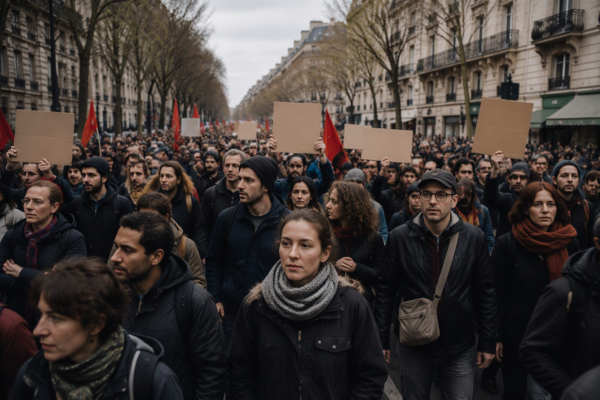
While public demonstrations are an established part of French civic expression, they are largely planned, heavily monitored, and confined to specific routes. Major transportation networks, schools, hospitals, and commercial sectors routinely operate without interruption outside designated protest perimeters.
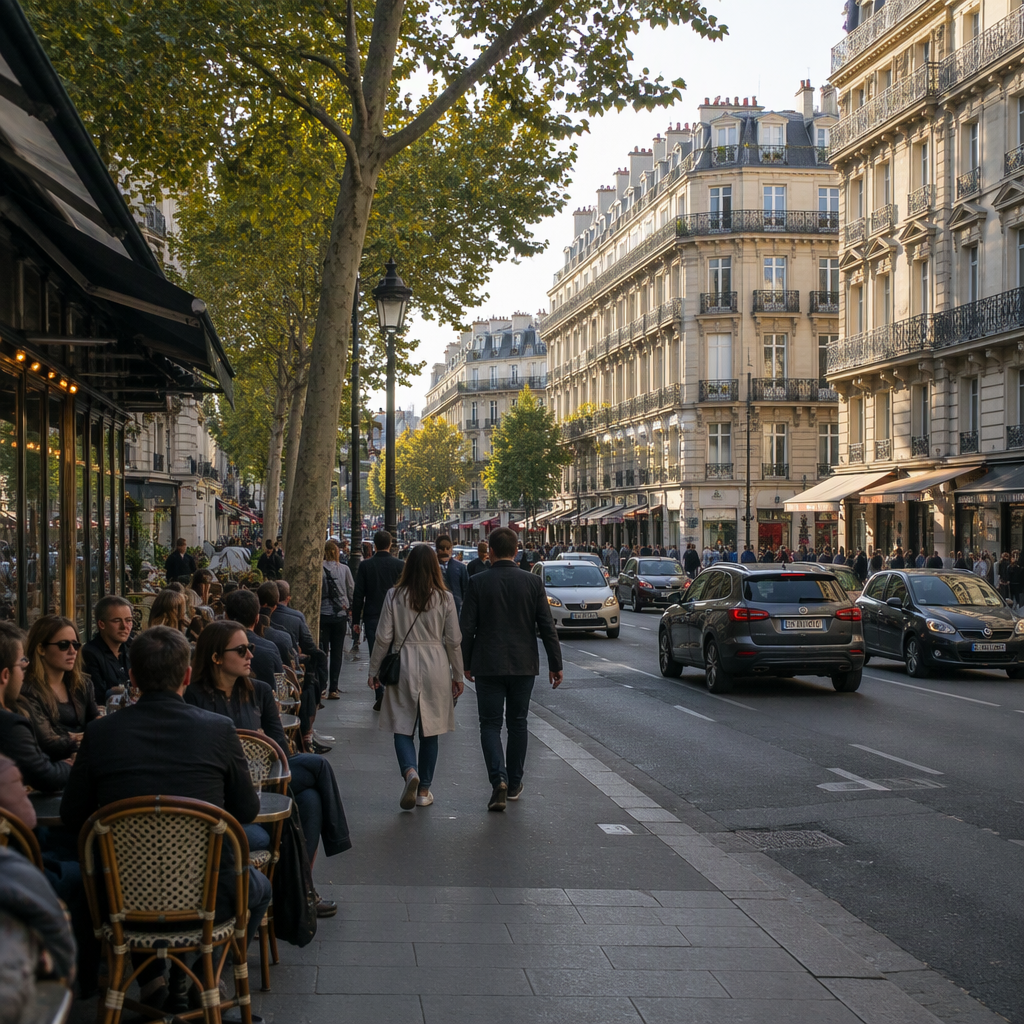
Even on days with large union turnout, the vast majority of French municipalities experience normal daily routines. Cafes, museums, and public parks remain open to millions of residents and international visitors. Where confrontations do occur between fringe agitators and security forces, they are typically localized to specific intersections and dispersed quickly by law enforcement.
Disinformation Campaigns Amplify Division
Media analysts point out that exaggerated narratives serve broader political agendas. Foreign influence operations and hyper-partisan accounts frequently leverage civil unrest in Western democracies to promote themes of institutional failure and social breakdown.
Disinformation monitors note that catastrophic framing not only damages international tourism but also distorts public perception of legitimate democratic dissent. By amplifying violent fringe activity, digital platforms obscure the policy debates central to peaceful civic demonstrations.
What Happens Next
French authorities and digital platforms face mounting pressure to counter viral disinformation during periods of civic mobilization. Independent verification networks and news organizations are deploying open-source intelligence tools to debunk miscaptioned media in real time.
While France continues to navigate economic and political debates, the assertion that France is burning remains an online distortion disconnected from daily life across the republic.