
Microsoft AI Beats Doctors in Simulated Diagnosis Test, Study Shows
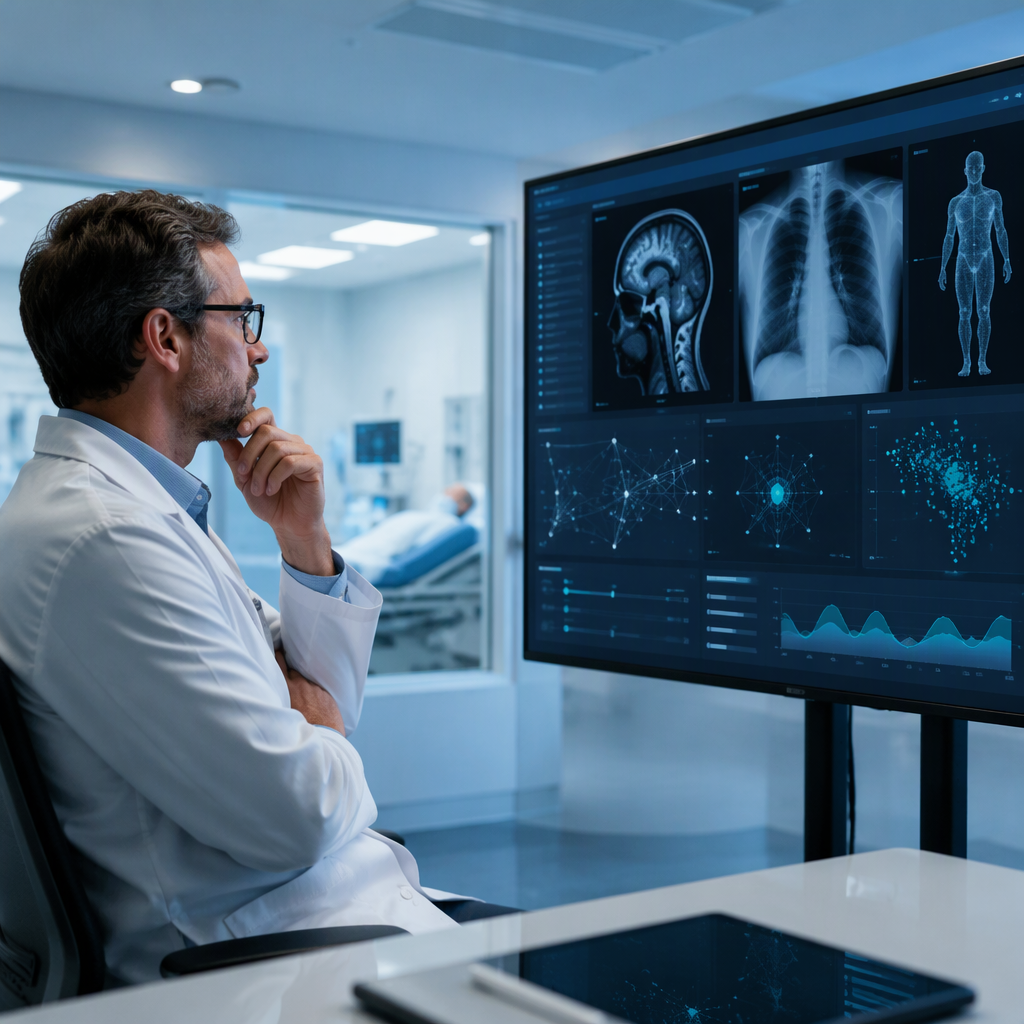
In a major milestone for clinical artificial intelligence, a new study demonstrates that Microsoft AI beats doctors in a rigorous simulated diagnosis test, showcasing superior precision when analyzing complex medical vignettes and generating differential diagnoses.
The comparative research assessed the diagnostic reasoning of advanced foundation models developed and evaluated by Microsoft researchers against experienced human clinicians. Using standardized case simulations, the AI system consistently identified correct primary conditions and plausible alternative diagnoses at higher rates than participating medical practitioners.
Also read: The Simple Fitness Test That Predicts Your Risk of Death: How the Sitting-Rising Test Works
How Microsoft AI Outperformed Physicians in the Study
The diagnostic study presented both licensed physicians and the AI model with intricate, multifaceted clinical scenarios. These cases mirrored complex clinical encounters containing fragmented patient histories, lab results, imaging descriptions, and symptom chronologies across multiple specialties.
Independent medical evaluators graded both sets of diagnostic outputs blindly. The results revealed that the AI model generated more accurate primary diagnoses and assembled more thorough differential diagnostic lists. Furthermore, the model required significantly less time to process vast amounts of unstructured medical data, demonstrating high recall of rare diseases and atypical symptom presentations.
While human clinicians frequently arrived at correct determinations for common conditions, the AI maintained consistency across rarer, diagnostically elusive cases where cognitive fatigue or diagnostic anchoring can hinder human decision-making.
Why Microsoft AI Beats Doctors in Controlled Tests but Faces Real-World Limits
Although the benchmark confirms that Microsoft AI beats doctors in theoretical accuracy, researchers and medical professionals emphasize that standardized vignettes differ substantially from bedside medicine.
In routine medical practice, physicians do not receive neatly compiled paragraphs of patient data. Clinical diagnosis involves physical examinations, non-verbal cues, patient-doctor rapport, and navigating missing or misleading information provided by stressed patients.
Key differences between the simulation and real-world clinical care include:
- Physical Examination: AI cannot palpate an abdomen, auscultate heart sounds, or observe subtle neurological changes firsthand.
- Data Cleanliness: Case vignettes provide curated inputs, whereas real electronic health records (EHRs) often contain conflicting, duplicated, or incomplete entries.
- Human Nuance: Clinicians balance clinical guidelines with patient values, emotional distress, and socioeconomic factors that influence treatment adherence.
Implications for Healthcare and Decision Support
Medical experts view the findings not as a signal to replace human clinicians, but as definitive proof that AI can serve as a potent clinical co-pilot. Diagnostic errors contribute significantly to patient morbidity worldwide, often stemming from cognitive overload or system pressures on understaffed medical teams.
By integrating diagnostic algorithms into clinical workflows, healthcare systems could provide doctors with a reliable second opinion. The technology could highlight overlooked potential conditions, suggest targeted laboratory tests, and decrease diagnostic delays in busy emergency rooms and primary care clinics.
What Happens Next
Microsoft and collaborating clinical institutions plan to expand testing into prospective clinical trials within controlled hospital environments. Researchers will examine how diagnostic accuracy changes when physicians actively consult the AI tool during active patient assessments.
Regulatory bodies, including the U.S. Food and Drug Administration (FDA), are monitoring such developments closely to establish clear governance, safety protocols, and liability standards before autonomous or semi-autonomous diagnostic tools enter broad clinical deployment.
Conclusion
The finding that Microsoft AI beats doctors in a simulated diagnosis test highlights the extraordinary velocity of medical machine learning. While human empathy and physical clinical evaluation remain indispensable to patient care, algorithmic assistance is poised to become an essential tool in reducing diagnostic errors and supporting clinicians worldwide.




3 Comments
Comments are closed.