
Emotional Reunions as Oleshky Evacuees Reunite with Loved Ones
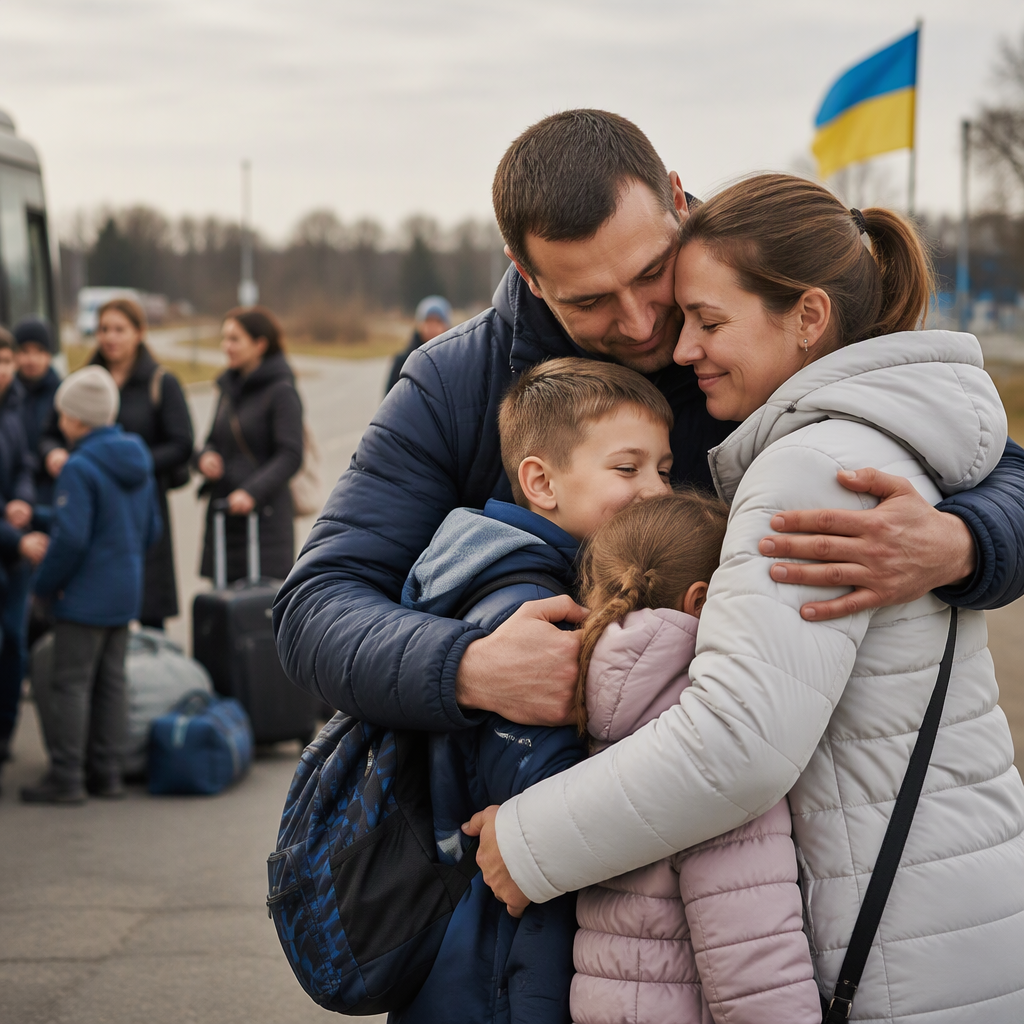
Tears of relief, tight embraces, and overwhelmed silences marked emotional scenes across regional transit hubs this week as families welcomed arriving Oleshky evacuees, many of whom endured months of separation, military occupation, and devastating environmental catastrophe before reaching safety.
For dozens of families separated since the onset of full-scale conflict and the catastrophic destruction of the Kakhovka Dam, these arrivals represent an end to months of agonizing uncertainty. Relatives waited anxiously at train stations and volunteer assistance centers in cities such as Zaporizhzhia, Odesa, and Kyiv, holding flowers, signs, and warm blankets to greet their loved ones.
Also read: Ukrainian Evacuees Reunite With Family After Years Trapped in Russia-Occupied City
The Perilous Path to Safety for Oleshky Evacuees
Oleshky, situated on the occupied left bank of the Dnipro River in Kherson Oblast, has faced immense hardship over the past two years. When the Nova Kakhovka Dam collapsed in June 2023, the town was among the hardest hit by rising waters, leaving residents marooned on rooftops without clean water, electricity, or organized state assistance.
For Oleshky evacuees, getting out of the flooded and heavily militarized zone required navigating dangerous checkpoints, strict security screenings, and complicated transit routes spanning thousands of miles through third countries. Many elderly residents and families with young children spent weeks attempting to secure transport through informal networks and humanitarian conduits.
“We lived without communications for weeks, listening to shelling and watching the water rise,” said Olena, a 48-year-old resident who reunited with her adult daughter in Kyiv after an exhausting six-day detour. “To finally touch my daughter’s hand and know we survived feels surreal.”
Volunteer Networks and Grassroots Rescue Operations
The successful extraction of civilians from the occupied east bank has largely been propelled by volunteer groups, local rescue networks, and humanitarian organizations. Operating under extreme security risks, local drivers and covert coordinators have continually helped vulnerable residents bypass frontline hazards.
Charitable foundations on the ground have established reception centers offering hot meals, emergency medical checkups, and temporary shelter. Volunteer social workers and psychologists are positioned at arrival hubs to assist evacuees immediately upon disembarkation, guiding them through identity documentation replacement and social welfare registration.
Addressing Health and Psychological Needs
Many arriving evacuees arrive in fragile physical health, suffering from chronic conditions exacerbated by severe shortages of medicine in occupied territories. Exposure to contaminated floodwaters, poor nutrition, and prolonged psychological trauma have also taken a severe toll on survivors.
Medical teams stationed at arrival points reported cases of severe stress, hypothermia, and untreated cardiovascular issues among elderly evacuees. Immediate psychological first aid has become a vital component of the emergency reception process, helping individuals decompress after months under constant strain.
What Happens Next for Resettled Families
Following these heartfelt reunions, newly arrived families face the daunting challenge of rebuilding their lives from scratch. Most evacuees left their hometown with only small backpacks containing basic paperwork and personal mementos, having lost their homes, furniture, and family archives to floodwaters and artillery damage.
Local authorities and non-governmental organizations are working to secure medium-term housing for families unable to stay with relatives. State resettlement stipends, humanitarian cash assistance, and community integration programs are being deployed to help evacuees secure rental accommodations, enroll children in local schools, and access medical care in safe regions.
Conclusion
While the path ahead remains filled with practical and emotional hurdles, the emotional homecomings of Oleshky evacuees stand as a poignant testament to human resilience and family devotion in the face of wartime disruption. For those reunited on train station platforms, simply being together marks the beginning of healing after surviving unimaginable adversity.