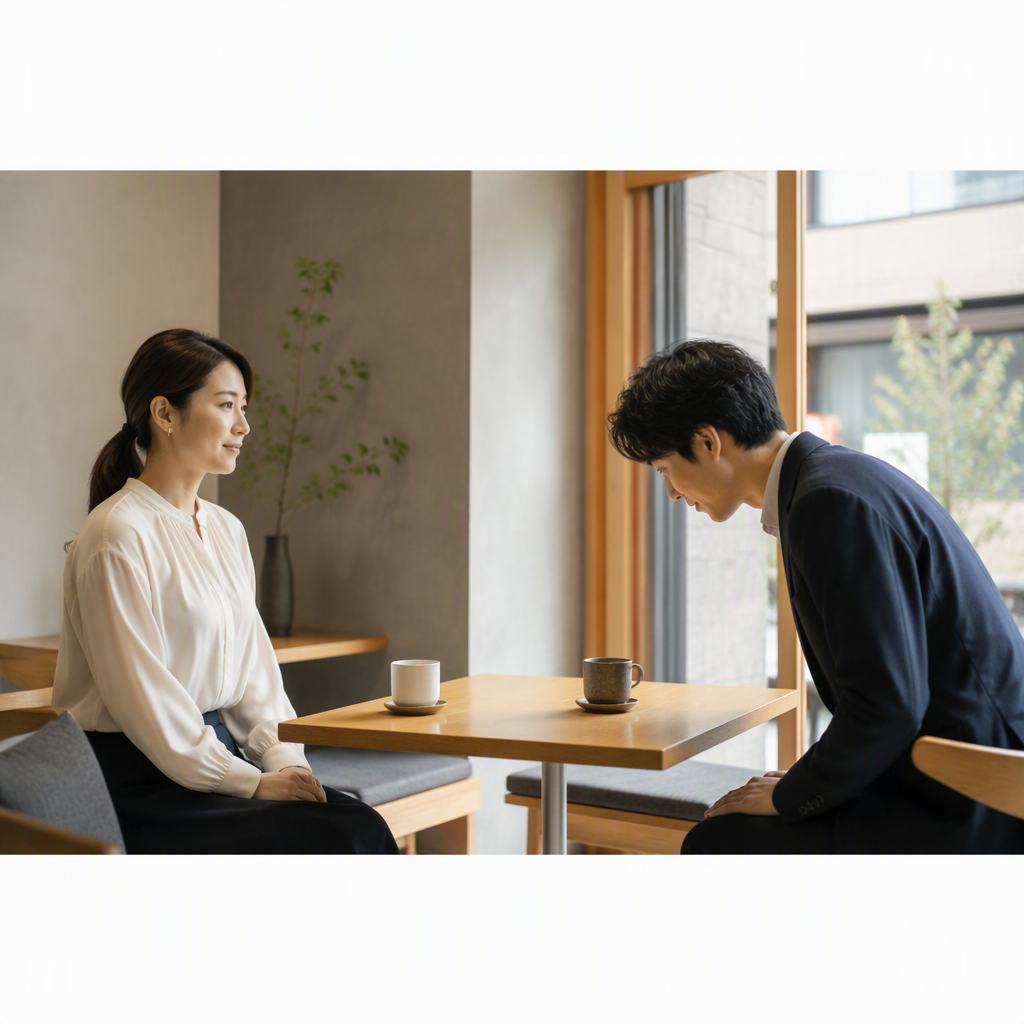

The Unspoken Rules of Japanese Body Language: A Guide to Silent Etiquette
In international diplomacy, business negotiations, and casual tourism, words convey only a fraction of the message. In Japan, nonverbal communication carries profound cultural weight. Mastering Japanese body language requires an understanding of unspoken conventions, where posture, eye direction, and hand placement can signal respect, modesty, or unintended offense.
Japan is widely recognized by sociologists as a high-context culture. In daily interactions, much of the meaning is embedded in the environment, context, and physical deportment rather than explicit verbal statements. The societal concept known as kuuki o yomu—literally translating to “reading the air”—relies extensively on interpreting subtle physical signals before a single word is uttered.
Also read: Why Germans Won’t Buy a Round of Beer: The Etiquette Behind Germany’s Pub Culture
Key Elements of Japanese Body Language and Etiquette
Understanding these silent conventions is essential for navigating social, workplace, and diplomatic settings across Japan. Here are the primary physical codes that govern daily interactions.
1. The Art and Angles of Bowing (Ojigi)
Bowing remains the quintessential gesture of Japanese etiquette, serving as a greeting, an apology, a sign of gratitude, or a marker of deference. Far from a casual nod, ojigi involves calculated posture:
- Eshaku (15 degrees): A casual bow used between acquaintances or colleagues of equal status when passing in hallways.
- Keirei (30 degrees): The standard business bow, used when greeting clients, entering formal meetings, or expressing genuine appreciation.
- Saikeirei (45 degrees or more): A deeply respectful bow reserved for VIPs, solemn ceremonies, or profound apologies.
Proper form requires keeping the back straight, eyes lowered in line with the torso, and hands placed neatly at the sides (for men) or clasped lightly in front (for women). Returning a bow at a lower angle than your counterpart often signifies deference to their higher status.
2. Eye Contact: The Delicate Balance
In many Western cultures, prolonged, direct eye contact signifies honesty and self-assurance. In Japan, sustained eye contact is frequently perceived as aggressive, intrusive, or disrespectful, particularly when interacting with superiors or elders.
Professionals in Japan traditionally adopt a softer gaze, focusing on the throat, necktie knot, or bridge of the nose of their conversation partner. Brief moments of eye contact are normal, but locking eyes throughout a conversation can create unnecessary social tension.
3. Hand Gestures: Pointing, Beckoning, and Receiving
Careless hand motions are among the most frequent sources of cross-cultural misunderstanding. Standard Western gestures can convey entirely different meanings in Japan:
- Pointing: Pointing an index finger at an individual is considered rude. Instead, people indicate direction or introduce someone using an open palm, facing upward, accompanied by a slight bow.
- Beckoning: Calling someone over with an upward-curled index finger is seen as insulting. The Japanese gesture involves extending the hand palm downward and waving the fingers inward.
- Two-Handed Exchange: When handing or receiving business cards (meishi), gifts, or payment cards, individuals use both hands. This displays full attention and respect for the item and the presenter.
4. Nodding and Active Listening (Aizuchi)
During conversation, Japanese listeners frequently nod and murmur short vocal cues, a practice known as aizuchi. Observers often misinterpret this constant nodding as agreement with the proposal or opinion being discussed.
In reality, these nods simply indicate: “I hear you, I am paying attention, and I follow your thought process.” They do not imply contractual agreement or personal concurrence, and treating them as formal assent can derail negotiations.
5. Personal Space and Emotional Restraint
Public displays of intense emotion or physical touch are rare in professional and formal Japanese environments. Handshakes have become common in international business, yet backslapping, hugging, or unexpected physical contact remains inappropriate in professional settings.
Similarly, maintaining an upright, neutral sitting posture with both feet flat on the floor signals attentiveness. Slouching, crossing one leg over the opposite knee to expose shoe soles, or resting hands in pockets while speaking conveys indifference or arrogance.
Adapting to Nonverbal Cues in Professional Settings
As global business and travel to Japan continue to grow, international organizations increasingly invest in cross-cultural training focused on these silent conventions. Observing subtle physical shifts—such as a counterpart drawing air through their teeth, tilting their head, or shifting weight—can reveal hesitation or discomfort long before any vocal objection is raised.
Observing and respecting Japanese body language enables visitors and professionals to communicate effectively, build trust, and demonstrate cultural sensitivity without speaking a single syllable.