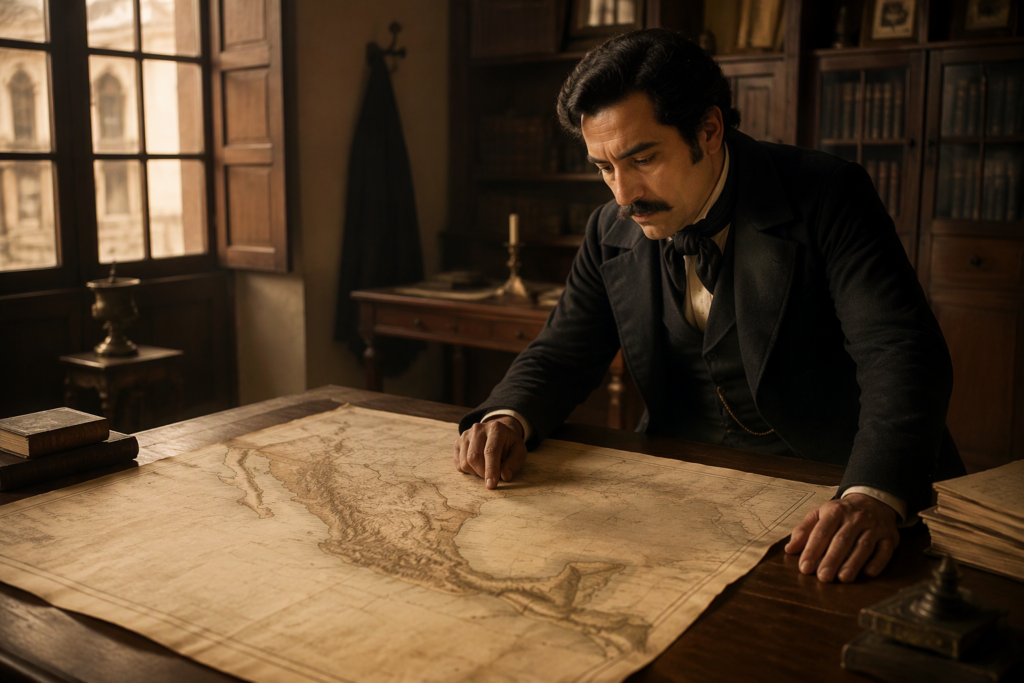
Carlos Chávez, an advocate who spent his life reshaping the map of western Mexico, has died at 72. His decades of work alongside indigenous communities culminated in the return of 65,000 hectares of ancestral territory to the Wixárika people.
The Wixárika people live in remote parts of the Sierra Madre Occidental. For years, they faced invasion of their territories by groups of illegal occupants, particularly cattle ranchers. Chávez joined the struggle of the Wixárika people at the grassroots level. He transformed agrarian law into a weapon to defend their lands.
Also read: El Chapo Isidro Captured in Deadly Mexican Special Forces Raid
His impact went far beyond legal briefs. As one community member remembered, “He woke us up,” describing how the collective struggle restored a community’s confidence to fight for its own borders.
How Carlos Chávez Fought for Wixárika Land Rights
Securing Wixárika land rights required relentless endurance inside Mexico’s agrarian tribunals. Carlos Chávez worked directly with traditional authorities to document historical boundaries, assemble communal records, and file legal challenges against illegal encroachments.
In Mexico, reclaiming ancestral lands can mean high personal and political risks. Disputed lands can divide remote indigenous villages from powerful land holding elites. The laws can protect indigenous people, and with legal victories, indigenous communities can challenge entrenched land interests and reclaim their ancestral heritage.
What Comes Next for the Wixárika Struggle
With the passing of Carlos Chávez, an important leader in the Mexican indigenous movement has passed away. However, the legal and community structures remain in the hands of the Wixárika.
Attention now turns to pending agrarian tribunal rulings and boundary enforcement dates scheduled across Jalisco and Nayarit in the coming months. Wixárika land authorities will manage those legal battles independently as they work to finalize control over every reclaimed hectare.
Source: Mexico News Daily


