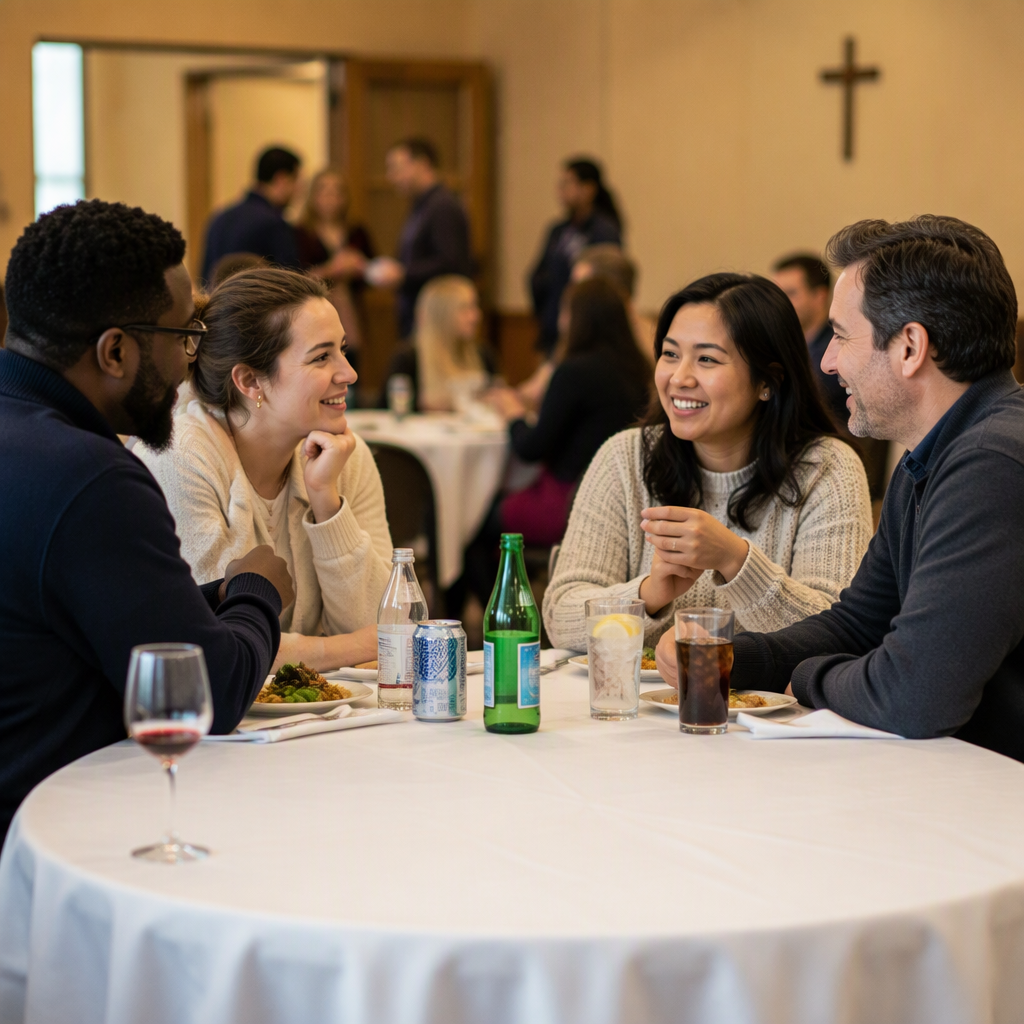

Catholics Ditching Alcohol at Significant Rates, New Survey Reveals
Catholics are ditching alcohol at significant rates across the country, according to newly published survey data that points to a profound cultural transformation within the faith community. The findings document a marked retreat from traditional drinking habits, driven by rising health consciousness, changing social norms, and growing spiritual interest in sober living.
Historically, Catholic culture has maintained a relaxed posture toward moderate drinking, distinct from the strict abstinence traditions associated with several evangelical or Baptist denominations. However, researchers tracking religious demographics and consumer trends report that Catholic adults—particularly young adults and families—are re-evaluating their relationship with alcohol in unprecedented numbers.
Also read: New 123.4-Proof Whiskey Prompts Expert Warning That Stronger Isn’t Always Better
Understanding the Trend: Why Catholics Are Ditching Alcohol
The survey data underscores several converging factors behind the downturn in drinking. Foremost among them is an intentional focus on physical and mental well-being. A substantial majority of respondents who reduced or eliminated alcohol consumption cited physical health, mental clarity, and improved sleep as primary motivations.
Societal movements, including the broader “sober curious” phenomenon, have also gained substantial traction among churchgoers. Rather than viewing sobriety purely through the lens of recovery from dependency, many participants described alcohol-free living as a positive lifestyle choice that fosters deeper personal discipline and mindfulness.
Spiritual reasons also featured prominently in the survey results. Many respondents noted that abstaining from alcohol supported their prayer lives and encouraged greater intentionality during liturgical seasons such as Lent and Advent, often transforming temporary fasts into permanent lifestyle changes.
Generational Divides and Mindful Living
The shift is especially pronounced among younger generations. Millennials and Gen Z Catholics are leading the decline in alcohol intake, reflecting broader demographic surveys that show younger adults drink far less than their predecessors.
Survey responses indicate that younger Catholics frequently question the social necessity of alcohol at casual gatherings, preferring alternative beverages and social environments where drinking is not the focal point. For young parents within the church, setting an example for children and maintaining presence in family life were frequently cited as critical factors in reducing consumption.
Key Drivers Highlighted in the Survey:
- Health and Wellness: Prioritizing longevity, cognitive health, and emotional stability.
- Spiritual Fasting: Extending seasonal commitments into long-term habits.
- Financial Considerations: Cutting discretionary spending amid broader economic pressures.
- Rise of Alternatives: Expanding availability of premium non-alcoholic beers, wines, and mocktails.
Redefining Parish Culture and Community Gatherings
The cultural pivot is already beginning to influence parish life. Church festivals, young adult theology nights, and community fish fries have long featured beer and wine as staple offerings. Yet parish leaders are increasingly adapting their programming to accommodate members who choose not to drink.
Pastoral ministers report higher attendance at community events when high-quality non-alcoholic options are prominently offered. In many dioceses, parish organizers are deliberately crafting inclusive social spaces where fellowship is not intertwined with alcohol consumption.
What Happens Next
As Catholic organizations analyze the survey results, religious leaders and community organizers are expected to expand resources supporting sober fellowship. Ministries dedicated to holistic wellness, mental health advocacy, and addiction recovery are poised to play an increasingly visible role in parish communities.
Industry analysts also anticipate beverage companies and event organizers will continue tailoring offerings to meet the growing demand for non-alcoholic options at religious conferences and faith-based social events.
Ultimately, Catholics ditching alcohol represent more than a passing demographic anomaly; the trend reflects a broader reassessment of wellness, intentionality, and faith in contemporary life.