When the White House moved to stop American artificial intelligence processors from slipping into Beijing’s hands this week, it stripped the pen straight out of Howard Lutnick’s hand. The escalating China chip debate inside Donald Trump’s cabinet burst into the open on Monday after the Treasury Department and the National Security Council bypassed the Commerce Department entirely to impose sweeping export curbs.
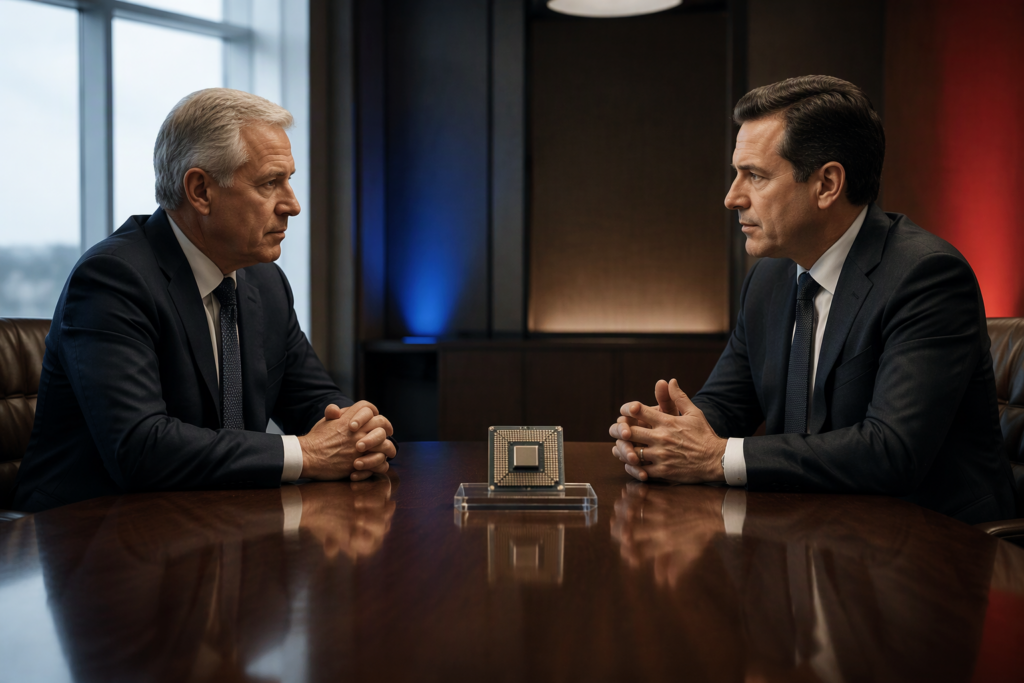
The sudden move sidelines Lutnick, the commerce secretary whose job is to police sensitive technology shipments abroad. Instead, Treasury Secretary Scott Bessent took charge of drafting the new rules, following months of internal fury over allegations that billions of dollars in cutting-edge hardware had been smuggled into China under Commerce’s watch.
Also read: Jesse Watters on Jensen Huang and Nvidia Before Trump-Xi
For American tech companies and global data hubs, the policy shift changes the ground rules overnight. Any facility worldwide running top-tier chips must now get Washington’s explicit permission before renting computing power to Chinese clients, shutting down a legal loophole that allowed Chinese engineers to tap into high-end hardware remotely.
How the China chip debate fractured the cabinet
The feud between Bessent and Lutnick reflects two completely different philosophies on how to handle Beijing. Lutnick, a veteran Wall Street executive, has long argued that cutting off China entirely would only accelerate its domestic technology industry. In July 2025, he defended selling chips to Chinese buyers by arguing that Washington should keep foreign engineers hooked on American systems.
“You want to sell the Chinese enough that their developers get addicted to the American technology stack,” Lutnick said in July 2025.
That stance placed him on a collision course with national security hawks. Trump permitted Nvidia to sell its H200 chips to vetted Chinese buyers in December 2025, taking a 25 percent cut of the revenue for the federal government. But reports soon emerged that restricted processors were still leaking across borders through third-party distributors.
Bessent argued that existing safeguards were plenty strong enough if Commerce actually bothered to enforce them. “We have all the authorities that we need,” Bessent said on Friday. “They just need to be implemented.”
The spy scandal that forced the White House’s hand
The flashpoint behind the clampdown involves an espionage scandal at Nvidia, the company that commands nearly 90 percent of the market for specialized artificial intelligence chips. Jensen Huang resigned as chief executive last week after admitting to an affair with Alice Huang, a former executive at Singapore-based firm Megaspeed whom US officials suspect of working for Chinese intelligence.
Megaspeed spent more than $4.8 billion buying Nvidia processors across a two-year stretch. While the firm claimed the hardware was intended for regional data centers, federal investigators suspect large numbers of those units were diverted straight into China. Megaspeed has denied any wrongdoing, and Beijing dismissed the espionage accusations.
Bessent revealed that four separate federal agencies spent months urging the Commerce Department to place Megaspeed on an official trade blacklist. Lutnick’s team failed to act. “Commerce has the pen,” Bessent told CNBC. “You will have to ask them about their internal processes.”
New walls around five conduit nations
Under the emergency rules rolled out Monday, exporters must secure explicit US licenses before shipping advanced processors to five key intermediary nations: Singapore, Malaysia, Thailand, Indonesia and Brazil. Federal officials identified those countries as the primary transit routes used to channel restricted hardware to buyers in China.
The restrictions drew immediate praise from Capitol Hill hawks who felt Lutnick had dragged his feet. Representative John Moolenaar, who chairs the House Select Committee on China, welcomed the Treasury-led intervention after previously condemning the administration’s decision to permit Nvidia sales.
“Our most advanced AI chips are simply not for sale to our foremost enemy,” Moolenaar said.
Other cabinet members have aligned firmly with Bessent. Secretary of State Marco Rubio warned in May that sharing top-tier hardware risked handing Beijing the tools to surpass American capabilities, while US Trade Representative Jamieson Greer insisted national tech assets must stay among allies. China’s Ministry of Foreign Affairs condemned the actions as economic coercion and promised retaliatory steps.
Trump stays neutral as Capitol Hill demands answers
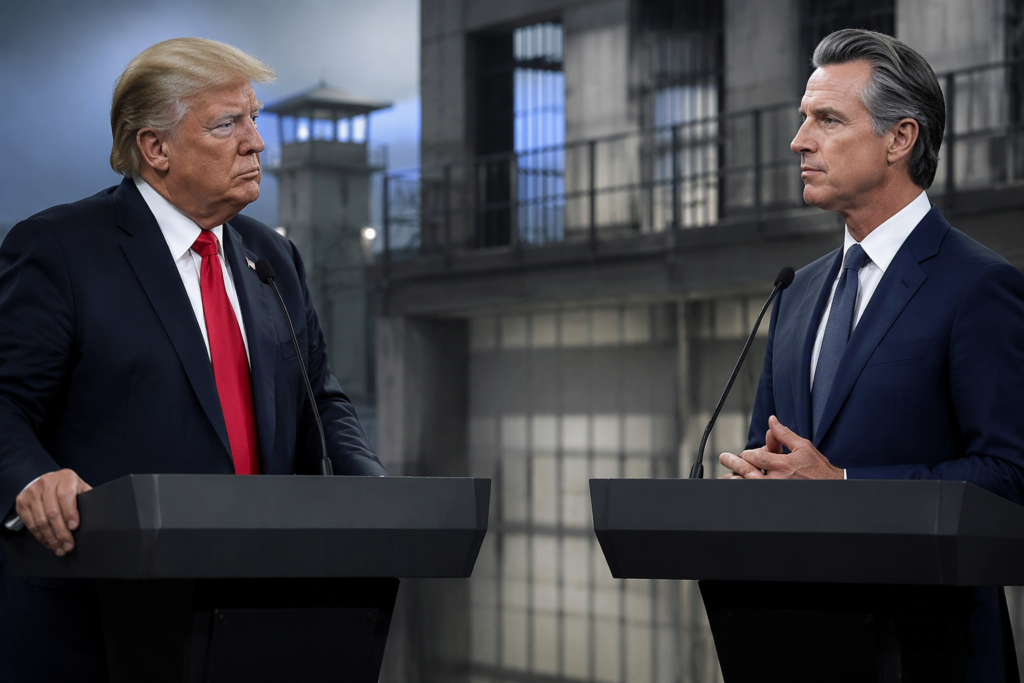
The split has left Trump in an awkward spot between two close allies who previously fought for the top post at Treasury. Trump stood by Lutnick on Monday, brushing off reports that senior aides wanted the commerce secretary removed. He acknowledged the friction openly, describing one camp as wanting to be friendly with Beijing while the other prepares for conflict.
Democrats now smell blood, with Senator Richard Blumenthal calling on Lutnick to resign over national security lapses. The intense China chip debate will reach a public climax on December 3, when both Lutnick and ousted Nvidia boss Jensen Huang appear before the Senate to face formal questioning under oath.
Source: Al Jazeera